Marco Hall Talks about Fashion’s New Normal

Since the proliferation of the COVID-19 virus, the fashion industry has had to cope with a new normal. Some brands are making the transition without a tremendous amount of huff and puff, other fashion brands are not making the grade. Whether online shopping works for a fashion brand or not, one thing is certain, this industry-wide shift was not only unexpected, but is causing undue havoc.

In just the past several weeks, several popular brands and megastore chains have filed for bankruptcy—John Varvatos, JC Penny, Neiman Marcus, J. Crew, Aldo, True Religion, and others. And there are many brands that are closing to filing for Chapter 11.

A significant segment of New Jersey-based fashion designer Marco Hall’s business was his prom dress and bridal party collections. Since most proms on the East Coast have been cancelled, Hall has seen a serious reduction in orders and requests.

Marco Hall spoke with Fashion Reverie about how he is adjusting to a major reduction in business and the fashion industry’s new normal.

FR: What inspired you to become a fashion designer?

Marco Hall: I really wanted to stand out with what I was wearing so I started making clothes for myself and later from some female friends. And that is how it all started.

FR: What is your design aesthetic?

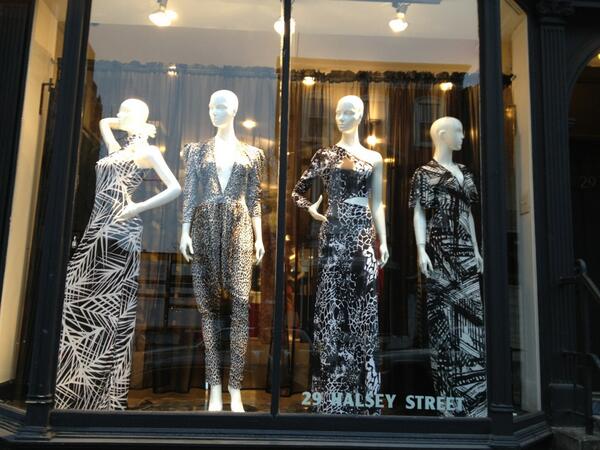
Marco Hall: I describe my design aesthetic as bohemian disco. I love disco, I love the 70s. My garments are easy to wear, but there is still some structure.

FR: Who is your consumer; what is your market?

Marco Hall: Since my boutique has been established, I would say that my customer is the women who are very confident and wants to be noticed. She knows how she wants to dress and knows how she wants to feel.

My male customers, like my female consumers, are very self-assured and knows how he wants to look and feel. His is very much an individual.
FR: What inspires you as a designer?

Marco Hall: I get inspired by lots of things. Sometimes it is the music; sometimes, I am inspired by my friends. My friends have their own identity and that individuality inspires me. I am inspired by how people style their looks; how they mix and match.

FR: Do you follow trends or are collections more organic?

Marco Hall: I let the fabric dictate my designs. The textures and patterns have always given me voice and it has been that way with me for a very long time.

FR: Now, we know that you make a lot of prom dresses. How has this COVID-19 pandemic affected your business?

Marco Hall: The COVID-19 pandemic has brought the prom dress segment of my business to a screeching halt. Most of my client’s proms have been officially cancelled. Now I am looking for new ways to expand my business and supplement the lost income from prom dresses. There is no light at the end of tunnel for the prom dress segment of my business, so I am coming up with innovative initiatives to salvage my business.

FR: Some of your prom dress customers left deposits on their prom dresses. Are some of them asking for deposits back?

Marco Hall: A few have called and asked for deposits back. However, deposits are non-refundable. I have awarded those customers credit for what they order in the future.

FR: Are there going to be any virtual proms that your customers might attend?

Marco Hall: Some are still hopeful. The virtual prom situation depends entirely on the local school boards. The mayor of Newark is trying to figure out some way he can give high school students some type of prom/graduation. But whether that is virtual of some type of limited in-person event, we don’t know yet.

FR: You have also had some issues with bridal ceremonies and parties. Could you elaborate on how COVID-19 has affected that segment of business?

Marco Hall: The last week of March was to be a wedding that I was making garments for the bridal party. Because of the COVID-19 pandemic, that wedding was cancelled. All the garments for that wedding event were already made. So, now those garments are sitting in my boutique and I have no word on when the wedding will be rescheduled. Also, I was making a wedding gown for a wedding in April and that wedding has been cancelled. However, the bride did pick up her gown.
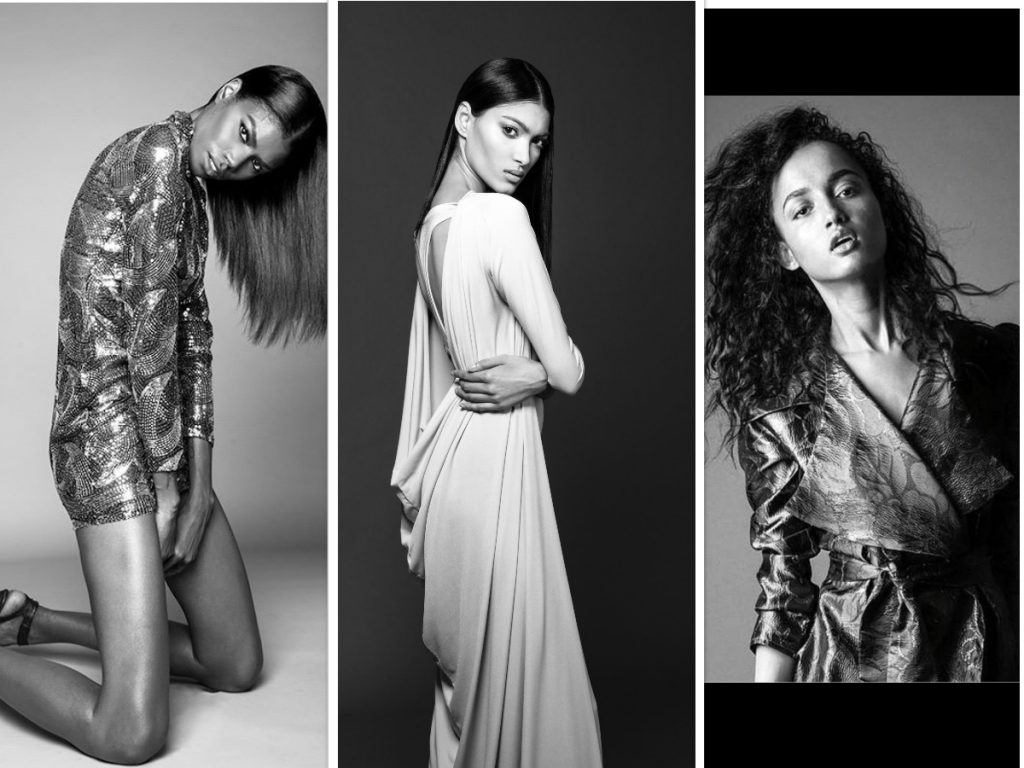
FR: Do you think your business will recover?

Marco Hall: At this point I have been testing out some online ideas and projects. I have been trying to elevate my e-commerce presence. With this pandemic and retail brick-and-mortar stores, for the most part not operational, it appears that shopping online is the way to go.

FR: So how is that going?

Marco Hall: I am attempting to rebrand to myself with my online presence. However, right now it is too early to tell if that will be successful.

For a while, I have put in place a project called “Fashion Fridays.” Where I create a dress and sell it directly online. So, that has been successful and has inspired me to push my online presence even more.

FR: Do you make full fashion collections?

Marco Hall: I do create full collections and I also make made-to-order garments. All of that depends on timing and my personal time. Before COVID-19, my business was doing very well, and I was crunched to fit everything in. I love doing full collections because full collections demonstrate my creative vision and it allows me to get a vision of where my design aesthetic has evolved.

FR: Which fashion weeks have you presented your collections?

Marco Hall: I have presented at a fashion week in six years. It was around that time that I opened by boutique in Newark, and this endeavor has taken up a lot of my time. With the pandemic, my business has slowed down, giving me more time to really plan a solid collection and organize putting a great fashion show together. And, you know, it’s time!!

Images courtesy of Marco Hall

FR: How is the fashion industry coping with this downturn?

Marco Hall: Everyone in the fashion industry is trying to figure how to rebrand and reposition their company. Not every fashion consumer is an online consumer. Most consumers, particularly when it comes to clothes, like to try on the garments and touch and feel the fabric.

This downtime is a real adjustment for the fashion industry. I was watching an online fashion panel and Marc Jacobs was explaining that the fabric for his fall 2020 collection mostly comes from textile factories in Italy. However, with businesses being shut down in Italy, he is concerned about getting his garments manufactured in time for the fall season, which hits the stores in late July. He may not be able to produce his line for the fall because of the COVID-19 pandemic.

FR: Are you having challenges accessing the fabrics that you need for your garments?

Marco Hall: Definitely. Some of the fabric stores are open, but there is a lack of the fabrics I like to use. I love to touch and feel the fabric, but that is not as possible as it used to be. Luckily, I always buy extra fabric, so right now I do have some fabrics to custom make things for some clients.

FR: What’s next for you?

Marco Hall: I am in the process of rebranding my company and trying to figure out how to make this new normal work. This is our new normal and everything has to change.

—William S. Gooch

2020 Flirty, Fun Prom Dresses for Your Virtual Prom

Image courtesy of kapwing.com

It’s a sad month for high school seniors who have spent years looking forward to their high school proms. Rather than sit around and mope about how they didn’t get the proper farewell to their high school years, high school seniors have gotten resourceful and started hosting virtual proms with their friends and classmates.

Though many young ladies are sequestered in their homes with virtual home-schooling, some young ladies are getting prom dresses for virtual prom parties. Most states have begun partial re-openings, but larger gatherings, such as prom, still aren’t permitted. For those of you with virtual proms planned, Fashion Reverie has curated some great prom dresses for you.

And something special is these uncertain times, on Saturday May 16, Teen Vogue will be hosting a virtual prom. Leading up to this historic event, Teen Vogue will be helping you prep for their virtual prom by featuring daily prom-centric content of DIY tips, styling tips, makeup tutorials, and dance prep. Teen Vogue’s special guest on May 16 include Becky G, Stormy Reid, Ava Max, Lily Collins, Madeleine Petsch, Chloe x Hallie, JoJo, and more. The evening will also include DJ sets, interactive choreography, and custom thematic backdrops.

Image courtesy of neimanmarcus.com

Jovani Beaded Metallic Spaghetti-Strap Mermaid Dress $559

This dress is fun, flirty, and flattering for a night at the Zoom prom. This shiny and new spaghetti strap gown gives the mermaid silhouette a fine metallic finish. It has that one-night-only feel worthy of prom.

Image courtesy of macys.com

Betsy & Adam Plus Size Sequined-Lace Ruched Gown $169

For the curvy girls, have your virtual prom in baby blue. This ruched gown well accentuates a curvier figure.

Image courtesy of peachesboutique.com

Sherri Hill A-Line Tulle Dress $698

Give them tulle, tulle, and more tulle! For those looking for a high-low feel (literally), this dress has you covered, except for your legs. The sweeping train also makes for a dramatic effect.

Image courtesy of bloomingdales.com

Eliza J Sleeveless Cascading Ruffle Gown $112.80

This sleeveless cascading gown is a beautiful blush color for those girls who love their fabric details. Be the blushing virtual prom girl in blush pink.

Image courtesy of bloomingdales.com

ML Monique Lhuillier One-Shoulder Metallic Dress $297

Monique Lhuillier had dressed lots of celebrities on the red carpet, now let Monique Lhuillier dress you for prom. The ML Monique Lhuillier diffusion line offers affordable dresses for those who want celebrity style on a budget. Let prom be your chance to feel what it’s like to dress like an Oscar nominee.

Image courtesy of nordstrom.com

Bronx and Banco Aubrey Polka-Dot Halter Neck Party Dress $152

The party doesn’t start until you go live in this polka-dot party dress. While short dresses can be considered risky for prom, with virtual proms what better time to keep your prom dress short and flirty. Keep it pretty in polka dots.

Image courtesy of nordstrom.com

Mac Duggal Velvet Trim Strapless Ball Gown $334.80

Be the bell of the ball in this ball gown. Just because prom is virtual doesn’t mean you shouldn’t have your fairytale moment. It’s like playing a fairytale princess in the comfort of your own home.

Image courtesy of bhldn.com

Norma Kamali Leopard Print Strapless Ruched Midi Dress $294

It’s a jungle out there. Let your fashion sense roar in this leopard print dress from Norma Kamali. The ruched, body-conscious silhouette can also flatter all body types.

Image courtesy of dillards.com

Terani Couture Crystal Bodice Short Sleeve Jersey Gown $292.80

If you weren’t planning on going heavy on the jewelry accessories, you can always bejewel your bodice. This dress is for the girl who likes the glitz and glam. If you want to make a statement, cover yourself in crystal.

Image courtesy of dillards.com

Aidan Mattox Off-The-Shoulder Sweetheart Neck Puff Sleeve Front Slip Scallop Hem Column Gown $440

It is all about the details with this prom dress. Off-the-shoulder bodice, puff sleeves, a scalloped hemline; it’s element upon element to be a dress worth talking about. The jacquard texture also just adds to statement-making status of this dress.

—Kristopher Fraser

For Spring 2020 Burberry Goes Sustainable

If there is one thing that the COVID-19 pandemic makes most evident, it is that we need to reconsider the way we live our lives. For decades ecologists and scientists have been telling us we need to monitor our consumption and that global warming is real.

Many climate activists and earth scientists contend that the COVID-19 novel virus is having such a deleterious effect globally is due to overdevelopment and deforestation. Whether that is an accurate analysis is yet to be seen, but what is most obvious is that we need to re-examine how we consume.

Burberry is the latest global fashion brand to adopt sustainability. Following in the lead of other noted brands—Stella McCartney, Vivienne Westwood, Versace, and Michael Kors—for spring 2020 Burberry launched their ReBurberry Edit collection.

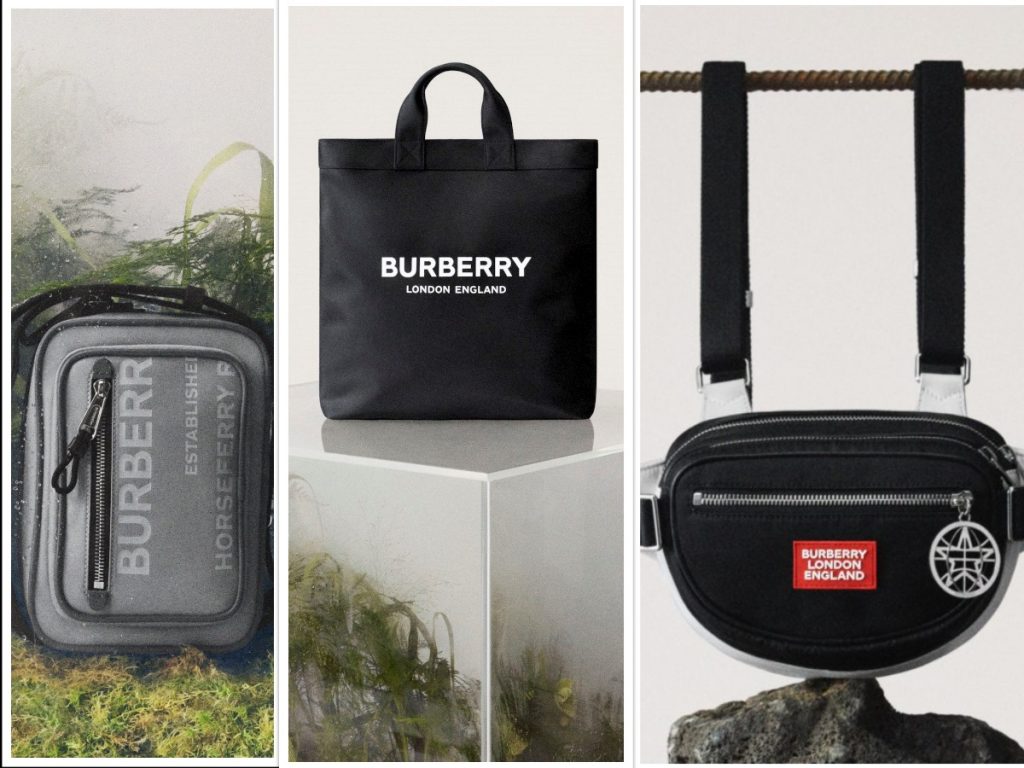
This curated capsule collection has 26 eco-conscious style and is designed to make a positive impact on the planet. In this collection Burberry also puts upcycling to good use by giving regenerated fishing nets, fabric scraps and industrial plastic a new life. ReBurberry Edit collection is also crafted from circular materials and sustainable fabrics.

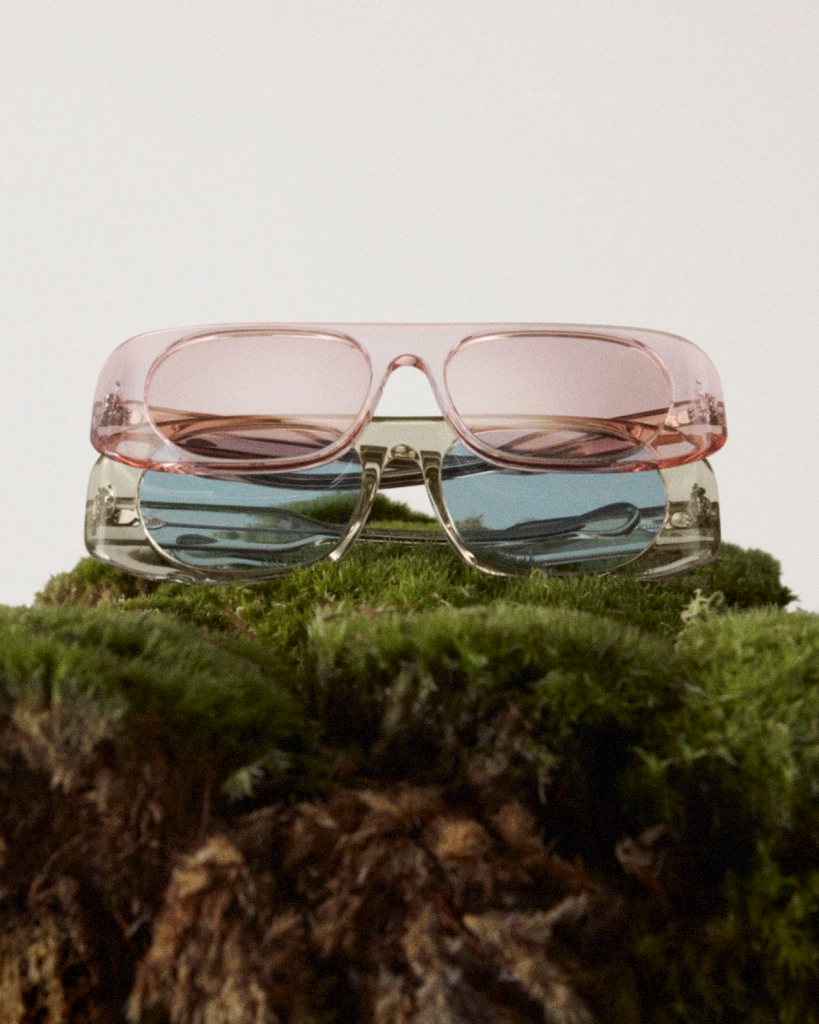
An even more powerful sustainable statement in the ReBurberry Edit collection is Burberry’s special labeling that details how the garment meets sustainability related criteria including recycled fiber content, worker health and wage standards and the use of renewable energy in production. The range spans accessories, such as eyewear and bags as well as apparel including outerwear and separates.

Images courtesy of lesfacons.com

By 2022, Burberry aims to produce all its garments using eco-friendly techniques. “We strongly believe that driving positive change through all of our products at every stage of the value chain is crucial to building a more sustainable future for our whole industry,” said Pam Batty, Burberry’s Vice President of Corporate Responsibility.

—William S. Gooch

For Annabelle Azadé, Sustainable Fashion Is Not Just an Option, It Is the Future

The COVID-19 pandemic is causing all of us to pause and reconsider how we live and how we consume. In just a few months, the environment is demonstrating how much cleaner and less toxic can be if we only slow down and consciously consume. Of course, this retraction is due to COVID-19 required social distancing and sequester. Still, nature is giving modern mankind a wonderful glimpse into what could be.
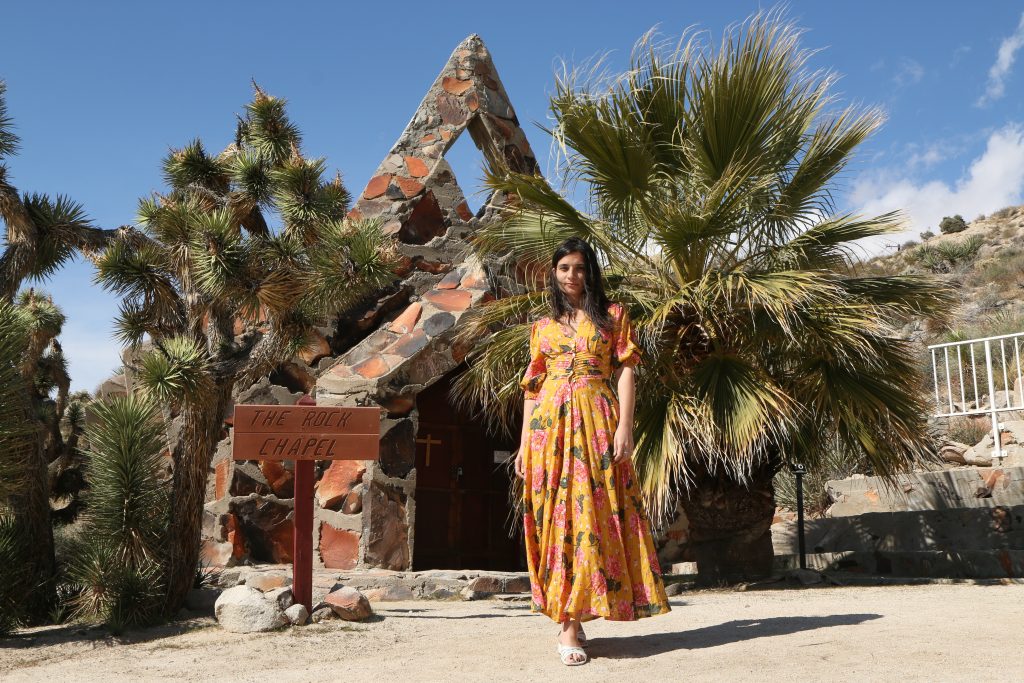
As we re-examine consumer culture, we should also rethink how we affect the global footprint, and how our consumption of fast fashion and non-sustainable products is having a direct effect on climate disaster. We can do so much better. And the solutions are at our fingertips, literally.

Once considered a fashion option for the environmentally conscious consumer, sustainable fashion has moved beyond its conceived image of granola fashion displayed on unflattering silhouettes. Sustainable fashion is now a viable choice, a choice of the present and the future. Just ask Stella McCartney and Vivienne Westwood.

Realizing that sustainable fashion is here to stay, Annabelle Azadé has jumped ahead of curve and launched the fashion e-commerce site, Shop the Future. She graciously spoke with Fashion Reverie about this new venture and why the time is ripe for a new vision of fashion that has meaning and does not hurt the environment.

Fashion Reverie: What inspired you to start this online sustainable fashion e-commerce site?
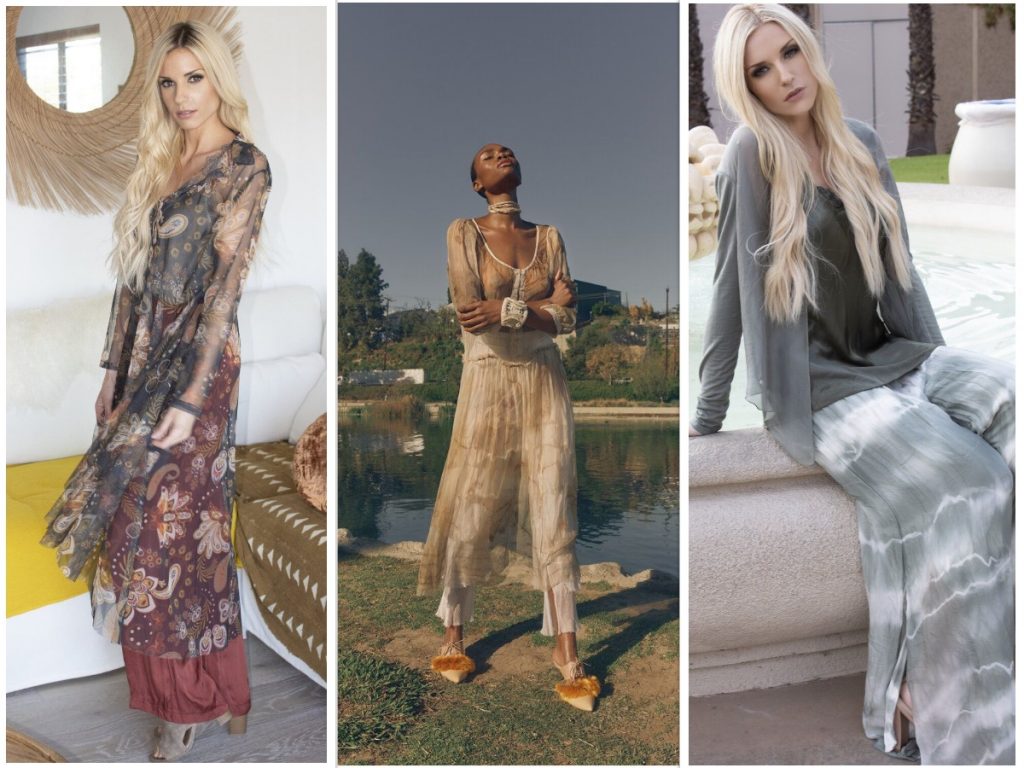
Annabelle Azadé: I have been a fashion journalist for the past 10 years and I had come to the realization that sustainable fashion designers did not have a platform to share their vision of their collections. With the COVID-19 pandemic it has been so important that the fashion industry supports local designers that are sourcing textiles locally and using homegrown manufacturing. This pandemic is bringing to the forefront the absolute necessity of sustainable resources and how cutting down on the global footprint can no longer be something we are aiming for. It is a must-do right now!!

There are many techniques that are used in the couture world that are slowly disappearing only because avant-garde are simply not interested in these techniques anymore or some these techniques are too expensive. As a fashion journalist it was important for me to start a project that gathered the qualities of some of the lost couture techniques.

I decided to launch the “Shop the Future” e-commerce site because many sustainable fashion designers/brands are struggling because of the COVID-19 pandemic—this struggle proceeded the current pandemic. Some of them are in small boutiques and stores around the country, but with many major US cities shutting down, if something is not done, these sustainable fashion designers will go out of business. Many of these designers create made-to-order garments where it is important to touch the fabric and try on garments, but at this time, that is not possible.

Many sustainable fashion designers expressed to me their situation and how they needed a platform to sell their collections. From these conversations I decided to launch Shop the Future.

FR: So, talk about all the services you offer at Shop the Future.

Annabelle Azadé: Shop the Future offers ready-to-wear, accessories, and loungewear because a lot of people are working from home. We also offer marketing and public relations, strategy, and fashion show production. (We presented at New York Fashion Week (NYFW) spring 2020 season, and hopefully we will be presenting again for NYFW spring 2021 season.)

Unfortunately, most emerging designers and particularly emerging sustainable designers do not have the budget for seasonal presentations, good PR, marketing and strategy, so with Shop the Future we provide all those services, if wanted, under one umbrella. It is very important to me when I am working with a new sustainable brand to offer them Shop the Future’s options.

We can also help sustainable brand have access to conferences, speak on fashion panels, as well as present networking opportunities. Lastly, we offer VIP placements, and press credibility strategies. I have teams in New York, Los Angeles, San Francisco, and Mexico City.

Gigi Moda Spring 2020

FR: Why do you think sustainable fashion is so important now?

Annabelle Azadé: The moment is right for a conversion to a sustainable lifestyle, and we are all going to have to reconsider how we consume and that includes fashion. In the Western world there are things like food, transportation, education, healthcare that are all going to have to shift to a sustainable model.

The retail industry is experiencing a major crash in the US. Over 250,000 stores have shut down in the past three weeks and many stores chains will likely start bankruptcy proceedings. Macy’s, TJ Maxx, Marshall’s, Sears, JC Penny’s, and Nordstrom’s are all struggling.

That said; this pandemic is causing us all to reflect on how we consume and live our lives, so the time is ripe for sustainable fashion. And as we are all in a state of reflection, we will consider how we shop, how garments are produced, and that trajectory will lead consumers to sustainable fashion. Remember, locally made garments and textiles cut down on the global footprint. The garments may be a bit more expensive, but the garments are a better quality and consumers are helping to cut down on carbon emission.

Tara Lalic Spring 2020

FR: Is the fashion industry coming on-board with sustainability, and if so, why?

Annabelle Azadé: First, let’s start with a process that a lot of sustainable fashion designers are using called upcycling. Upcycling starts with the premise of creating garments from fabric that has been used before, like buying used garments and using the fabric from that garment to make a new garment. Creating something out of something that already existed is not a new concept. Jean-Paul Gaultier upcycled throughout his entire career, so did lots of couturiers. For the most part, upcycling was used in the couture market.

Fast fashion, which is employed by retailers that sell very inexpensive garments, don’t employ upcycling, and they are harming the environment by always having a need for brand new textiles, using toxic dyes that pollute the water in Central and Southeast Asia where most fast fashion is made. Despite the knowledge of how fast fashion hurts the environment, many US mainstream brands are not supporting or incorporating sustainable fashion. Some say they are, but it is mostly lip service. That said, there is support for sustainable fashion from the CFDA and NYFW, but that support as of now is not making much of an impact.

Europe is a different story. Five years ago, Vivienne Westwood was embracing sustainable fashion and using that concept in her collections. And now Stella McCartney has come on board. To add to that, Zandra Rhodes was employing sustainability 40 years ago.

Host & Var Spring 2020

FR: How do pick your designers/brands, what is the criteria?

Annabelle Azadé: My choices are connected to brands I would wear myself. I know that if I am going to represent these sustainable brands the clothes need to be appealing to consumers and wearable.

All the brands that I represent have a social purpose. Many local artisans that last their jobs during the 2008 economic crisis have great knowledge culled from previous generations. So, many of the sustainable brands that I represent employ local artisans which gives their brands a remarkable story, facilitating these brands to give back to local economies. I want to invest in people that are investing in people.

FR: Who is your consumer?

Annabelle Azadé: My consumer base is mostly female, highly educated, international travelers. They usually speak several languages and they are very interested in high fashion. They are also looking for a brand that their friends and colleagues don’t have in their wardrobe. My consumer likes standing out in a crowd and loves being the first to discover a fashion brand.

FR: Who are your team of experts?

Annabelle Azadé: I am a part of San Francisco’s Bloomingdales Fashion Incubator. I have a celebrity stylist based out of New York City that is a part of my team of experts. I have an expert based out of Mexico, who is a fashion journalist, so she knows lot of about Latin American fashion. She also partners with a very large institution in Latin America, Mola Univerto, which gathers together all the Latin American sustainable designers. Latin American artisans create incredible embroideries, and each country has a different technique based on indigenous cultures.

In Los Angeles I have two assistants, and one assistant in San Francisco. I have also surrounded myself with a host of partners like Mola Univerto, Role Model Management, and others.

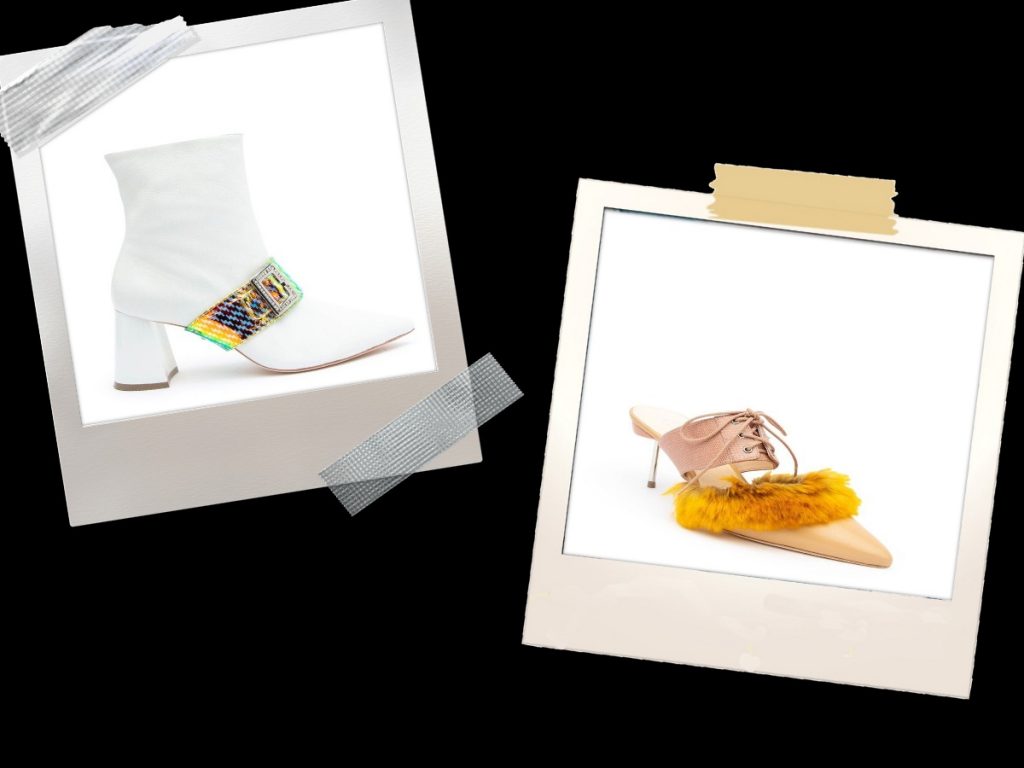
Alterre Footwear. Images courtesy of Annabelle Azadé

FR: What’s next for Shop the Future?
Annabelle Azadé: I want Shop the Future to become the biggest US sustainable marketplace. We want to expand the sustainable market. We also want to produce more live events, so that designers can show their collections live, in real time; nothing can replace that.

—William S. Gooch


Camerone Parker: Turning Lemons into Limoncello and Champagne

Image courtesy of Robert Kazandijan

Lights, Camera, Action!! You have heard and seen it before, and it all seems so glamorous. And for the most part, a fashion model’s life can be glamorous. But not everything that glistens is gold. And there is always a backstory.

Supermodel Camerone Parker’s backstory was her health challenges. After many years of being a go-to model for iconic fashion brands, Camerone Parker’s fork in the road was a multiple sclerosis (MS) diagnosis.

What initially seemed like a death sentence, Camerone Parker has turned into an opportunity to inspire, give back, and change the face of MS. And she’s never stopped working as a fashion model.

Camerone talks about her incredible journey and how she has triumphed against the odds in this Fashion Reverie interview. Can anyone say feature film, or at the very least, Lifetime Movie? Enjoy!!

Images courtesy of Anderson Group PR

Fashion Reverie: Let’s start with how you started modeling?

Camerone Parker: I started modeling by accident. I had just returned from Paris where I had completed getting my master’s degree at the Sorbonne. I happened to be shopping with my mother in Century City, Los Angeles and I kept noticing this man spying me. The guy approached me and asked me if I had ever thought about modeling. I took his business card, but I really didn’t take him seriously because modeling and fashion were not on my radar.

I finally called the guy a week later and found out that the guy who scouted me was John Casablanca of Elite Models. All this was a shock to me because I didn’t think that I looked like a model. I was a very edgy-looking kind of girl and my concentration at that time had been on academics, not my looks.

John Casablanca later sat down with me and my parents and explained everything to them. And mother really thought that John Casablanca was a pimp and was recruiting me to me a high-end call girl.

FR: Now, this was before the big phenomenon of the supermodels. So, you and your parents were not educated about fashion.

Camerone Parker: Correct. I was product of the 1980s and loved clothes. I was very trendy, but never saw myself as a model type. I think that was because I sprouted in height late in life, I grew 4.5 inches in college which put me at about 5`8.5, still on the short side for a model. But I had long legs and looked taller.

Anyway, John Casablanca had text shots done for me and sent me immediately to Europe. While I was in Europe I really immersed myself in the fashion industry. I learned the craft of modeling and began to learn and understand fabrics and how certain fabrics moved when you walked on the runway.

If I was on a set, I would learn everyone’s name so I could address them directly. I would send out thank you notes to everyone on a shoot or at a runway show. I was never late, always at least 15 minutes early. And I left any emotional drama at the door. I keep my ears and eyes opened and was always learning. All these things served me well.

When I left Elite Models and moved over to Ford Models, my bookers really pushed me over to the Asian and Middle East markets. At the time, I was a commodity because I have very fair skin and big blue eyes and became quite successful in those markets. I made a mark for myself as one of Ford Agency’s first classic models.

Image courtesy of Anderson Group PR

FR: Could you explain what the classic model category is?

Camerone Parker: Classic model refers to an age demographic. It is not about a look or certain features. Classic models are usually 40 and up.

The Ford Agency, Wilhelmina, and a few other modeling agencies in Europe were noticing in the mid-90s that there was a market for more seasoned, older models. Now, you couldn’t talk about your age at that time, but designers and fashion industry professionals knew that you were using an older model.

FR: Why did you leave Elite and go to the Ford Agency?

Camerone Parker: Toward the end of my time at Elite, I was the oldest model on the roster and John Casablanca didn’t have any work for me. So, I left and there were no hard feelings. My intention when I left was to use my education—I did have a master’s degree from the Sorbonne. I had had a successful modeling career in my 20s; I had just aged out. However, Katie Ford contacted me and wanted me to sign on to the classic division at the Ford Agency, and so I moved over to the Ford Agency.

In the beginning there were just a few classic models at the Ford Agency, and at that time when a classic model was put in a runway show, they were always in the middle of the line-up. Ralph Lauren and Banana Republic helped expand classic models’ opportunities by being some of the first fashion brands to use us in national and global campaigns.

FR: Could you talk about some of the iconic brands you worked for?

Camerone Parker: I had a big billboard for Ralph Lauren Polo. I also worked with Giorgio Armani a lot. My work with Armani was pushing the boundaries of gender fluidity because I was in a man’s suit for this black and white sepia ad campaign. I have also walked for Badgley Mischka, Vera Wang, Armani, and so many other brands.

Image courtesy of Anderson Group PR

FR: Who were some of your favorite fashion designers/brands to work for, and why?

Camerone Parker: If a model is chosen as a muse for a designer that is the highlight of one’s career. And I have been lucky enough to be a muse to three designers.

When you are muse to a designer/brand, you are the inspiration for the collections. The designer could design an entire collection with you in mind. There is no greater honor than inspiring a designer’s collection. All three designers where I have worked as their muse are so different in point of view and aesthetic.

I have served as muse to Johnsun Silks. They created beautiful hand-painted silks and a design line for Crystal Cruises. I have also been a muse for Bert Keeter—he designed for Halston and he appeared on “Project Runway.” And lastly, there is Peach Carr who was also on “Project Runway.” I closed her show on “Project Runway.”

FR: Now, you were diagnosed with relapse-remitting multiple sclerosis (RRMS) in 1998. Could you talk a little about that?

Camerone Parker: MY RRMS diagnosis happened in an interesting way. I was on an assignment in Los Angeles and within the first hours of the shoot everything was shut down because everyone got profoundly sick. We had all contracted some form of meningitis.

I was in the hospital for a few weeks, and I had to have injections in my spinal cord, which is extremely painful. The neurologist that was assigned to my case noticed some strange things showing up and after a range of test, my doctor informed me that I had multiple sclerosis (MS). I had been experiencing lots of symptoms in the past, but I ignored the symptoms of fatigue, numbness in my feet, and other symptoms which I contributed to all the hard work of being an in-demand model.

My doctor informed me that MS is a chronic condition and that the cost of the drugs that he was prescribing was going to run about $65,000 a year. I was devastated because like most fashion models, I had no health insurance. For the most part, fashion models are independent contractors.

At the time, I felt I had been given a death sentence. I knew that if the fashion industry knew I had MS, no one would hire me because with MS I was a huge health risk.

I told my family all that was going on and they were incredibly supportive. I met with my neurologist again and he came up with a plan for me. Since I had RRMS, the goal was to keep me as in a remission state as much as possible. And I knew I was going to have keep modeling so I could afford my treatment.

Image courtesy of Anderson Group PR

FR: Could you explain RRMS and how it is different from some other forms of MS?

Camerone Parker: There are three primary forms of MS which are relapsed remitting, secondary progressive, and primary progressive. RRMS waxes and wanes and you don’t know when you are going to come out of remission or relapse. One day I am able to walk in heels and feel and the next day I can hardly move. There is no explanation why that happens with RRMS.

When people look at me, they don’t think I have MS because I am not walking with a cane or look disabled. But tell me, what does MS look like? However, I have had four surgeries on my eyes because I have MS-related cataract. Most people don’t know that after a red-carpet event it could take me four hours to get out of my gown or I need assistance to do that.

FR: How did this affect your modeling career?

Camerone Parker: All in all, I had to keep my MS diagnosis a big secret. I think I had one of the biggest secrets in the fashion industry. My doctor had arranged for me to have my intravenous MS treatment in the US cities that I was working in. I had to sneak out of hotels late at night and go to hospitals and get this infusion treatment without anyone seeing me. I got good at this clandestine lifestyle. A few times I almost got caught by the crew I was working with. (They thought I was sneaking out for a sexual rendezvous.)

And remember, I had to keep working to be able to afford treatment. I had to be very careful about the kinds of modeling jobs I accepted. And this is where having a good education came into play. I had to negotiate fees so that I got top dollar for the work I was doing. My Ralph Lauren ad and Armani ad paid for a lot of my treatment because the residual payback was very good. Both of those campaigns ran for over two years.

I learned to brand myself so that I could garner better jobs and make more money. The good thing is that I was very fortunate and didn’t have borrow any money from my parents to pay for my lifestyle or my medical expenses. My medical care comes to over six figures.

Image courtesy of Anderson Group PR

FR: Right after NYFW spring 2020 season, you became critically ill. Could you talk about that?

Camerone Parker: I had come to New York City and made appearances at some fashion shows and very soon had a widow maker’s heart attack. That first heart attack was followed four weeks later with another heart attack. Two out of five women in the US with MS will die from a heart attack.

FR: How is your health now?

Camerone Parker: I was well enough to go the Screen Actors Guild Awards this season. However, I have been in quarantine since March 4 because of the COVID-19 virus. My doctors have been in contact with me 24/7 and I am sequestered in my Sedona, CA home with my husband. My husband is a surgeon and he is not seeing patients for fear of bringing the COVID-19 virus home to me.

Image courtesy of Anderson Group PR

I have these terrific masks that have an urban street vibe from fashion designer Victor Herrera. I do have a sense of gratitude and I make gratitude notes every day and that keeps me sane. I will never stop researching and working for others. My team is still getting paid in spite of the COVID-19 lockdown.

FR: Let’s talk about your philanthropy and fundraising.

My faith has seen me through this, and I promised God that if he would help me get through this disease I would give back to others in need. I do a lot of public speaking and I donate all speaker fees to MS organizations. If there is an MS fundraiser, I don’t charge a fee and I pay for my own travel and team’s expenses. That way, the charity gets all the money. In the last seven events that I was involved in, I have raised 1.1 million dollars.

I want to change the way that people look at MS. When I was first diagnosed with RRMS there were only four drug treatments, now there are 17. I have been talking with my manager and PR team about changing what MS looks like. I believe that you, “give up or get up.” And I am up every day.

FR: You are a fighter and a triumphant survivor, what would you want readers to learn from your experiences?

Camerone Parker: My advice is to never, ever give up. You may be having the hardest crawl of your life; however, you must crawl before you get up. Everybody experiences rainclouds, but behind the rainclouds are sunbeams.

I would also advise to surround yourself with positive people. Remember, as long as you try, there is a big possibility that your circumstances will change. When you don’t try, there is no opportunity.

All image courtesy of Robert Kazandijan

FR: What’s next for you?  

Camerone Parker: What’s next for anyone now? I do have a couple of exciting, unique projects coming up. I have several speaking engagements this fall, if they are not cancelled. I am being presented with the Richard Pryor Humanitarian Award at Walk Against MS in the fall. And I am working on my book. The working title is “The Model Patient.”

—William S. Gooch

Fashionable Face Masks for Your Health and Wellness

Image courtesy of tribune.com

COVID-19 has made relevant a safety trend that was already a standard in Asia: personal protection face mask. Personal protection face masks began becoming part of Asians’ daily lives due to extreme pollution and ensuing health crises. However, in the wake of the novel coronavirus pandemic, international fashion designers have turned safety masks from personal protection equipment into a fashionably stylish, protective accessory. If you need to know where to buy your face masks, Fashion Reverie has you covered, literally!!

Image courtesy of Johnny Was

Johnny Was

Johnny Was has launched a one-for-one program, donating a free mask to hospitals and charities for every purchased mask. To date, they have already donated over 10,000 masks. Their shoppable masks feature floral designs—we know, we know, florals for spring, groundbreaking. The masks are made from 100 percent repurposed fabrics and prints, in the spirit of the sustainable fashion movement. Materials include washable silk on the exterior and cotton on the interior.

Image courtesy of Shakatime Hawaii

Shakatime Hawaii

 Shakatime Hawaii island collection fashion cloth masks are 100% cotton fabric, lightweight and breathable. You can wash and re-use them, and some are reversible. One size fits comfortably because of the side elastics and are available in different colors and designs.

Image courtesy of Victor Herrera

Victor Herrera

Artist Victor Herrera, known for his playful cartoon images, is using creative verve to create a special series of masks. For consumers who have always wanted one of Herrera’s prints, you can now get them at an affordable price. You can literally wear his art on your face.

Image courtesy of CLD Style House

Winnie Couture

Winnie Couture has launched a series of face masks for brides and grooms, a great choice for those getting married post-COVID-19 quarantine. In addition, Winnie Couture is also donating masks to those healthcare professionals working on the frontlines and those in senior-living communities.

Image courtesy of Chic Execs

Giftgowns

Giftgowns has added to the many stylish ways to cover your face with face masks that complement their hospital gown offerings. The brand is no stranger to designing great medical equipment, so this was right in their wheelhouse.

Image courtesy of Mannfolk PR

Maceoo

Maceoo has launched a one-for-one mask program. For every mask bought, Maceoo donates a mask to those in need. Maceoo’s face masks, purchasable on their website, are reversible and made from Italian fabrics. With summer coming, the moisture wicking capabilities of these will also help stave off perspiration.

Image courtesy of wfft.com

Vera Bradley

Vera Bradley is currently working with their global supply chain to source medical-grade face masks for frontline healthcare workers, and the brand has also partnered with local health officials to provide masks as quickly as possible. The VB Healthcare Collection, which is typically sold at specialty retailers, is now available at verabradley.com, and includes the brand’s colorful patterned face masks. Healthcare professionals even get a discounted rate.

—Kristopher Fraser


New York International Bridal Week Spring 2021 Pre-coverage

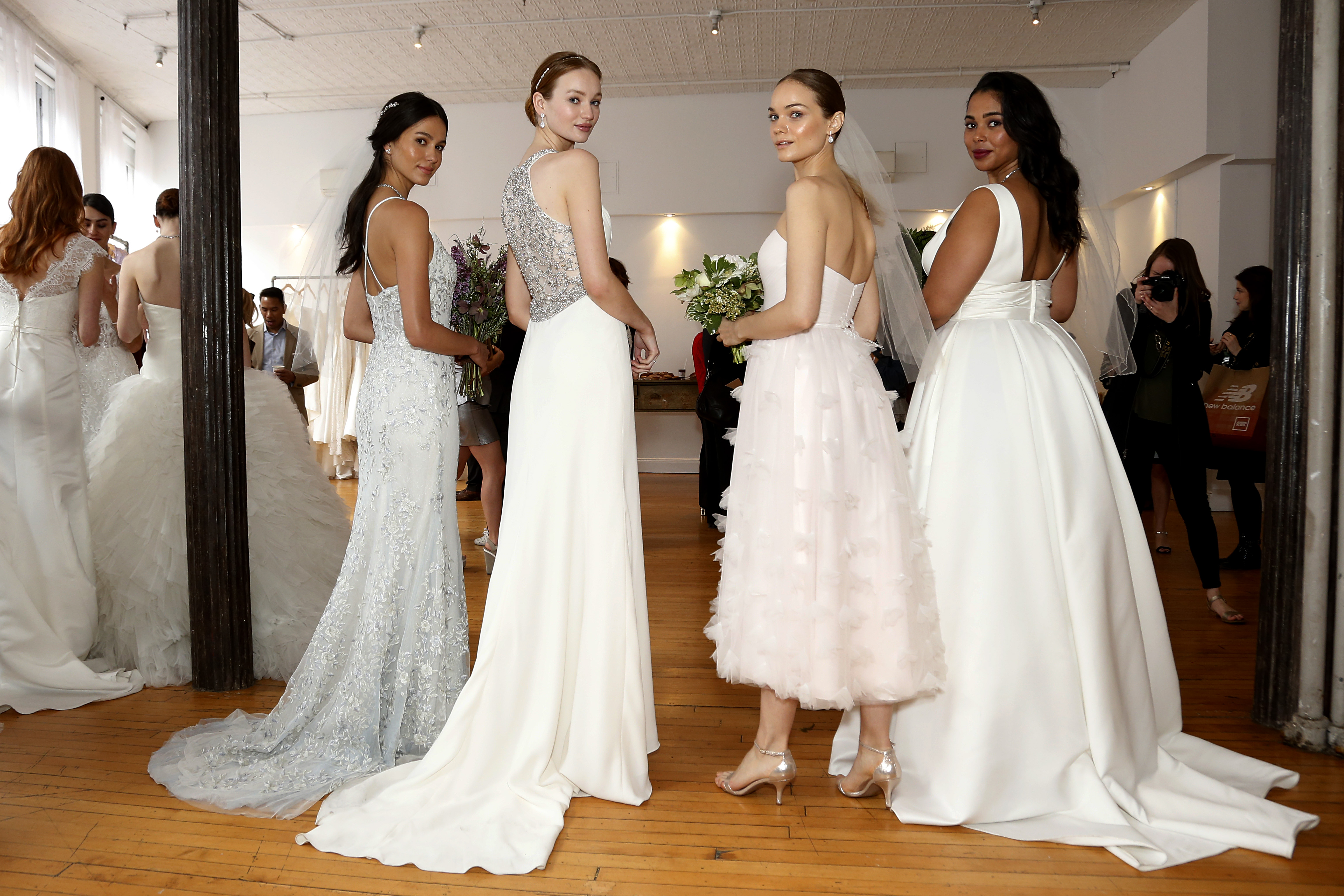
Image courtesy of arabiaweddings.com

It should come as no surprise that fashion weeks as we once knew them will probably take on a new meaning and direction. We can look to the coronavirus for this re-evaluation. And since the COVID-19 (novel coronavirus) may be make a reappearance in the fall—and other just viruses may be on the horizon—the fashion industry is taking a long, hard look at how fashion designers/brands will present their new collections to the industry and the public.

New York International Bridal Week spring 2120 will be the first test of this new direction. Officially cancelled by the Bridal Council and the CFDA, Bridal Week will be the first fashion week to test our digital presentations. New York International Bridal was to take place April 16 through April 19.

To offset this cancellation due to the COVID-19 pandemic, the Bridal Council that the April bridal market will be held digitally. The Bridal Council has asked bridal brands to present to media and a few consumers via ZOOM technology with a small coterie models wearing the latest collections.

Will this be successful? Hmm, the verdict is still out!! However, with many employed global citizens working from home, this may be the way of the future.

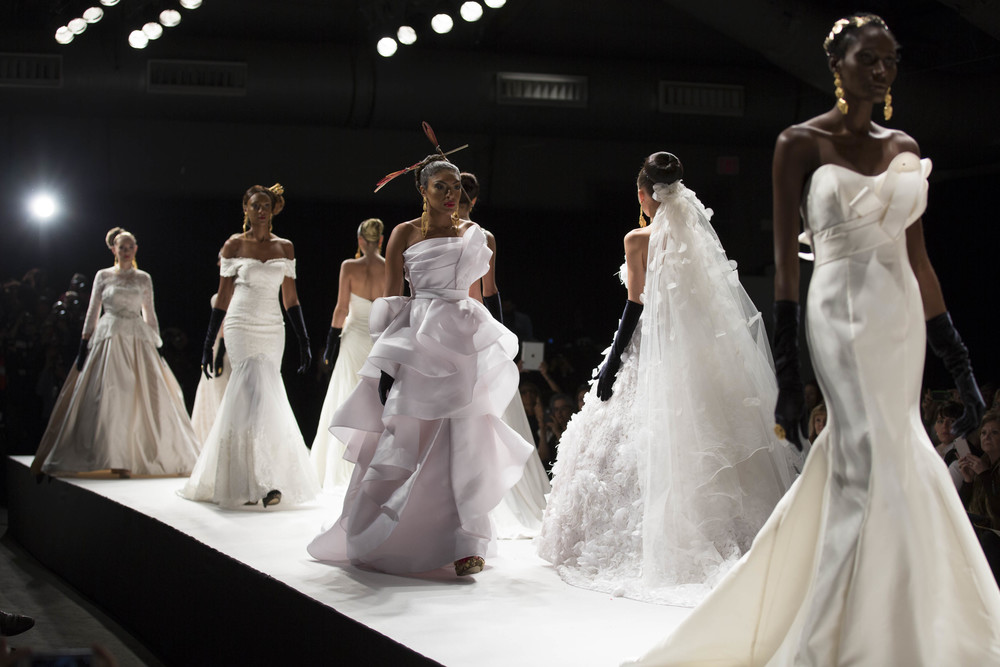
Mandatory Credit: Photo by George Chinsee/WWD/REX/Shutterstock (8613721z)
Models
David’s Bridal, Spring 2018, Bridal Fashion Week, New York, USA – 19 Apr 2017

Still, its kind of sad that it has come to this. Digital presentations will never duplicate the aww and glory of Ines di Santo’s live bridal collections.

Like a tree, the fashion industry will have to bend. But we still don’t have to like it!!

—William S. Gooch

Fashion Reverie’s Spring 2020 Ladies’ Fragrance Guide

“Florals for spring? Groundbreaking.” Or goes the famous quip from the Miranda Priestly character in “The Devil Wears Prada.”

With all due respect to Miranda, with the Met Gala for this year having been postponed indefinitely, florals for spring sounds like heaven. Trapped in our homes for least another two months—fingers crossed, we can all leave the house soon — we are all looking for ways to calm ourselves and find hope.  Scent in the sense is most strongly tied to mood. Why not self-comfort by indulging in these new fragrances for spring?

Image courtesy of beautylish.com

Rose Prick by Tom Ford

Not one to shy away from the spotlight, Tom Ford is debuting his new perfume this spring and of course he had to give it an outrageously provocative title! With a retail of $335, this is definitely the most extravagant scent on this list. A wild bouquet of rose de mai, Turkish rose and Bulgarian rose with sharp and pristine notes. A rose by any other name wouldn’t be Tom Ford. 

Image courtesy of Sue Fisher King

Eau Capitale by Diptyque

Eau Capitale is an homage to Diptyque’s hometown, described as “defiant and free,” it’s a fragrance intended to celebrate Paris. Eau Capitale’s composition includes notes of bergamot, pink peppercorns, rose, ylang ylang, cinnamon, and patchouli. It was developed for Diptyque by perfumer Olivier Pescheux.

Image courtesy of Maison Margiela Fragrances

Springtime in the Park by Replica

Creating some amazing unisex scents, we can all be thankful that Maison Margiela has released another winning fragrance. While we are stuck in our homes—please stay home!—we can imagine a leisurely stroll through the park with this delightful scent that captures the gentle light and fresh floral atmosphere of a nice romantic spring afternoon at the park.

Image courtesy of bloomingdales.com

Rose Goldea Eau de Parfum by Bulgari

Dreaming of a romantic night spent walking in the park under the stars surrounded by blooming flowers? Bring the romance home with this new fragrance by Bulgari in an Instagram worthy bottle.  A passionate combination of radiant rose and sophisticated musks create a blend that stimulates romance. The sleek bottle was inspired by Bulgari’s iconic Serpenti design.

Image courtesy of sephora.com

Miss Dior Rose N Roses by Dior

Grasse, a city in the south of France, is generally considered to produce the highest quality rose absolute, and Dior’s sustainable sourcing and organic agriculture—using zero pesticides —is testament to their demand for high quality. This refreshingly strong, but light and not too sweet scent is like walking through a rose garden. 

Image courtesy of fragrantica.com

Sunkissed Hibiscus by Nest 

Dreaming of tropical vacations and trips to the islands? This radiant solar floral eau de parfum blends warm golden amber with layers of classic white florals and frangipani, a tropical floral with a creamy coconut accord. Get out the blender, it’s time for a Pina Colada, but don’t get lost in the rain. Stay indoors. 

Image courtesy of dexterclearance.com

Brainiac by Good Chemistry from Target

It’s barely a year old, but Good Chemistry available through Target is a hugely popular option for affordable quality fragrances. Paraben free, cruelty free, and vegan, these scents are created with essential oils rather than harsh chemicals.  Fashion Reverie recommends Brainiac, retailing for $24.99 for 1.7 oz, this is a refreshing blend of peppercorn, vanilla, and citrus. 

Image courtesy of urbanoutfittiers.com

Le Beach by Gourmand – Urban Outfitters

Coming in at $18 a bottle, this isn’t the first time Fashion Reverie has recommended this brand. Check out their most recent scent Le Beach with its complex blend of aromas while we are stuck at home let this reasonably priced brand remind you of future days when we return to the beach.

—Cameron Rose

Sustainable Fashion Is Beginning to Rule the Day

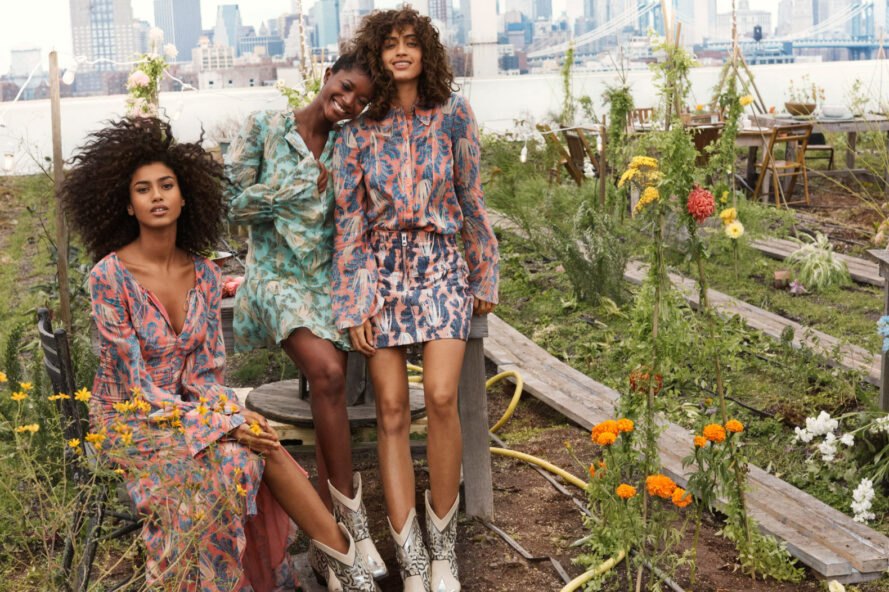
Image courtesy of H&M

The world is becoming a CRAZY place. Amidst our ongoing public health crisis, the planet isn’t getting any healthier.  As humans we require resources, but as guests on this planet we need to be courteous. Clothing production can be very harmful to the planet. The fashion industry literally kills farmers and workers due to exposure to dangerous chemicals and toxic waste.  

Thankfully, more companies are becoming ecologically minded and utilizing more earth-friendly production methods, including low impact dying, up cycling natural materials, and growing organic pesticide-free cotton. Check out these companies for some sustainable fashion.  Bonus, these brands can be purchased online, so no need to venture out!

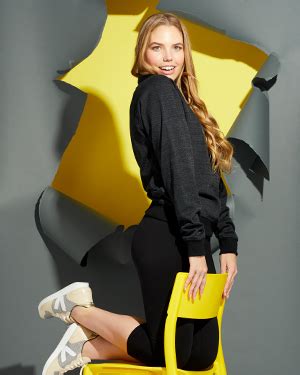
Image courtesy of Wear Pact

Wear Pact 

Based in Boulder, Colorado, Pact is quickly becoming known as a standout in sustainable and ethical fashion. This company’s eco-friendly organic cotton and uses close to 95% less water to process than traditional cotton and doesn’t require toxic chemicals to achieve softness.  Available at a low cost point, the company is known for its line of underwear engineered for long term comfort. 

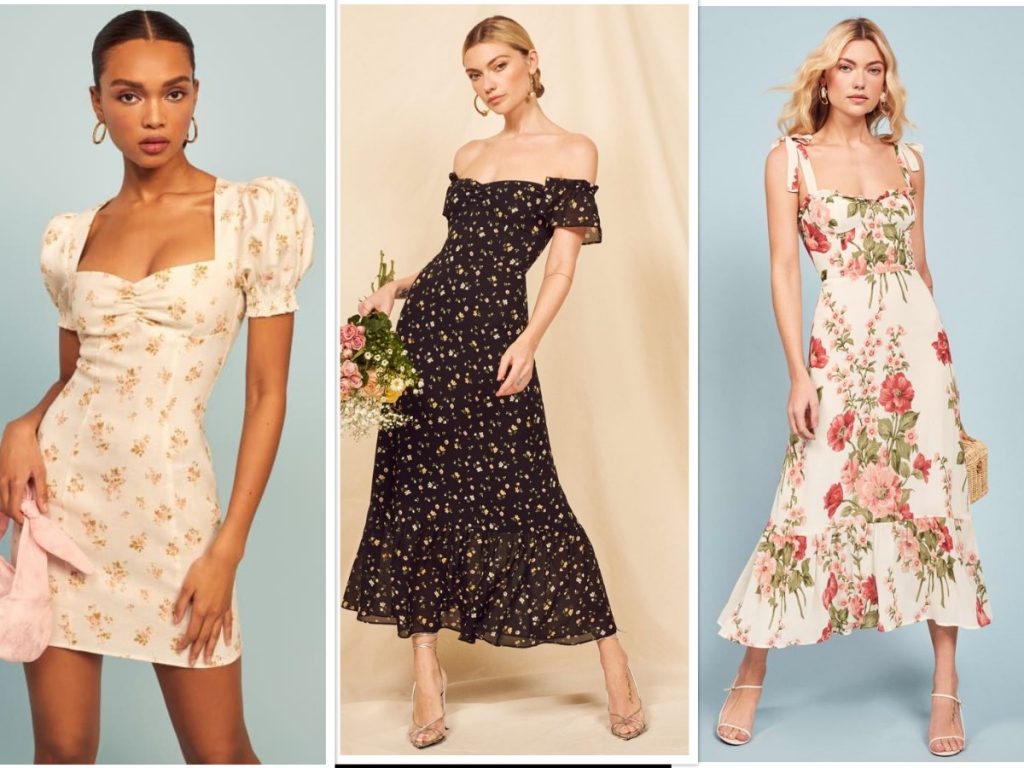
Images courtesy of The Reformation

The Reformation

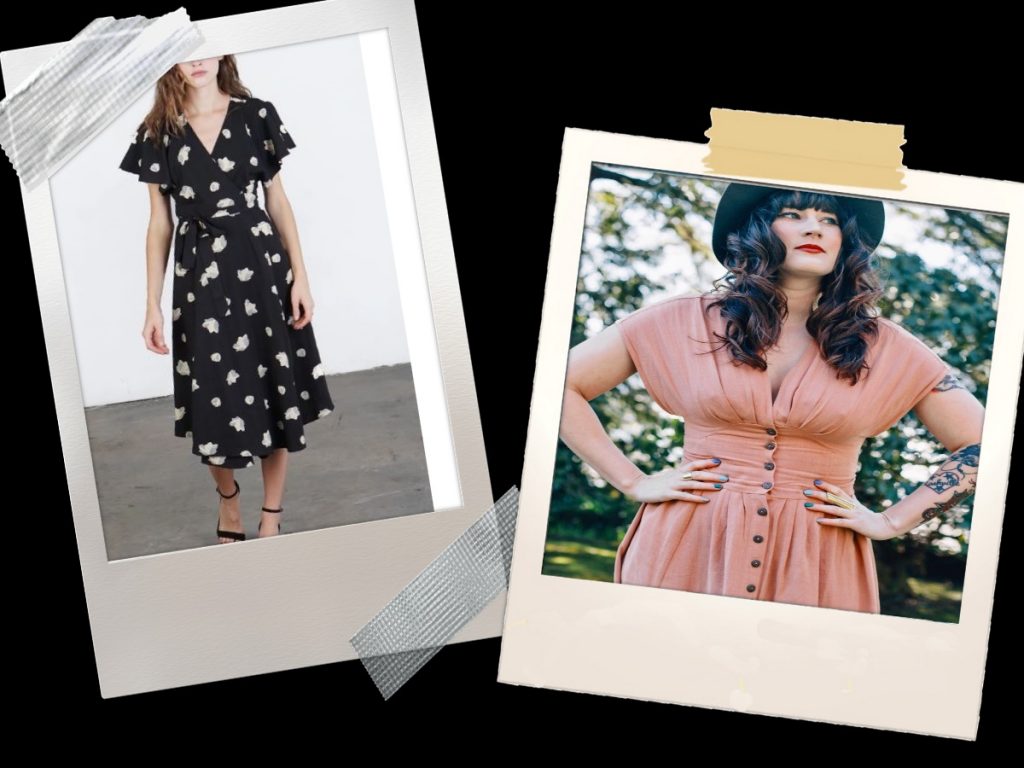
One small danger of eco shopping is “earth friendly” is often interrupted as “crunchy granola” leading to some less than chic choices.  The Reformation, based in Los Angeles, demands carbon neutral practices, green buildings, recycling, and sustainable materials but refuses to compromise on fashion. They have a huge variety of sleek elegant looks including a bridal salon and shoes! If you love prints this is the place for you. 

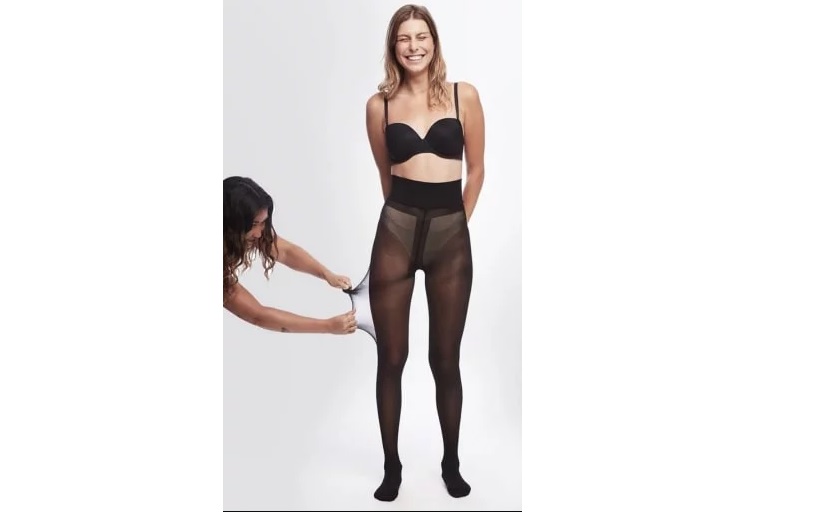
Image courtey of dailybeast.uk.co

Sheertex

Pantyhose aren’t as popular as they were in the 70’s and 80’s, but some workplaces still require hose, and many women just love the way they look. Sadly, because they rip so easily many women will go through several pairs each month. This demands a lot of resources, not just in fabric but in packaging and fuel. Sheertex hosiery is almost indestructible. Yes, they are considerably more expensive, but will save you money in the long run as they will last for years. They come in three varieties and go up to 2X in size.  

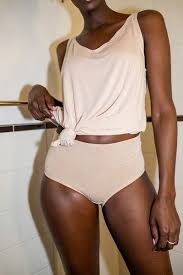
Image courtesyof Madi Intimates Apparel

Madi Apparel

Madi Apparel is determined to be a force for good. One way they are doing that is by using sustainable-sourced bamboo and creating strong durable underwear and tee shirts. Madi’s items are slightly more expensive but make up for by lasting for a long time. Made in the US, for each purchase you make Madi will donate underwear to homeless shelters and hospitals.  

Image courtesy of People Tree

People Tree

Not only did this company pioneer fair trade, but its eco-friendly organic clothing is made with GOTS-approved dyes. The brand even prints its label on FSC certified paper! With vibrant patterns, flattering silhouettes and high quality pieces these garments are wardrobe staples. If that wasn’t enough they pay their workers living wages!

Image courtesy of Tent Tree

Tent Tree

Based out of Vancouver, Canada, this company wasn’t content with upholding the highest standards for people and the planet with their sustainable fabrics and eco-friendly manufacturing. As the name suggests, the company plants ten trees for each item purchased.  

Image courtesy of Eco Vibe

Eco Vibe

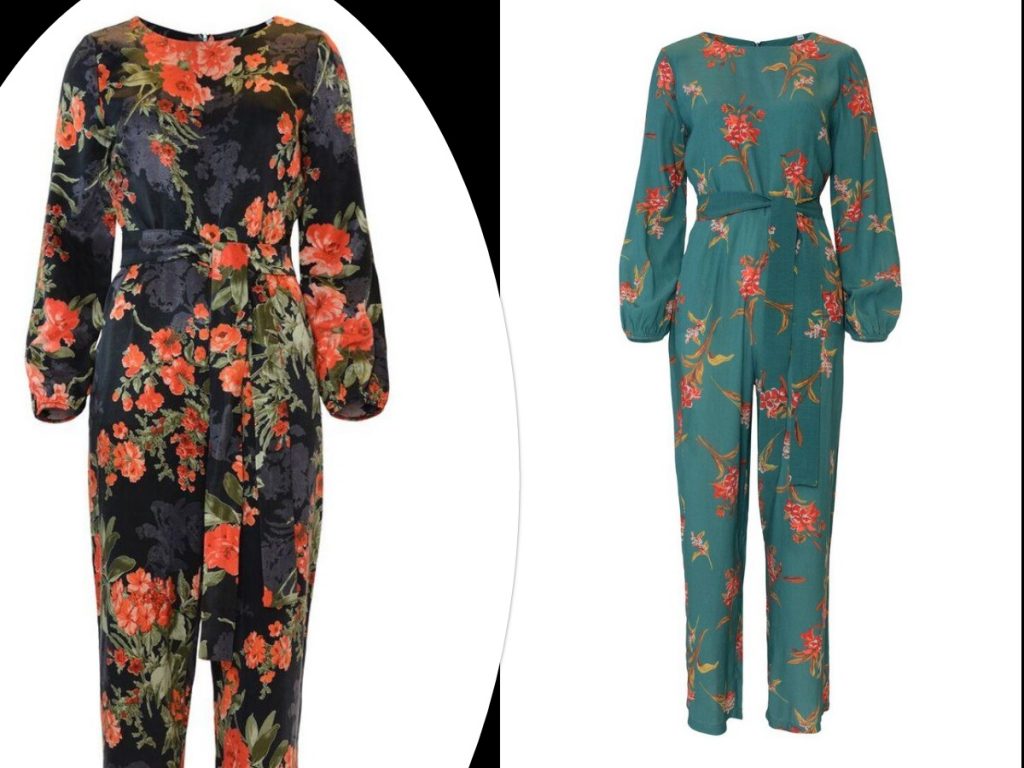
Founded by two partners in 2010, Ecovibe ensures its clothing is ethically produced, and focuses on supporting local designers, women, minority, family-owned businesses, and small makers and manufacturers. In addition, the brand participates in and donates to environmental causes.  The chic and stylish apparel includes billowy floral dresses, denim button-ups, strappy jumpsuit, and inclusive sizing options.

Image courtesy of Onno

Onno Tee shirts

Everyone needs tee shirts. Why not choose an ethical company that makes their tee shirts from Hemp or Bamboo, both using significantly less water than standard cotton and doesn’t require pesticides? Did we mention Onno T-shirts are made in small family-owned production environments where people are treated well.

Cameron Rose


A Stagnant US Luxury Fashion Market: What’s the Next Move?

Image courtesy of wallup.net

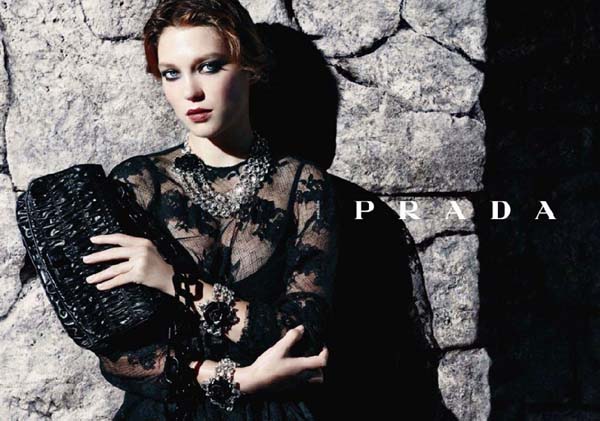
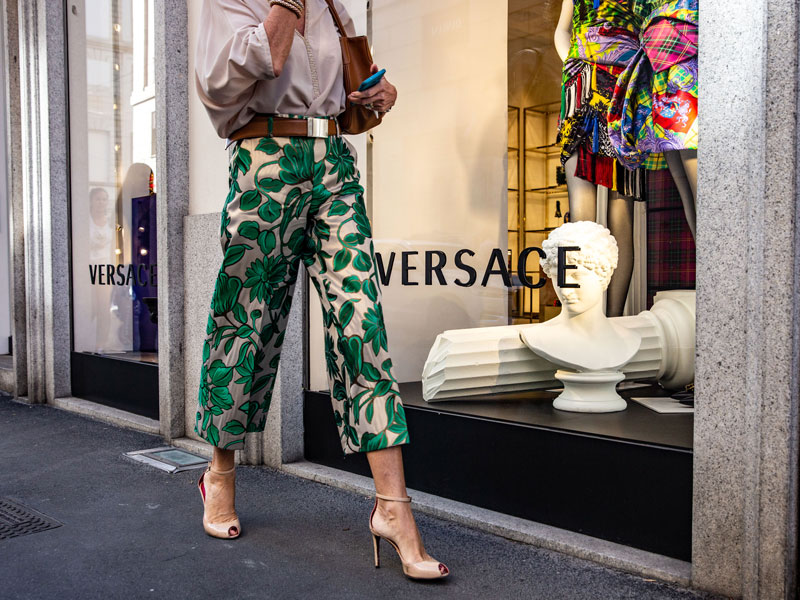
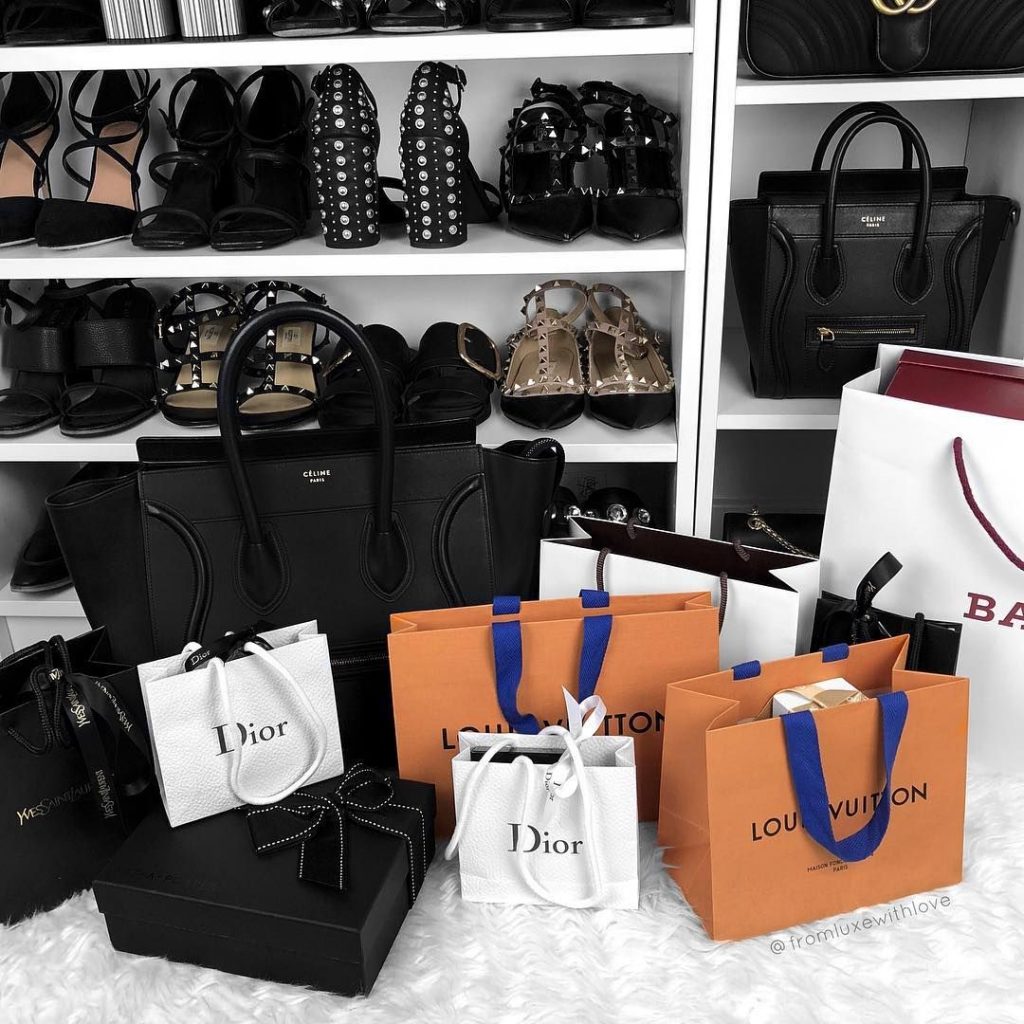
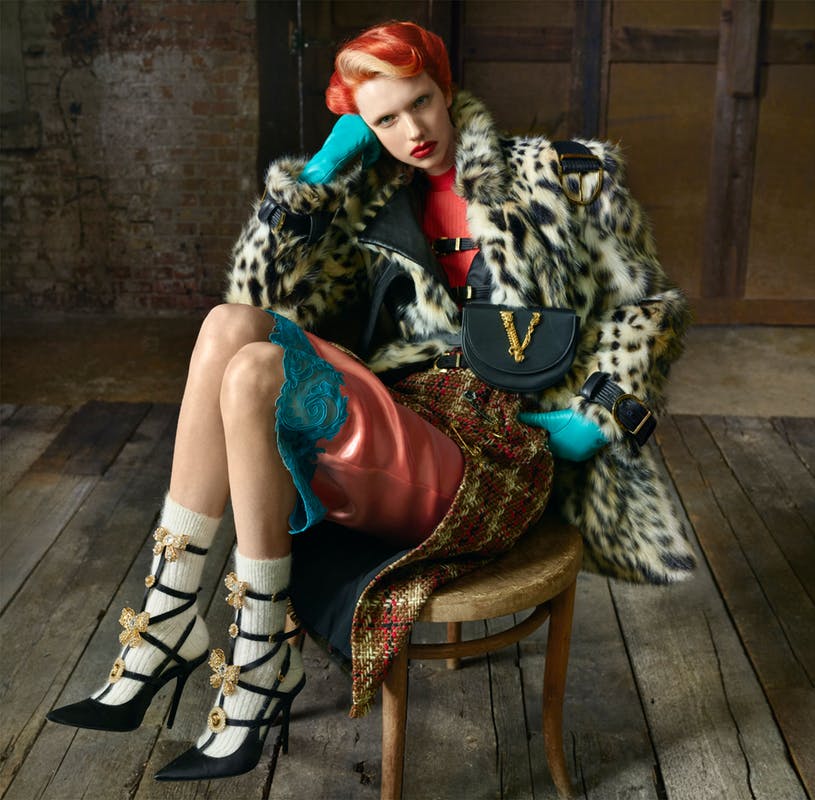
From pearls and diamonds to designer bags and fine watches, luxury goods have been some of the most coveted products by consumers. Once luxury goods were available in American department stores, American consumer’s obsession with luxury goods began to grow exponentially. Consumers wanted that statement-making garment or that fine-tailored Italian wool suit. Affluent consumers no longer had to travel abroad to purchase luxury goods, and middle-income consumers could budget for that coveted luxury item.

Current generations’ appetite of luxury goods pale in comparison to previous generations’ taste for such goods. That’s not to say there aren’t a ton of luxury goods purchased in the US—look how well Gucci is doing in North America—but Millennials and Gen Zers don’t seem to covet luxury goods in ways that match Baby Boomers and Gen Y.

Image courtesy of Getty Images

In 2017, international professional services company Deloitte published a study that showed American Millennials trail fair behind other markets including China, Italy, and the UK in terms of their purchases of other high-end fashion or luxury goods. “If you look at the baby boomer population, they are looking at luxury in a different way,” said Michael Londrigan, associate professor and advisor to the provost at LIM College. “Boomers purchase for prestige and are expecting the luxury products they purchase to last them until they die. Millennials and Gen Z approach luxury shopping from a different perspective. They want their products to have ties to things like corporate social responsibility and sustainability. They would also rather spend more on experiences than physical products. What luxury brand have done though is create more product at a wider price point, so you do see more people actually owning luxury goods, and this has caused a shift in the market.”

That said, high-end and luxury markets are having a rough and tumble moment. Between coronavirus and a presidential election year in the US, people’s net worth is declining, and this is expected to have more than short-term effects. There is an expectation of a less upper middle class and affluent consumer shopping.

Image courtesy of fashionchina.com

“There’s the long-term and short-term effects. In the short-term we are all panicking and worried about the stock market, stocks are plunging, and it makes people feel less wealthy,” said Milton Pedraza, CEO of Luxury Consulting. “More affluent consumers are going to hold back on buying luxury fashion. The luxury market is resilient to economic downturn, but it is not immune. Watches and jewelry expect to be the categories most hurt by an economic downturn, and people don’t really need apparel, because it’s not like they have empty closets.”

However, in the long-term it doesn’t appear that American consumers have the demand for luxury goods they once had. Pedraza also affirmed younger consumers have traded off products for experiences.

“Travel has become the number one category for discretionary spending,” Pedraza said. “Currently, demand for travel is declining due to coronavirus, but overall people have evolved to spending more on experiences. Things like beauty product services are doing well, such as facials and manicures. Younger generations don’t highly favor acquiring goods as compared to previous generations.”

If luxury brands expect American consumers to continue to expand their purchase of luxury goods, luxury brands will have to match the efficiency of a company like Amazon, making shopping an immersive experience. Stores have to become show centers. “Brands who are top tier brands will evolve into more experiential brands,” Pedraza said. “This coming recession will see a lot of carnage, however. Some brands might even go bankrupt or be sold at junk prices. Brands with less competition will survive, but other brands with a lot of competitors won’t be as lucky.”

Image courtesy of worldfinance.com

The other issue with getting American consumers to shop luxury goods is younger generations aren’t as wowed by heritage brands that have been around for decades. “The claim to fame of having been around for a long time doesn’t cut it with millennials,” Pedraza said. “Their attitude is very what have you done more for me lately, and what will you do for me now. Iconic brands will do well overtime, but a lot of other luxury brands that aren’t at that icon status might not survive.”U.S. luxury brands, like Pamella Roland, have found strong footing abroad , particularly in the Middle East and Asia. Pamella Roland counts retail partners in Dubai and Shanghai among international stores that carry her high-end gowns.

Another challenge for American consumers purchasing luxury fashion goods is that US wages haven’t kept up with the cost of living. However, according to Pedraza, the picture surrounding wages isn’t as black and white as people think. “There’s an entire grey economy people work in,” he said. “People also often have more than one job these days, and there is a whole gig economy, which is great for part-time workers. A lot of wages can’t really be measured these days. One of the problems is you have millennials who have a lot of college debt, and mortgage and credit card debt are also issues.”

“Wages aren’t quite as bad you may think though,” Pedraza continues. “If you’re a white-collar worker your wages have gone up some. Minimum wages have also increased. It’s a mixed bag, but a lot of people in the US do live hand to mouth, and that’s not good. If the average American had a $400 emergency most people couldn’t come up with it. While there is a grey economy that helps sustain us, people also have second and third jobs, but at least they are surviving. This does put a break on people who can buy luxury, and even people who can afford basic necessities. The luxury market isn’t growing as high as it has in the past. It’s growth is single digits. One saving grace is as baby boomers pass away, younger generations will inherit money. That’s how generations become resilient over time. Those things are unaccounted for.” 

US wages, when compared to wages in most modern industrial countries, are nothing to sing praises over. A 2018 Pew Research study found that today’s real average wage has the same purchasing power as 40 years ago. Wage gains have gone largely to the highest earners, while workers in the lowest tenth of distribution have only seen a three percent increase since 2000.

Image courtesy of pinterest.com

Pam Danziger, the founder of Unity Marketing, finds the luxury market more complicated due to the coronavirus pandemic. Danziger did note some key factors that apply to US consumers. Danziger contends that the US has the largest number of millionaires (18.6 million according to Forbes magazine. Because of Americans’ wealth status, the US continues to be a very important market for luxury brands, and still the most important market next to Asia. China had long been the focus for luxury brands the past several years, but with the effects of coronavirus the luxury market has taken a major hit there, and now luxury brands have to put their attention elsewhere. “My message to luxury brands was look back at the US market, China can’t sustain that growth forever,” Danziger explains. “The coronavirus has really ripped into the luxury market in China, grounding it to a halt and won’t comeback as near as strong as it once did. Right now, Americans are very much on hold. They’ve really stopped buying discretionary products short-term, it could go on longer term.”

In the face of a crisis, it’s all possible that luxury spending has the potential to take a positive turn. “Consumer psychologists have found that once people are faced with these kind of mortality crises, they tend to throw caution to the wind,” Danziger said. “This means they could start spending more money than they normally would. It will be interesting to see how consumers react once coronavirus subsides, because they could either spend more money than they normally would thinking their end is near, or they might get extra cautious and save up for a rainy day.”

Danziger also doesn’t believe that American luxury brands attempting to compete with French luxury brands speaks to any weaknesses in America’s luxury market. According to Danziger, Parisians have a strong preference for their own homegrown, legacy brands, and in general US shoppers exist in a more globalized market.

In terms of younger consumers’ spending habits, Danziger says that luxury brands need to start focusing on the resale markets, because that’s a sweet spot for millennials and Generation Z. She also says that luxury brands need to work on maintaining a lifelong connection with their consumers. In November 2019, Vogue Business reported that popular luxury resale site, The RealReal, saw a 55 percent sales spike. Luxury handbag retailer Rebag also positioned itself for growth last year by opening two stores in Manhattan and raising 25 million dollars in capital to continue their growth.


Image courtesy of lofficielsingapore.com

A November 2019 report by McKinsey & Company noted that two of the biggest challenges fashion brands will have with consumers is better digital experiences, and addressing the needs of consumers who are increasingly concerned by climate disaster, which translate into decreasing global footprints and sustainable fashion. Consumers and advocates are also continuing to demand for more inclusiveness, particularly in representation of race, gender, size demographics, and sexual orientation across leadership roles.

The American luxury market is tougher than ever, but that doesn’t mean there are no ways to expand the US audience. Like all things, fashion must adapt, and Americans continue to be an important consumer for luxury fashion companies.

—Kristopher Fraser


Copyright © 2012-2025 | Fashion Reverie Publications, LLC - All Rights Reserved