Image courtesy of. (AP Photo/Aurelien Morissard)
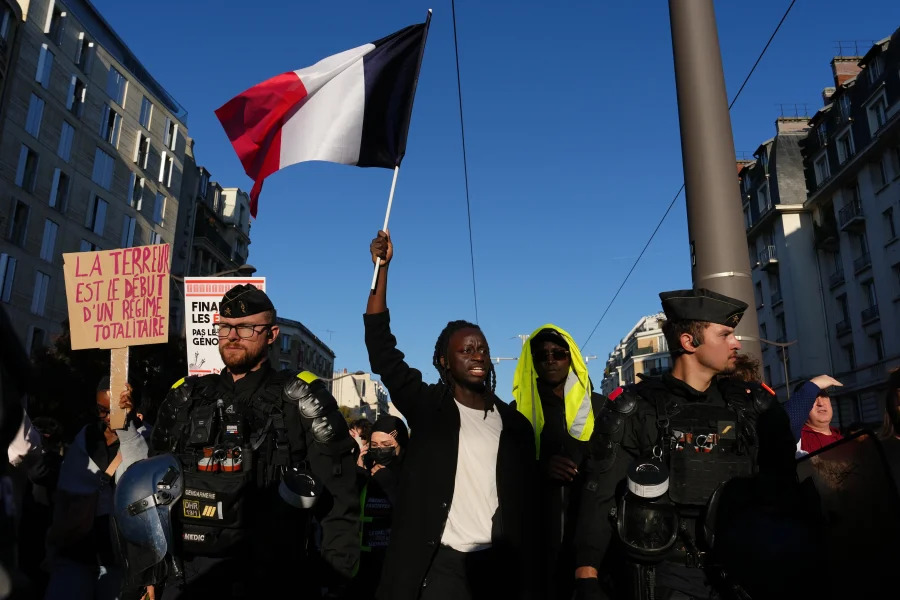
In June 2020, at the height of the Black Lives Matter (BLM) protests following the murder of George Floyd, organized crime groups took advantage of the nationwide demonstrations to loot luxury stores in New York City’s SoHo neighborhood. Retailers ranging from Chanel to Celine were targeted as demonstrations and unrest unfolded across the city. A similar scene has recently played out in Paris, where ongoing protests have coincided with looting and vandalism in luxury shopping districts. Celine was among the stores targeted, while Louis Vuitton reportedly faced an attempted break-in (and has apparently invested in nearly smash-proof glass).
Political upheaval and protests have long affected commerce, and fashion is no exception to the economic impacts protests can have. When demonstrations escalate into civil unrest, disrupt commercial activity, and create unstable business environments, retailers are among the first to be affected.
Political protests and rebellion have long inspired designers, but political unrest can also create serious financial and operational challenges for designers, retailers, manufacturers, and luxury conglomerates. Retailers need consumers to feel safe shopping, designers need functioning supply chains, and brands need semi-predictable markets to operate properly.
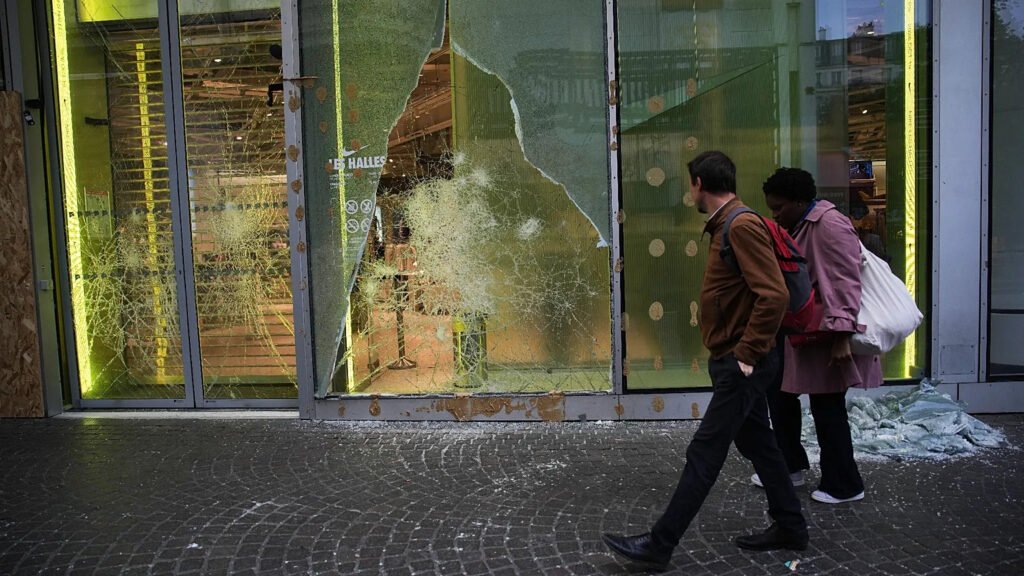
Image courtesy of euronews.com
One of the most immediate consequences of political protest is disrupted retail activity. When demonstrations occur in major shopping districts, consumers are likely to avoid those areas because of safety concerns, transportation interruptions, road closures, or concerns about violence. Luxury retailers often depend on destination shopping and tourism, so political protests are a blow to their bottom line and store sales plans.
Reduced store traffic is manageable, but there are situations where stores might have to close completely. If stores are broken into and left without merchandise, or if the violence from political protests becomes severe, stores can be forced to close temporarily until protests are under control.
In the recent case of Paris, where many flagship stores are located, damage to those stores harms brand identity. Flagship stores are often key to a brand’s marketing strategy, representing craftsmanship, heritage, and luxury status. When these locations are damaged, brands can face expensive storefront and interior repairs, higher insurance and security costs, and potential reputational damage. Although it’s easy to public-relations your way out of reputational damage, repair expenses and higher insurance and security costs still cut into revenue.
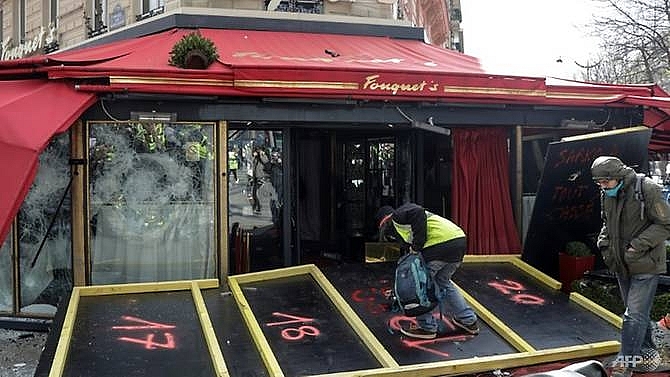
Image courtesy of vietmaninvestmentretail.com
With the current protests in France, retail stores are taking a huge hit, literally. According to Reuters’ October 29 report, approximately 2400 stores were damaged across France, with the estimated economic impact reaching $2 billion in damage and lost revenue. Brands including Louis Vuitton, Dior, Bulgari, Hermès, and Burberry were among those affected by the unrest or its associated security concerns.
An astonishing thing about political protests is the effect they can have beyond the location where demonstrations occur. Fashion is one of the most globalized industries, with manufacturing, sourcing, distribution, and retail operations spread across multiple countries. When political unrest hits a major garment-producing nation, international brands can experience delays, shipping interruptions, canceled orders, and increased operating expenses. Bangladesh offers a clear example of this.
In July and August 2024, student-led protests over the government’s reinstatement of a quota system for government jobs and subsequent political upheaval disrupted the country’s garment manufacturing sector. Bangladesh is the world’s second-largest ready-made garment exporter, generating over $38 billion annually in apparel exports and supplying major global brands like H&M, Zara, Nike, and Adidas with clothes. During the 2024 protests, factory operations were interrupted, curfews were imposed, and internet shutdowns even occurred, making international business very difficult.
The disruption affected international apparel buyers, with some reportedly canceling orders or redirecting production to other countries. The Business and Human Rights Resource Centre reported that the interim government cited foreign buyers canceling 15 percent to 20 percent of clothing orders in September 2024.
The trickle-down effects include missed seasonal delivery deadlines, delayed collections reaching retailers, increased transportation and sourcing costs, and lost wholesale business. This is particularly challenging in an industry where seasonal calendars and delivery windows are critical to profitability.
Beyond the retailers’ side, political protests can also reduce consumer confidence, meaning less consumer spending. Fashion is particularly susceptible because clothing, accessories, and luxury goods are often discretionary purchases. When consumers worry about their jobs, personal finances, political stability, or the economy, they may postpone purchasing nonessential items. Luxury brands are especially vulnerable to reduced consumer spending because their products carry substantial price tags, and consumers become much more selective about when and where they spend their money.
Hong Kong’s 2019 protests, triggered by a controversial extradition bill, offer a prime example. The demonstrations disrupted shopping districts, with luxury retailers seeing declining foot traffic, while some brands reconsidered their retail presence in the region. Amid the prolonged unrest and declining foot traffic, Louis Vuitton planned to close a store in Hong Kong’s Times Square shopping mall. Brands worry that prolonged political instability can have a lasting impact on consumer behavior, not just interrupt a shopping weekend.
Image courtesy of ricenews.com
What’s also unfortunate for fashion brands, and how they often find themselves at the center of the culture wars, is when they are expected to take sides in political debates. When a company supports a political position, it can alienate part of its customer base and face consumer backlash. Even staying neutral can be considered controversial, especially for consumers who want to spend their discretionary income with brands and companies that they feel best align with their political and moral values.
Brands can face backlash in the form of boycotts, negative publicity, and social media criticism. Boycotts don’t always translate into significant financial losses, but no one likes a scandal. Protests are powerful, and fashion is no exception.
— Kristopher Fraser


Speak Your Mind