
Image courtesy of adrianleeds.com
On November 3, the U.S. Democratic Party made mid-term election history by winning states that hadn’t had Democratic senators in decades. Both Kansas and South Carolina elected Democrats to the Senate. It was the first time Kansas sent a Democrat to the Senate since 1932. South Carolina hadn’t elected a Democrat to the Senate since 1998. After Alaska and Mississippi’s tight Senate races were recently called, the total number of Democratic Senate seats going into 2027 is now 56, with 258 Democratic seats in the House of Representatives.
It was a landslide election for Democrats, with surprise wins in states and congressional districts that weren’t expected. While the party in power typically loses seats in the mid-term elections, this year’s mid-terms were seen as an aggressive rebuttal of the Trump administration and its regime. Also, the soaring cost of living, gas prices, and the economy played a huge role in the rebuttal of the Trump regime.
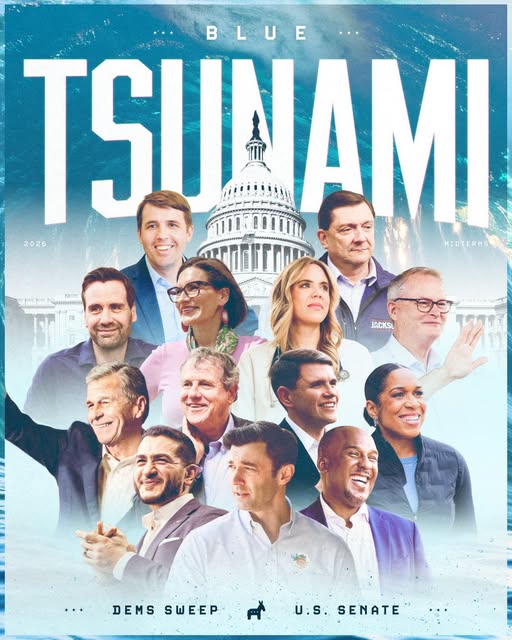
Image courtesy of facebook.com
With a Democratic Congress incoming, consumers have their hopes set on policies that could improve economic conditions (although the House and Senate will have to get them past Trump). Improved economic conditions also bode well for fashion, an industry based on people’s discretionary spending.
One of the fashion industry’s big hopes is that policies will be proposed to help combat the beating many fashion brands took from Trump’s tariffs. The tariffs were a boon for fashion’s supply chains and were a struggle for many independent, smaller brands to keep up with, as they were hit with five-figure tax bills to bring their products into the country.
The issue is that, regardless of who controls the House and Senate, the president can still levy tariffs. With Trump’s opposing party in power, there is at least a check on his power, so designers and brands are hoping they won’t find themselves in the same tariff bill predicament they faced during the first half of Trump’s second term.
It is a very complicated time for fashion, as many brands are still doing well, with North America as one of their best markets. However, spending is still dominated by the top 1/5 of income earners. Companies like Hermès and Kering (the parent company of Gucci and Balenciaga) have posted growth in North America. The era of aspirational middle-income consumers who might be the occasional investment piece is at a standstill.
With Democrats in power challenging some of Trump’s tariffs, pressure on retailers could ease. Many breathed a sigh of relief after a federal court struck down many of Trump’s tariffs, and many companies also saw refunds.
A conversation the House and Senate will need to start having regarding the fashion industry is how to further handle trade policy beyond Trump’s tariffs. U.S. trade policy influences orders, sourcing decisions, and manufacturing costs. These factors also have an impact on a global scale.
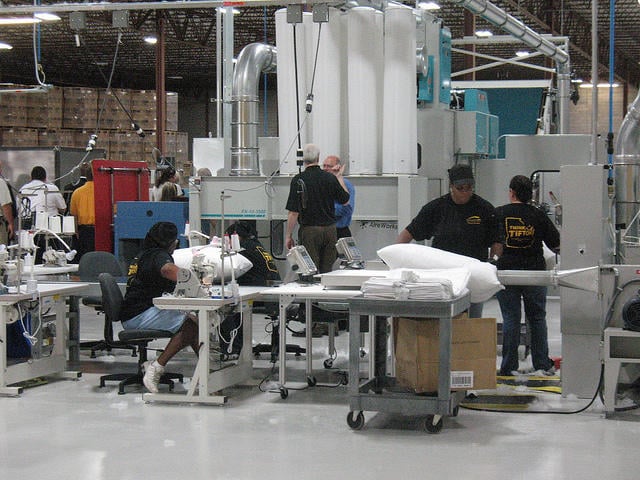
Image courtesy of adrianleeds.com
India, Vietnam, China, and Bangladesh are some of the biggest apparel suppliers to the U.S. Economic predictability matters regarding the global supply chain. Trump and the Republican-controlled House and Senate have left the U.S. unstable on both a domestic and international front. The war in Iran and the foreign policy approach to various situations in the Middle East have contributed to rising gas prices. The Trump administration has also made no effort to handle the rising cost of living and has only furthered the wealth gap in the U.S. There’s no telling what the administration was going to do next, which is never good economically.
On the green front, the blue tsunami could also mean holding fashion responsible for its waste problem. Fashion is one of the biggest polluters after oil and gas. On a state level, Democratic-controlled states have already been attempting to curtail the carbon footprint of many industries, including fashion apparel.
 California is already implementing legislation requiring fashion and textile producers to help fund collection, reuse, and recycling. The Responsible Textile Recovery Act, targeting fashion’s environmental footprint, was enacted in September 2024, with requirements taking effect in July 2026. Overseen by CalRecycle, the law shifts responsibility for end-of-life apparel, footwear, accessories, and home textiles onto producers rather than taxpayers or local waste systems. Businesses with at least $1 million in annual global turnover that manufacture, brand, import, or sell covered items in California (excluding PPE, military, and single-use products) had to join or form a state-approved Producer Responsibility Organization to build collection, repair, reuse, and recycling programs.
Nationally, a bill that would require brands to cut emissions in their supply chains and tighten chemical management would change the American fashion industry. In Washington and New York, where Democrats are the party in power, similar bills have been introduced, although neither has passed.
On social issues, members of the LGBTQ+ community hope fashion will remember its queer audience again. Many brands have had less voice about their Pride and LGBT initiatives during Trump’s second term in office, as they saw a new wave of conservatism taking place in America. Although brands shouldn’t be deciding whether they support LGBTQ+ rights based on who is in the White House, for an industry built on the backs of many LGBTQ+ people, from designers to publicists, supporting Pride Month should be a standard.
Last, a key goal of the Democratic House and Senate should be investing in American apparel and manufacturing. Fashion wants more ethical factories and domestic manufacturers. The Congressional Textile Caucus has been a bipartisan effort focused on preserving apparel and manufacturing jobs.
 Another hope the fashion industry has for the next Congress is that the FABRIC Act will pass. The act was first introduced in the 117th Congress but stalled in committee. The federal legislation would amend the Fair Labor Standards Act to set wage standards, increase supply-chain accountability, and support domestic garment manufacturing in the United States. The bill would also authorize a $100 million grant program offering competitive awards of up to $5 million for equipment, training, facility upgrades, and safety improvements, subject to congressional approval.
2027 could mean a whole new world for fashion under a new House and Senate. While there is still much to wait and see, the future is looking optimistic.
— Kristopher Fraser


Speak Your Mind