
Image courtesy of ciinmagazine.com
The fashion industry is one of the most peripatetic industries. In fact, the only constant in fashion is change. And surviving the vicissitudes of fashion is a feat within itself. This is not an industry for those stuck in certain patterns or ways of doing things.
Perhaps, the biggest evolutions in fashion have happened in the last decade. From the advent of social media to the proliferation of e-commerce and the demise of brick and mortars to the seeming embrace of diversity, the fashion industry is experiencing a seismic shift.
That said; there are opportunities to predict what changes the industry will experience in 2020. Fashion Reverie always has its fingers on the pulse of change and evolution.

Image courtesy of forbes.com
The Return of Brick and Mortars
Brick and mortar stores have been the bedrock of retail since consumers started going to stores as opposed to relying on seamstresses and family members to make their garments. With the market proliferation of e-commerce stores, it seemed that consumers—particularly young consumers were opting to shop online rather than spend their dollars in brick and mortars.
This lack of retail traffic has prompted many brick and mortars to close stores or reduce the amount of brick and mortars. According to businessinsider.com, in 2019 alone, over 9300 brick-and-mortar stores closed—this includes Payless, Dress Barn, Charlotte Russe, The Gap, Chicos, Forever 21, and Sears stores, in addition to many others.
This woeful shuttering of brick and mortars has had a deleterious effect on retail. Still, there is a silver lining and rays of hope!! Fashion Reverie associate editor Kristopher Fraser in his article “How Generation Z Is Shaping the Future of Retail,” extensively details that Gen Z has more brand loyalty than millennials, mix and match high-low fashion, and are more apt to shop at physical stores.
Fraser’s article further explains that Gen Z is looking for experiential shopping and retailers that are expanding along that trend are not only attracting Gen Z; however, keeping them as consumers. Additionally, Gen Zers see brick and mortars as a way to disconnect from social media and apps and have a real, physical experience as opposed to a virtual experience.
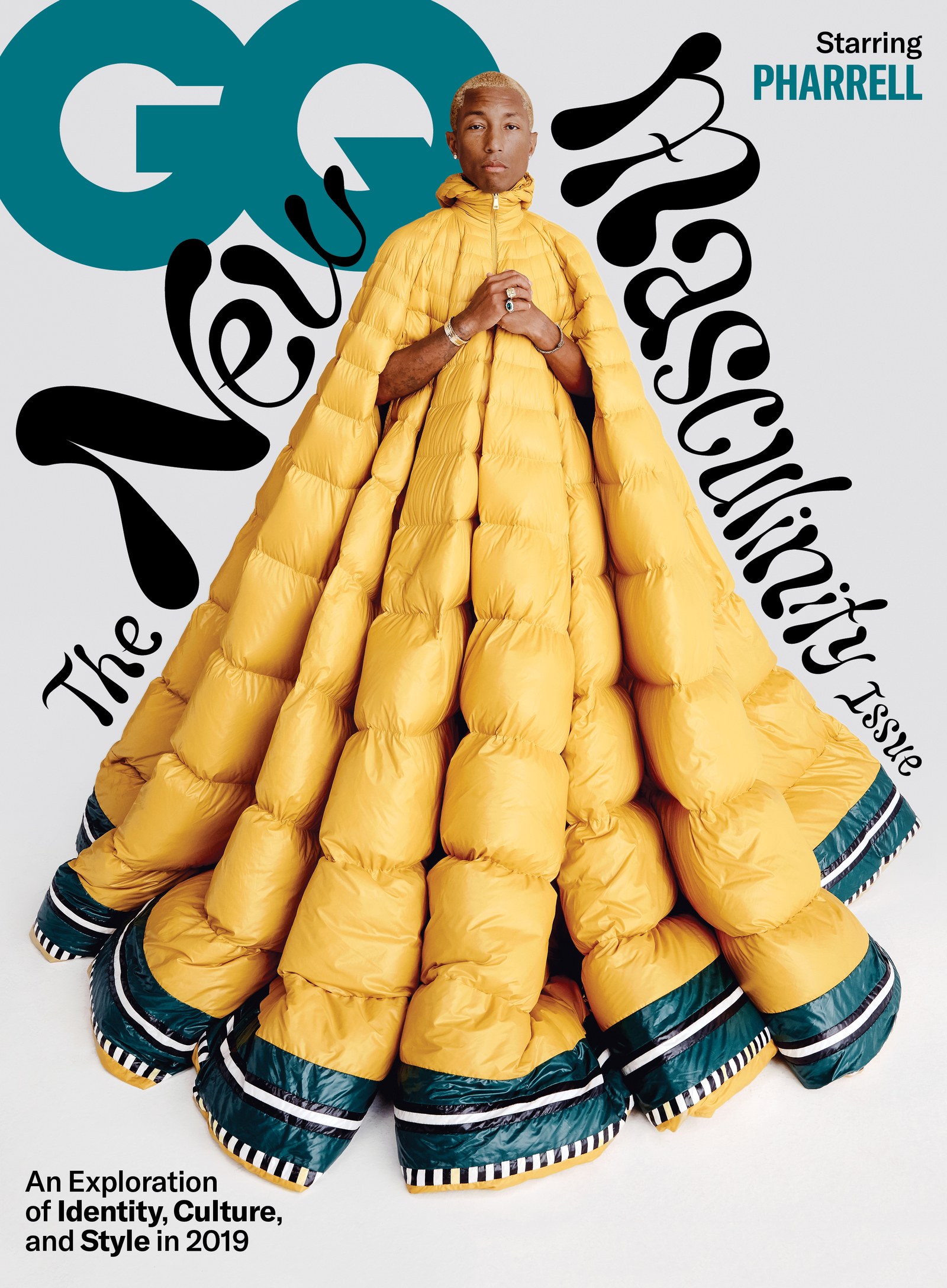
Image courtesy of GQ
A More Expansive Definition of Masculinity
Thirty years ago, it was rare to see men wearing very fitted slacks, bold, colorful sneakers, lots of arm bracelets, or skirts. Those looks were reserved for women or men that were fashion risktakers.
The times they are a changin’. Young male consumers now not only wear very fitted pants, but very colorful ensembles, as well as embellished shoes and sneakers, and a lot of jewelry. (And I don’t just mean the neck jewelry of the disco 70s or hip-hop era. I am talking about stacked arm bracelets, rings and ear jewelry.) Less is not more for this generation.
Fashion Reverie’s associate editor Kristopher Fraser in his 2019 “Male Music Celebs Push the Genderless Trend” explains how male music stars are helping to push this trend. And in GQ’s November 2019 “New Masculinity” issue, hip-hop and pop music icon Pharrell Williams discusses his fashion choices—which have more to do with what he likes than attempting to be gender fluid or binary—and being comfortable to who he is evolving into it.
Like Pharrell, male consumers are becoming more comfortable with garments that go beyond gender definition and are beginning to look beyond things that outwardly define their masculinity. 2020 promises to be a year of masculine expansiveness.

Image courtesy of onespan.com
Social Media Reboot
While the last decade in fashion has been defined by having a strong social media presence, 2020 will be prompt a re-examination of social media and its viability to fashion and retail markets. While millennials made social media, as it relates to fashion, a popular vehicle to promote brand campaigns and new collections, many fashion insiders contend that social media does not really aid in moving garment purchases along any more than print publications, TV commercials, and billboards, particularly the collections of luxury brands. And while lower-priced retail may have some traction on social media, luxury brands are questioning if all the hype translates to real significant sales.
2020 will see a serious re-examination of fashion social media with a possible demotion of key influencers, who in the past were paid big bucks for their followers but recent seasons have rendered their market influence nonproductive and flat.
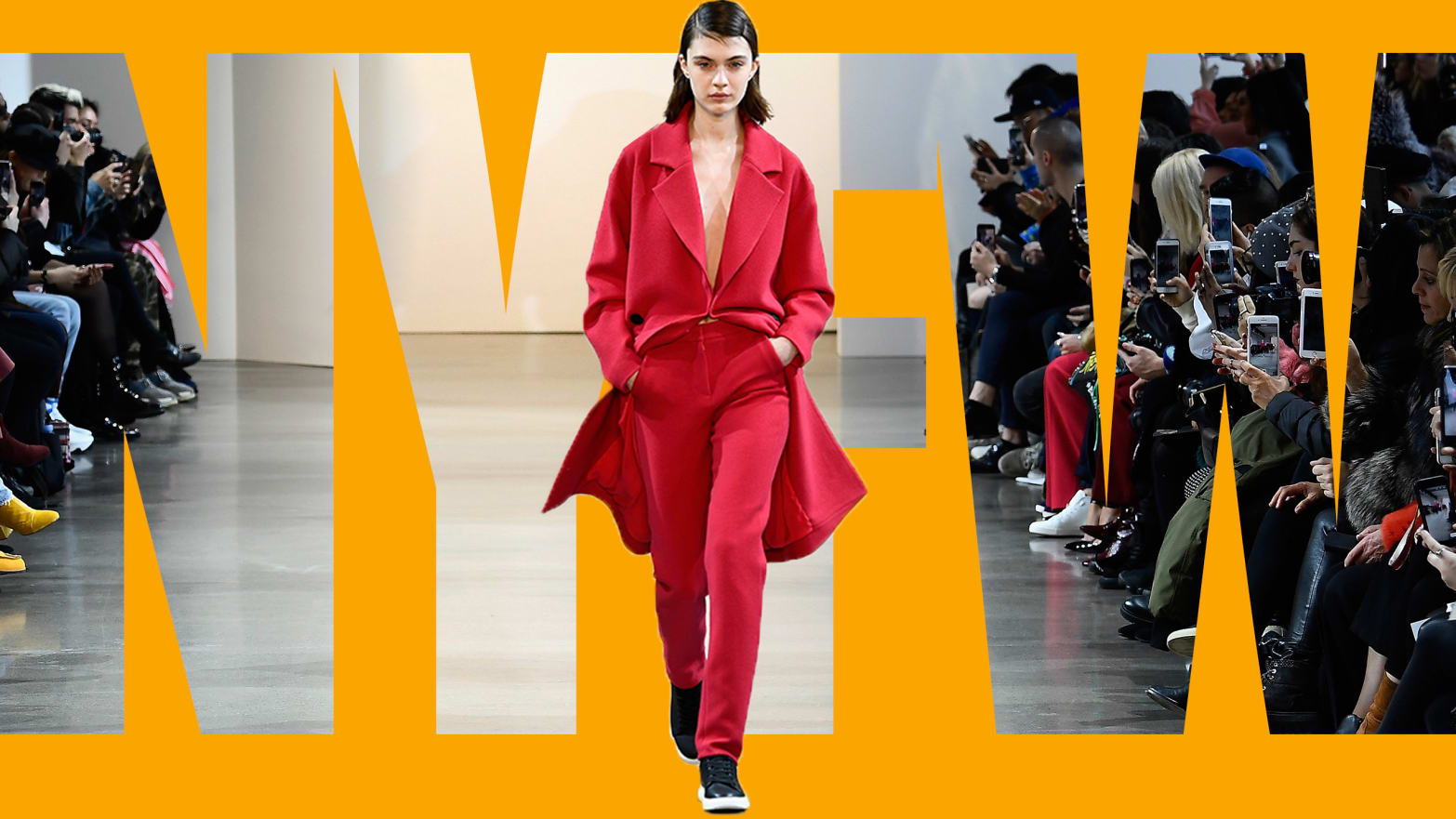
Image courtesy of thedailybeast.com
New York Fashion Week’s Continued Decline
If you were fortunate to attend New York Fashion Week (NYFW) when it had a residency at Bryant Park or Lincoln Center, you experienced NYFW at its most glamorous and inspiring. There were major brands that showed at NYFW from all continents, not to mention supermodels strutting in the most innovative and stunning garments. Add to that the bevy of celebrities that peppered all the top shows, and you had a fashion week that, at times, excelled all expectations.
Unfortunately, those days are gone!! With major American fashion houses opting to skip NYFW and showing in LA or Europe, and the international press exiting for greener pastures, you now have a fashion week with only a few major brands that can inspire and excite. And with the CFDA now selling tickets—at a very high price, I might add—to anyone who still believes that the current NYFW mimics NYFW of almost a decade ago, you have a fashion week that is heavily populated with wannabees and spectators and slim on real industry professionals.
Contrary to what some folks believe, exclusivity and excellence is what made NYFW so special. Imagine going to American Ballet Theatre and seeing almost anybody trying to dance “Swan Lake” or going to the NBA Playoffs and seeing a second-string high school player in the lineup. Not happening!! Maybe the CFDA could learn some lessons from these great institutions!!

Images courtesy of nbcnews.com
More Fashion Designers of Color
Expect more fashion designers of color in 2020. In the past five years we have seen the rise, and the demise of fashion designers of color that are making an impact on the fashion industry.
At the head of the pack is Virgil Abloh. A breakout star in his own right, Abloh is known for his Off-White fashion brand, his many collaborations with Nike and as the first African American to main a European luxury house. Abloh is the creative director of Louis Vuitton menswear.
Also, of note is Kirby Jean-Raymond of Pyer Moss, Christopher John Rodgers, Telfar Clemons of Telfar, Laquan Smith, Tracy Reese, Carly Cushnie of Cushnie, and a host of others—and that does not include the celebrity-helmed fashion brands. This is much larger group than the iconic names who have all come to love, i.e., Willi Smith, Stephen Burrows, Patrick Kelly, Jeffrey Banks, Byron Lars, and Ozwald Boateng.
Still, as the constellation of color expands, the larger question is if any of the designers of African ancestry and the ever-expanding list will get anywhere near the market acceptance and proliferation of Virgil Abloh. Fashion Reverie is divided on that question.
This is a very difficult industry for any emerging designer to achieve traction, especially black designers. Good Luck!!
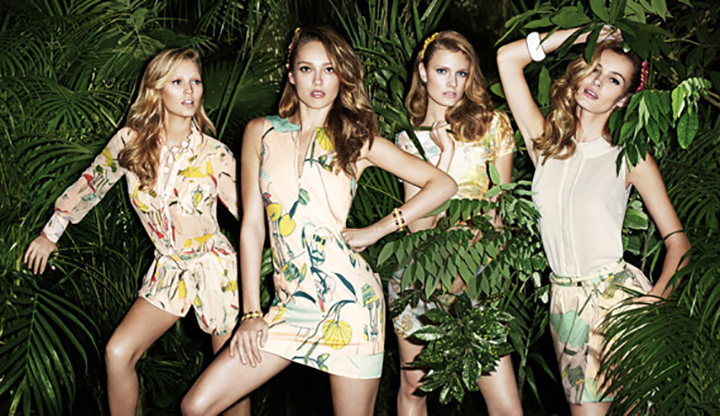
Image courtesy of hamtech.com
Sustainable Fashion Will Explode
Unless you are living under a rock, you cannot deny that we are living with climate disaster! While governments vacillate and hassle over how to combat climate disaster, individuals are making conscious choices around their products that they purchase that affect climate disaster.
With the advent of activism around climate disaster, many fashion brands are directing their collections toward sustainability. Fashion sustainability goes beyond animal fur, leather and textiles that use dyes that hurt the environment. Fashion sustainability is more concerned about the global footprint that happens with fashion goods that sold all over the world. With the local production of goods, the global footprint is diminished exponentially.
Brands that have made a commitment to fashion sustainability include Eileen Fischer, Mara Hoffman, Grammar, Reformation, Patagonia, Boden, Ciden, Araks, and many others.
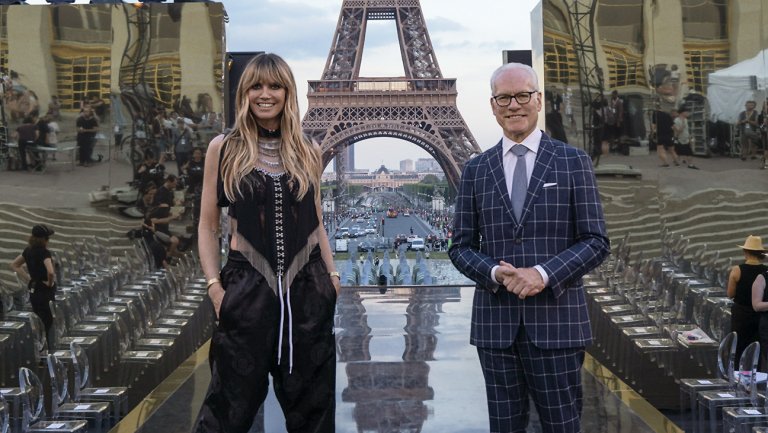
Image courtesy of hollywoodreporter.com
“Making the Cut” Will Trump “Project Runway”
There is new fashion design competition show on the horizon, and unlike “Project Runway” will give the winners some real dollars to turn their fashion line into a global brand. As interesting and groundbreaking as “Project Runway” was in its day, one of the drawbacks was that it never really gave designers enough prize-winning cash to adequately launch their fashion brands. “Making the Cut” is proffering a million dollars to the winner.
One hundred dollars may seem like a lot of money to someone from humble beginnings, but in the fashion industry that is a meager drop in the buck, particularly when good fashion PR—a necessity for any burgeoning fashion brand—can easily cost $5000 a month. (There goes $60K of your $100K out the window.)
“Making the Cut,” hosted and executive produce by “Project Runway” alums Heidi Klum and Tim Gunn promises to a much more realistic approach to mentoring and supporting nascent fashion brands. The Amazon Studios show will have an e-commerce component with the winners of each episode able to sell the winning weekly garment for under $100 on Amazon. And the show will feature episodes from New York, Paris, and Tokyo, all major fashion capitals. Judges will be Klum, Joseph Altuzarra, Naomi Campbell, and Nicole Ritchie. (Hmm, Christian Siriano you might want to start sending out your resume!!)
—William S. Gooch


Speak Your Mind