George Sully: Giving Voice to the Voiceless

Sully Wong/CIROC collaboration

Most folks assume that systemic racism is a part of the cultural fabric of the US, South Africa, Brazil, and maybe Great Britain. Canada is one country that rarely, if ever, comes into the systemic racism conversation. After all, Canada has socialized medicine, a strong economic safety net, and a black population of 30 million, compared to 400 million in the US.

All these things should point to a more open and inclusive society. On the surface, Canada appears to have achieved its social equality goals. However, at a closer examination, though covert, Canada suffers from systemic racism the same as most modern Western-inspired societies. And in its fashion industry, black fashion designers are almost invisible.

George Sully is looking to change all of that. With of the launch of his platform Black Designers of Canada (BDoC), the first-ever interactive index of Canadian black designers, George Sully brings much-needed attention to a segment of the Canadian fashion industry that has not received its just due.

George Sully graciously granted Fashion Reverie an interview soon after the launch of BDoC. And as with all things within his purview, Sully exhibited his unbridled passion and enthusiasm, making this interview not only informative, touching on many important key issues, but also joyous with a slice of uncanny humor.

Fashion Reverie: For those of us in the States that are unfamiliar with your brands Sully Wong, House of Hayla, and Shoeonado, could you give a brief synopsis of those footwear companies?

George Sully: Sully Wong is the footwear company that I launched in collaboration with Henry Wong. It is primarily a menswear footwear brand. Sully Wong really took us to another level. That said; Sully Wong is on a bit of a hiatus right now. Both of us have had our first child so we are taking a short break; however, Sully Wong will be back very soon. I have some collaborations and initiatives in the works that I cannot talk about right now.

Shoeonado is my consulting company  in which we sit down with a client and custom design their footwear concept. This is a private-labeling space in which we create from scratch or help to expand a brand that is already in existence, putting all the engines in place to rebrand or brand a new footwear company. With Shoeonado, there is no middleman as we are directly linked to footwear manufacturers in China.

And we can customize footwear to almost anything a brand wants with a 90-day turnaround. With evolving technology, we don’t have to depend on a large order to make a good profit. We can customize footwear to as small of an order as 100 pairs.

A lot of designers and some celebrity brands are finding out that when they partner or collaborate with a major footwear label, the royalty share is not to their advantage. With what we can do at Shoenado, everyone does well financially. Instead of sharing the label with a major footwear brand, the label is just the name of the brand or whatever the client wants the label to be.

House of Hayla

FR: Now don’t leave out House of Hayla.

George Sully: House of Hayla is my girlfriend’s footwear brand. She wanted to create a stiletto brand with an interesting twist. Initially, I wasn’t sold on the idea, but she was so passionate about her concept that I came around.

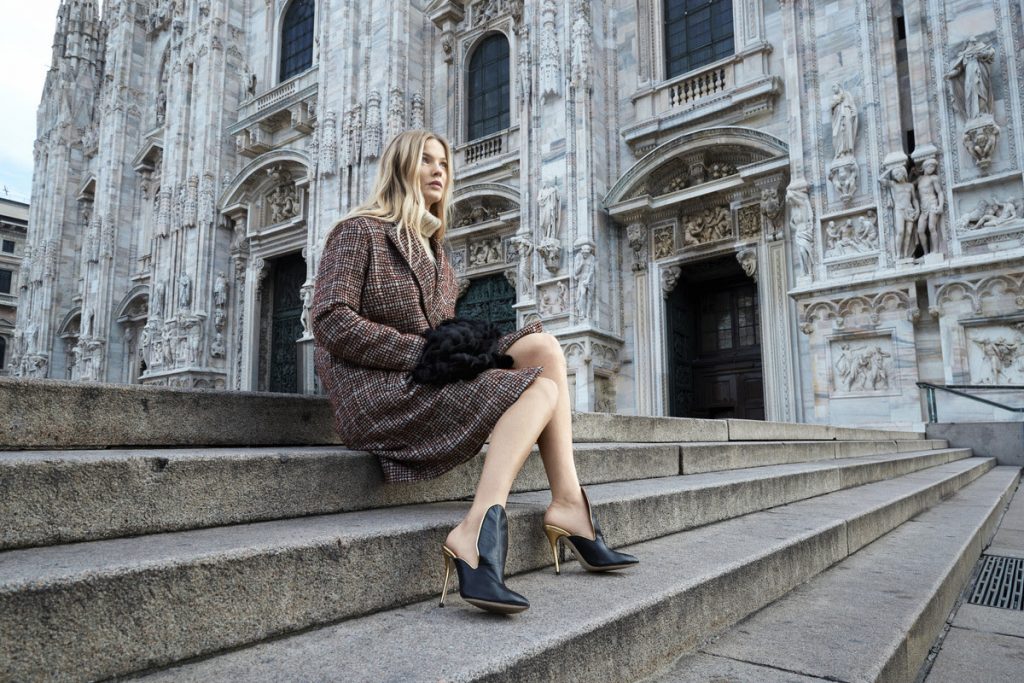
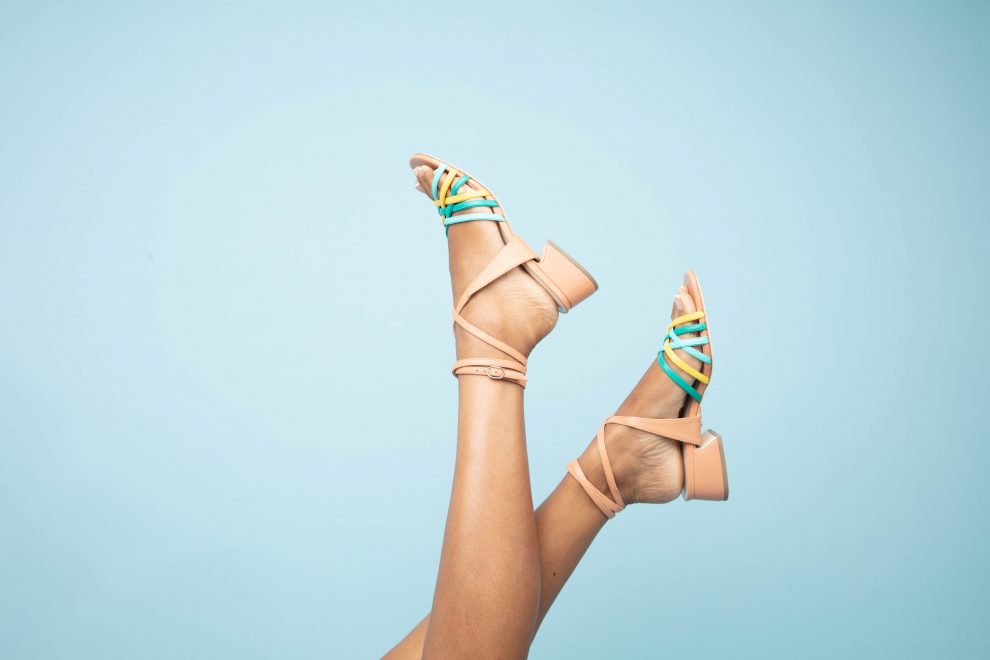
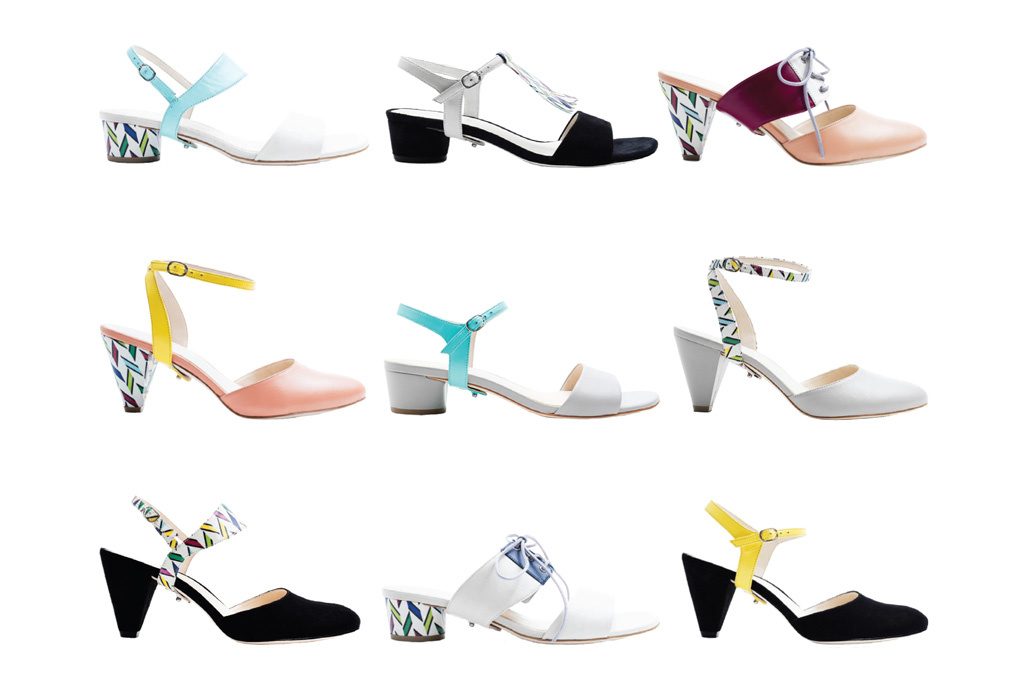
House of Hayla is primarily about monochromatic stilettoes from head to toe. This has never been done before with stiletto heels. There was some opposition from my manufacturer at first, mainly because it had never been done. In women’s heels there is usually a tan or black sole, apart from the Louboutin red-bottom heel.

We finally got a manufacturer to agree to do the monochromatic stiletto, and it’s been gangbusters ever since. It took us a while to find the right manufacturer, but we finally got it right and now House of Hayla monochromatic shoes come in 28 colors. We have customers that have anywhere from 12 to 24 different colors. We also put in foam insoles and a leather product that is very comfortable. Our customers tell us that they can work and walk in our shoes for two extra hours compared to other stilettoes.

FR: How did you first get involved in designing footwear?

George Sully: Well, that goes long way back. I initially started in the fashion industry with a clothing line which did well. I met my business partner Henry Wong at a fashion tradeshow, and he approached me about making sneakers to accompany my clothing. He explained to me how easy this would be. I honestly thought he was jiving me, but he was persistent and after four or five months we decided to partner together. His concept around sneakers related to creating independent or sub-brands of sneakers that were connected to clothing and wasn’t designed or owned by the major sneaker footwear brands. 

FR: Last week you launched Black Designers of Canada (BDoC), could you talk a little bit about that?

George Sully: The reason I launched BDoC is for the simple reason that black fashion designers in Canada are marginalized in the fashion industry, just as black fashion designers are marginalized globally. Black Canadian fashion designers’ contribution to fashion is Canada is huge, but we receive very little recognition.

Systemic racism in Canada is significant, but folks don’t recognize the racism in Canada because Canada is believed to be a very liberal country. The racism in Canada is very covert. White Canadians will not call you the ‘N-word’ or pass legislation that negatively affects blacks and other folks of color; however, there are covert, systemic racist policies in place that impede people of color, and particularly black folks.

CTA Sneaker

FR: How does racism play out in Canada in the fashion industry?

George Sully: Black fashion designers in Canada do not get the funding and don’t get the media coverage that their white counterparts receive. Because black fashion designers have been marginalized for so long in Canada and their contributions to the Canadian fashion industry has gone unheralded, I wanted to create an index of sorts that aggregated black Canadian fashion designers and their accomplishments.

With all the current social protests and outrage against police brutality and social injustice that has bubbled to the surface, as well as Blackout Tuesday, I wanted to tap into that outrage and acknowledge and design a creative space that showcases our accomplishments, as well as give resources to our community.

Because Canada is a liberal country with socialized medicine, a good social safety net, and liberal values, most people assume that Canada does not have a race problem. But that is not true. Racism in Canada is more subtle, so it goes under the radar. And as a person of color you are shadowboxing everyday because systemic racism here is much more covert. You can’t see it coming at you here as easily as you can in US, but you know your fashion brand is not getting the needed press and you are not getting the financing and funding like your white counterparts. I have mentored white fashion designers who get more opportunities and press than my brands.

One of the current signals where racism in Canada raised its ugly head is when it was revealed that ‘Central Park Karen’—the woman that called the police on African American bird watcher Christian Cooper—was originally from Canada. Canadians always talk about the racism in American, i.e., George Floyd’s murder, Breonna Taylor’s murder, and contend that that type of racism would never happen in Canada. Then, the ‘Central Park Karen’ incident occurred, and it caused Canadians to pause.

SW OTOKO footwear

FR: What are the goals of BDoC platform?

George Sully: This index will help build awareness of black Canadian fashion designers. And those who are looking to connect to those designers, this platform will give access for those looking to speak to black Canadian fashion designers for films, documentaries, panel discussions or just general knowledge about their place in this industry.

So much of our knowledge has been appropriated by other groups and we have never reaped the financial rewards of our brilliance and abilities. This index will take away the excuses that many have used in Canada of not knowing about black Canadian designers. If folks are serious about diversity and inclusion, they don’t have to look any further than this platform to get the information and resources that will facilitate opening doors. We have over 200 black Canadian designers in the index.

FR: Is it a challenge for black fashion designers in Canada to get investment/funding for their brands?

George Sully: It is very frustrating because in Canada designers of color get far less investment money than white fashion designers. Angel investors and funders are not rushing to invest in a designer of color even though some designers of color brands have good market value.

There are 30 million blacks in Canada as opposed to 400 million African Americans in the US. Believe it or not, it is easier for me to get funding in the States than in my own country. Even though you could have a very established fashion brand in Canada, your success is often not acknowledged if you are a designer of color.

House of Hayla monochromatic stiletto

FR: How has the COVID-19 pandemic affected the fashion industry in Canada?

George Sully: It is bad here. Many Canadian fashion brands were already struggling pre-COVID-19, so things are exponentially harder now. And for black Canadian fashion designers who were almost invisible before this pandemic, you can imagine how difficult things are now.

However, House of Hayla seems to be holding its own. There’s something to be said for women who will purchase stiletto heels during a pandemic. Instagram and other social media platforms have really helped House of Hayla hold steady. Still, there are many Canadian brick-and-mortar stores that have shuttered and are not coming back.

FR: Black consumers are the second largest consumers of luxury goods. With that statistic, why are investors still reluctant to invest in black fashion designers?

George Sully: Well, the simple answer is a lack of trust in our ability to successfully run our own businesses. But additionally, the time is ripe for us to start looking to ourselves for the answers and stop looking for investment outside of our community. We don’t need to partner with major mainstream brands to be successful.

With technology you can now create a smaller amount of product and if marketed correctly, make a good profit. And Shoenado does just that for our partners. China has such incredible footwear craftsman that they can make and manufacturer almost anything. And Shoenado has direct access to those craftsmen.

George Sully at work. All images courtesy of George Sully

FR: What’s next for BDoC ?

George Sully: With the new rise of interest that this index will foster for black Canadian designers, the sky is the limit. There are entities that want to partner with us which can facilitate the index expanding beyond just an index.

—William S. Gooch

All Eyes on Summer 2020 Fashion Collaborations

Image courtesy of thebusinessoffashion.com

Summer is almost here, and in addition to beach trips, margaritas (which you can still get to go), and tanning on your rooftop, there’s also plenty of fashion to be had. New York City began phase one of its reopening this week, which means retail stores are now available for customers to do in-store pick-ups. As consumers are starting to increase shopping, brands are back to releasing fashion collaborations.

Fashion collaborations are often a sweet spot for brands because collaborations are often limited-edition, and limited supply often means high demand. For early summer, some fantastic fashion collaborations from sneaker brands to an Academy Award-nominated actress collaborated are to be celebrated. Fashion Reverie has rounded up some of our favorites for your summer shopping list.

Image courtesy of nike.com

Ben & Jerry’s and Nike $100

I scream, you scream, we all scream for ice cream. Ben & Jerry’s is known for their multitude of ice cream flavors, and no matter what your palette craves, they probably have something you like. Now, they have teamed up with Nike to satisfy your sneaker appetite. The Nike SB has been reimagined in a chunky edition of the Dunk Low, featuring the colors of Ben & Jerry’s packaging. Now your kicks can match your late-night snack runs.

Image courtesy of Purple PR

Christian Cowan and Le Specs $99 – $129

Christian Cowan has some shade coming your way with Le Specs. The designer, who is known for churning out sometimes up to several collaborations per season, has teamed up with the Australian eyewear brand for a collection that’s club-kid ready. Cowan is often inspired by his clubbing days in London, and the glamour, sparkle, and shine of the club scene speak through these spectacles.

Image courtesy of Moncler Press Room

Moncler and Richard Quinn $580 – $5860

Moncler has continued its Genius Series with the colorful and charismatic Richard Quinn. Inspired by the 1960s, this collaboration is truly psychedelic with its flower-power patterns and kaleidoscope of colors. These trapeze gowns have actor Ezra Miller’s name written all over it. A $5-dollar bet says Fashion Reverie will catch him in one at his next red-carpet appearance.

Images courtesy of ssense.com

Jacquemus x Ssense $95 – $590

Jacquemus, a brand that was catapulted to household name status thanks to their micro bags, has collaborated with luxury streetwear e-commerce site Ssense for an easy-to-wear, work-from-home ready collection. The two fashion players have teamed up for a collection of loungewear that’s ready for you to recline by the pool or to answer work emails from the couch. Versatility has become the new mother of invention.

Image courtesy of Purple PR

M Missoni x Yoox $75 – $360

Yoox.com, the website that’s the home of hard-to-find clothing, has teamed up with Missoni’s diffusion line, M Missoni, for the first collaboration under M Missoni’s new creative director Margherita Missoni. The collection features all of Missoni’s signature use of bright colors and zig zag patterns for a splash of bright summer fun. Whether it’s a dress or jumpsuit you need, this collaboration has got you covered.

Image courtesy fo chopard.com

Chopard and Chloe Sevigny $2200

Jewelry brand Chopard has teamed up with Academy Award-nominated actress Chloë Sevigny for a bag with a whole lot of heart, literally. The Green Carpet Bag from Chopard is emblazoned with a giant heart for those who love to have some love in their wardrobe. Sevigny is considered a fashion icon in her own right, so it was about time she put her stamp on a bag.

Image courtesy of manebi.com

Sergio Rossi x Manebi $199 – $340

Espadrilles are usually a summer staple, and now that we can somewhat safely strut the streets again, this season will be no different. Sergio Rossi and Manebi teamed up to combine their Italian DNA’s for a collaboration that’s worthy of some summer fun. Featuring details like crystal studs and turquoise stones, these shoes are part of Sergio Rossi’s srAddiction capsule which is all about glitz, glamour, and embellishments.

—Kristopher Fraser

Fashion Reverie Exclusive: CARAT Footwear, Made to Last and Impress

Not many fashionistas can say they are embuied with a with purpose early in life, but there are the fortunate few who are called into the fashion world with a purpose, before they even know it. Maybe it’s the fashion gods above who bless us with a purpose to help shift the narrative of the fashion world.

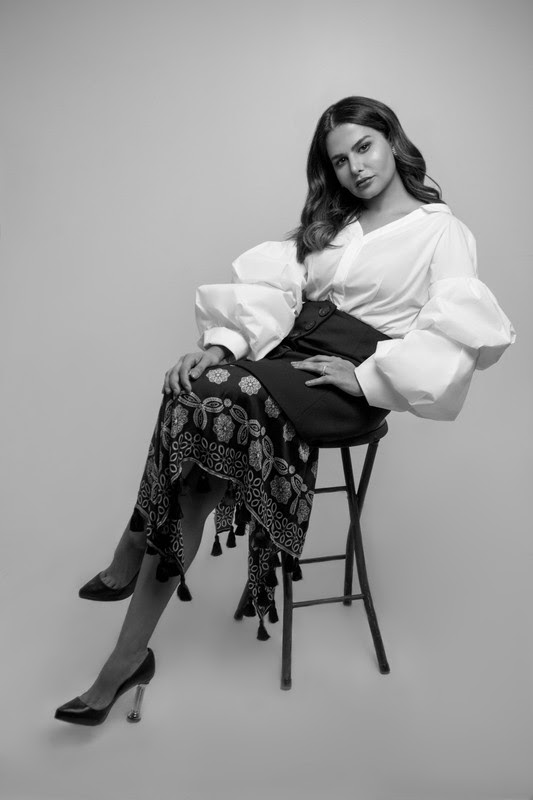
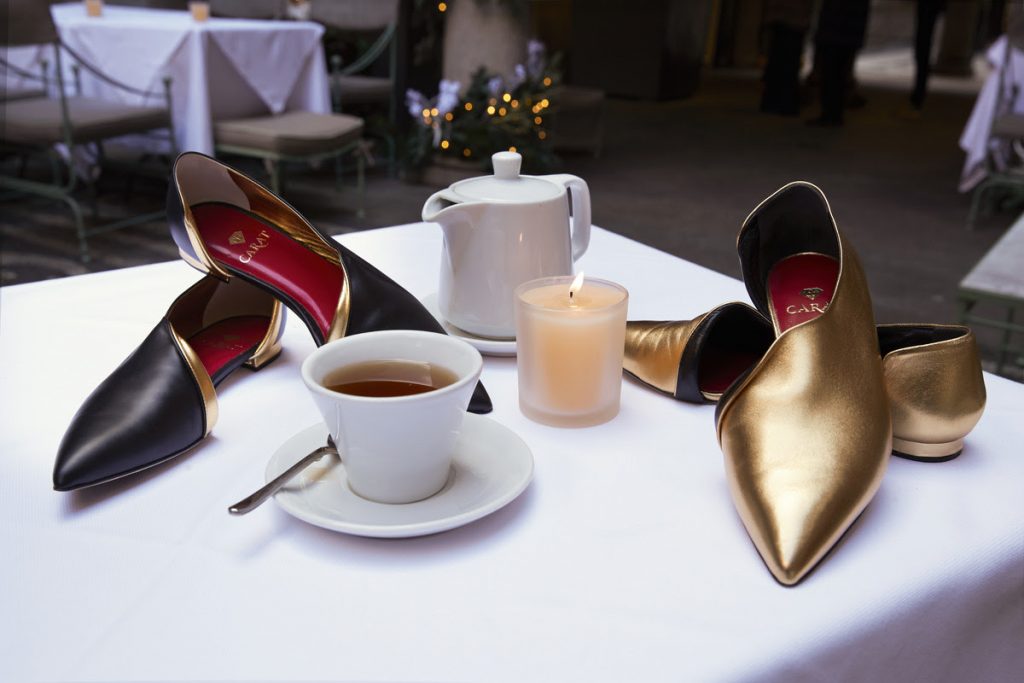
Fatmah Hussain came into the fashion industry to raise standards in footwear, and she s breaking the mold with her high-end fashion brand, CARAT. Hussain designs footwear that pays tribute to iconic women’s wardrobes, all while injecting a modern design aesthetic.

Unmistakably sophisticated and bold, CARAT never compromises style and constantly provides cutting edge pieces for any occasion, ensuring nothing but perfection for those who appreciate quality, authenticity, and comfort. “A pair of shoes means joy and comfort; uplifting both a person’s height and their confidence, that’s why I love them,” states Hussain.

Fashion Reverie spoke with Fatmah Hussain as she elaborates on her emerging global footwear company as she uplifts and teaches us the confidence to “walk through [each] journey on clouds.”

Fashion Reverie: How did you get your start in the fashion industry?

Fatmah Hussain: The first step was getting the knowledge needed in order to start. I’m a geologist; I’ve been “still” in the [geology] industry for more than 10 years. I knew that even if I had an idea, theme, or style, those should be backed up with footwear business knowledge. So, I took a customized course with one of the best footwear schools in Milan, “Arsutoria,” and that was the turning point.

FR: When and where did your passion for fashion begin?

Fatmah Hussain: I’ve always had one eye for fashion, especially shoes “as all ladies do.” think we are all connected to fashion in some way or another. So, I decided in 2018 to convert this passion into a real business and express my creative side through it.

FR: Where do you find your inspiration?

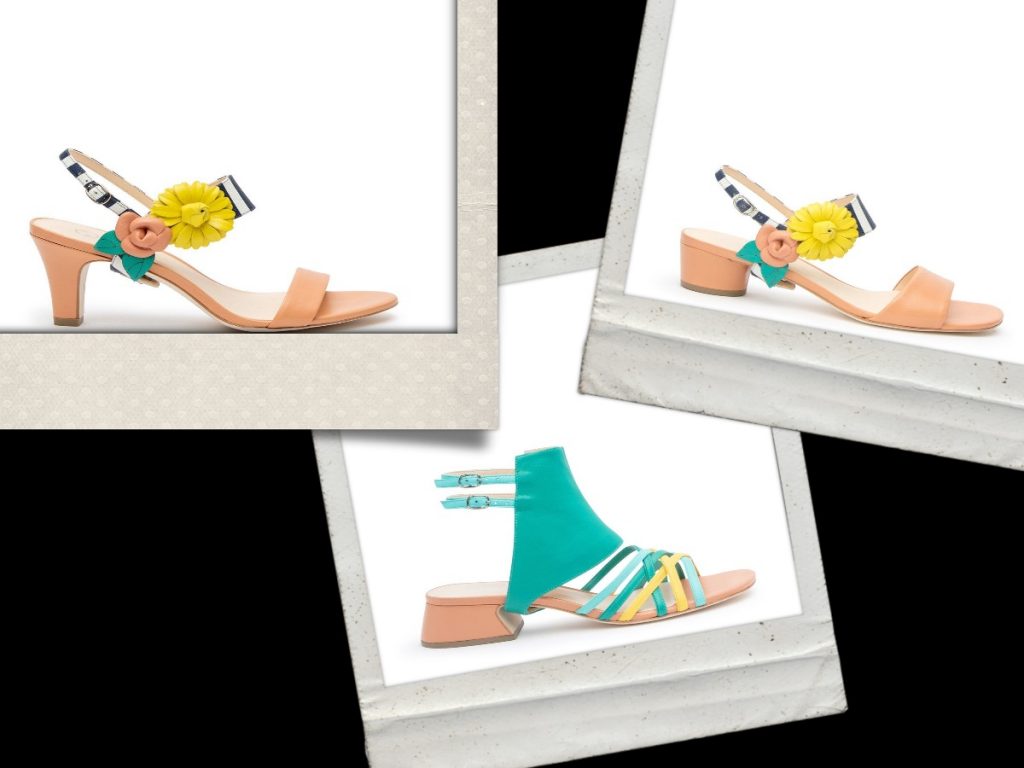
Fatmah Hussain: I get inspired by art, architecture, and jewelry. Integrating them all in one way or another, the collection idea came to me one by one and lined up in a consistent way. The final touches were done on the prototypes. When I get the physical designs, I get more creative and playful.

FR: How would you define CARAT?

Fatmah Hussain: Iconic, bold, and sophisticated.

FR: What’s the most important thing you have learned about the fashion business?

Fatmah Hussain: That it takes more than knowledge and budget to start your own label. You need passion [to] keep yourself motivated, armed with dedication, and a strong will to keep going.

FR: What fashion shifts are helping to set some designers apart in this era of fast fashion?

Fatmah Hussain: I think it’s important to “not follow” trends. The fashion industry seasons are exhausting to follow and to keep up with. Focusing on customers’ needs, having a clear vision, and strategy are more important.

All images courtesy of CARAT

FR: Do you think celebrity/influencer culture is becoming a driving force in fashion?

Fatmah Hussain: There is no question about the important role influencers and celebrities are having on the industry. But, we’re dealing with smart customers. [However], if it’s not meeting [the] customer’s expectations of quality and comfort, I don’t believe it will succeed.

FR: What impact on footwear do you want to be known for?

Fatmah Hussain: I’d like the brand to have the impression of being “comfortable and elegantly in-style,” and these are the main elements I’m maintaining in each collection.

FR: What can consumers expect from you next?

Fatmah Hussain: The brand is blooming; there are more colors to CARAT than what we’ve shown in the last collections. Keep up with the next collection; it will reveal more of CARAT’s identity.

—Courtney Wilkins

Power to the People!!

Image courtesy of newsbreak.com

“Power concedes nothing without a demand. It never did and it never will. Find out just what any people will quietly submit to and you have found out the exact measure of injustice and wrong which will be imposed upon them, and these will continue till they are resisted with either words or blows, or with both … —Frederick Douglass

These historic words of the great abolitionist, orator, publisher, and former slave Frederic Douglass rings loud and clear. This excerpt from Douglass’ speech on August 3,1857 at the West India Emancipation event aptly illuminates the struggles between power—albeit political power, class elitism, economic power, and white privilege—and those who seek their fare due.

Image courtesy of blackagendareport.com

As the United States continues to fail to live up to its promises and ideals of a just society free from economic dispair, social injustice, racial oppression, gender inequality, and class superiority, thousands of US citizens and global comrades have poured into the streets demanding an end to injustice and domination by the cultural and economic elites. And it took the brutal murder and yes, you could even say the public lynching of a working-class African American, George Floyd, to take the lid off the bubbling cauldron of dissatisfaction and unrest, unleashing an energized cacophony of voices demanding justice and liberation.

While a few, confused individuals took this surge of dissent as an opportunity to pillage and destroy, the vast majority of protesters understood and seized this moment as the critical turning point in not only the future of America, but the entire planet.

Image courtesy of sanfranciscochronicle.com

Let the melodious voices of dissent inspire you to examine the inequities in our society and with agency use your power and passion to be a part of the solution. As Frederick Douglass so brilliantly stated, “Power concedes nothing without a demand.” And we demand justice, respect, and equality. Resist, resist, resist!! Power to the people!!

—William S. Gooch


Summer 2020 Beach and Street Handbag Roundup

Image courtesy of shutterstock.com

As 2020 finally reopens to the public, be sure to enter the reopen purse first. A throwback wave of sizable totes, oversized satchels, and raffia bags shall rise to the top as the must-buy arm candies of 2020. So, for Fashion Reverie’s handbag obsessives out there, summer 2020 is upon us and it’s time for a major wardrobe refresh. We know this pandemic has you scrolling, so why not indulge yourself? Fashion Reverie has hand-selected the latest handbag trends to wear on the beach and/or street as we safely slay six feet away.

Orher Stories $69.99 and Betsey Johnson $55.00 courtesy of their respective brands

Clutched To Our Sides

This season is all about coordinating looks, as the must-have item of 2020, hug-and-tuck this ‘it’ accessory from the daytime beach to evening street. Opt for an unconventional statement wristlet, woven piece, or adorable straw silhouette as your new clutch. Worth the following, this oversized pouch brings back our fave style of the 2000s.

Images of House of Holland, MSGM, and Toga images respectively courtesy of their respective brands

Sporty Fishnet Bags

Vibe check! With contrast-coordinating hues, this streetwear approved crochet bag has taken our go-to boho-chic bag to the next level. As the perfect summer accessory, upgrade your crochet purse for this very on-trend tote.

Images of Kassl Editions ($239), Naghedi ($275), and Mansue Gavriel ($615) courtesy of marieclaire.com, and whattowear.com, respectively

Supersize Me

More than a shopping tote or overnight bag but equally dramatic, the XL handbag will definitely be replacing our teeny-tiny bags as a runway favorite of 2020. From elongated straps, colorful pastel tones, woven crochets, fringe hemlines, structured silhouettes, and weekends, totes are turning our utilitarian item into a fashion movement. Designers such as Jacquemus, Prabal Gurung, and 3.1 Philip Lim have proven that bigger is better.

Images of Mango ($55), Tory Burch and Lirlo ($79) courtesy of Getty Images and Net-a-porter

Pouch Bag 2.0

Another iconic style of 2020, we noticed both vintage and upscale designs of this handbag. Clean, minimalistic, untraditional the pouch bag style has become an everyday bag for style and comfort. Update your graphic nylon drawstring pouch bag for these options to wear as a backpack, top handle, or shoulder bag. A clear beachy twist of your coin purse, this catchall is perfect as you head to the beach for brighter days.

Images of Philip Lim 3.0, Marc Jacobs ($375), Telfar ($257) courtesy of Getty Images, nordstrom.com, and telfar.net, respectively

Brighter is Better

Not only is bigger better, but the brighter the better, too! Color is the new attention grabber of spring. Certified street-chic, this little addition of color when paired with any basic, is sure to turn heads. Inject some color into your life, no matter the hue, this colorful trend goes with just about anything.

Images of Prada ($2050), and Celine ($1250), Miu Miu ($1489) courtesy of respectively salsfifthavenue.com, vogue.com, and farfetch.com

The New Bucket Bag

Throw it in the bag, as this handbag has returned to the runway proving itself as a trend here to stay. Crafted from raffia to straw baskets, the bucket bag is a practical style that has taken on many inventive and minimalist designs. Its functionality in size and silhouette will never let your necessities be overlooked again.

—Courtney Wilkins

Fashion Brands Are Re-Evaluating Advertising in a COVID-19 World

Image courtesy of pinterest.com

From television to print publications to social media campaigns, fashion advertisements are as common as sunshine in the summertime. Fashion advertisements can be as simple as a banner ad or a glossy magazine image of a top model carrying the latest Louis Vuitton bag. As consumers, we are constantly encouraged to buy and spend, because in a capitalist economy money makes the world go around.

For the past few months, most of the world has been on pause. Spending came to a standstill as businesses and retail stores closed and many workers were laid off or were put on furlough. While most fashion brands and retail stores have an online shopping component, consumers are tightening their purse strings to make sure they had money for life essentials.

As states begin to reopen, and stores begin to offer curbside pickup, brands must now reckon with how to advertise to consumers in a post-lockdown world where the COVID-19 virus is still a concern. The fashion industry must adjust to a new normal, and many are grappling with what that new normal will look.

On the fashion magazine front, although advertising dollars has been diminishing for print publications for several years, print publications were still reaping big bucks from advertisers. According to Rob Williams of MediaPost, “print ad space is still sought after because of the failure of digital media to provide an adequate substitute for print, the cultural credibility of magazines brands, and the undervaluing of digital platforms by publishers themselves.” Americans spent 3.3 percent of their media consumption time on print products with 44.4 percent on digital media. Magazine ad spending among the 50 biggest advertisers fell 6.4 percent to $6.1 billion in 2017 from the prior year according to WWD analysis of data from the Association of Magazine Media.

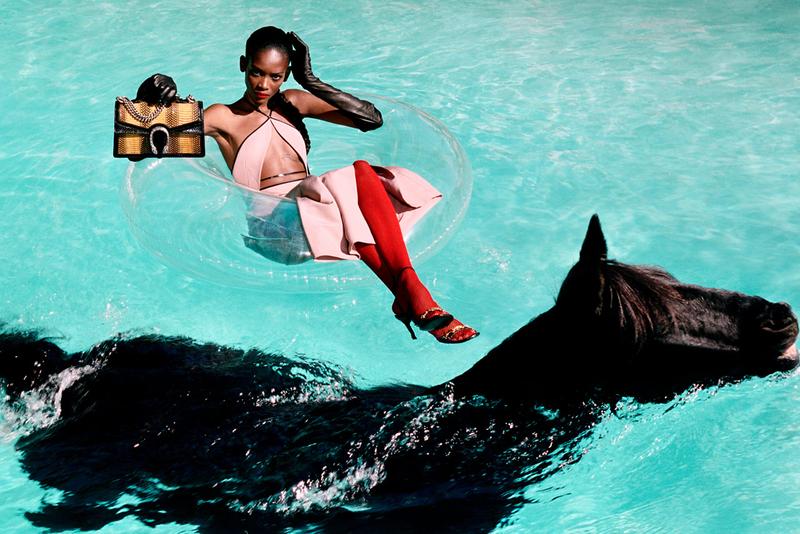
Gucci Spring 2020 ad campaign courtesy of hypebeast.com

LVMH (Möet Hennessy Louis Vuitton), the parent company of major luxury brands including its namesake Louis Vuitton, as well as Dior, and Givenchy, cut ad spending by 6.7 percent last year. Kering, the parent company of Gucci and Balenciaga, among others, cut ad spending by 7.2 percent. Even Chanel, known for spending major ad dollars on print advertising, saw a 10 percent spending cut. Calvin Klein abandoned print advertising entirely in 2019.

It’s hard for fashion brands to justify the glossy glitz of fashion magazines advertisements when staff jobs are being cut, a global health pandemic is prevalent, and editorial photoshoots are on hold. Even Vogue featured a still-life image on the cover of their June/July 2020 issue for the first time since 1962 instead of their usual celebrity cover featuring big name luxury brands (who also advertise inside the magazine).

Image courtesy of Kiely Design

Some fashion publications have even turned to a product placement approach where brands pay to have a product featured on the magazine website as either a feature or in a market roundup of products. With diminishing ad dollars, even the production costs of the covers of some magazines, including things like hair, makeup, and the photographer, are picked up by Hollywood studios and major record labels. While the fashion industry is experiencing layoffs, especially in advertising-related fields, these revenue strategies have been going on for a while. Condé Nast, the parent company of publications including Vogue, GQ, and Vanity Fair, recently laid off 100 employees. The company overall has been shrinking staff and making cuts since the Great Recession of 2008, even shuttering and selling off several publications like W and Brides.

On the digital front, social media influencers are taking a hit as well. Influencers have seen sponsorship deals cut as fashion brands now shift their focus and funds to keeping their businesses afloat. With fashion events cancelled and retail stores shutdown, influencers—once the new cornerstone of advertising—have lost major streams of revenue. Sponsored content deals have all but faded for influencers, with sponsored posts falling from representing 35 percent of influencer content in mid-February to 4 percent of creator content in mid-April, according to a report from marketing-analytics firm Launchmetrics.

Bella Hadid in Jacquemus spring 2020 image courtesy of harpersbazaar.com

Because of the COVID-19 pandemic, the fashion industry is find interesting ways to adapt to this new normal. Supermodel Bella Hadid recently starred in the first fashion campaign shot over FaceTime for the Jacquemus spring/summer 2020 campaign. The campaign, shot by Pierre-Ange Carlotti, was aptly titled “Jacquemus at home,” and one shot featured a tastefully nude Hadid with signature Jacquemus handbags. The Instagram posts of the images received over 1,000,000 likes on Hadid’s personal Instagram account.

In a March 2020 survey by GlobalWebIndex, nearly 4 in 10 US respondents aged 16 to 64 agreed that brands should continue advertising as normal during the COVID-19 pandemic, while 35 percent were neutral, and 28 percent disagreed. In another March 2020 survey from data insights company Kantar, only 8 percent of consumers said that stopping advertising should be a priority for brands, but 77 percent of respondents said they wanted advertising to “talk about how the brand is helpful in new everyday life,” and 75 percent said it should “inform about [the brand’s] efforts to face the situation.”

Bonobos has taken a new marketing approach in attempt to be more relatable to consumers. Rather than featuring influencers and athletes , the company has begun sending emails, including newsletters with viral animal videos, and satirical blog posts about people who appear in Zoom conference calls. Rent the Runway has started sending out a newsletter with things like book recommendations and poached egg tutorials, all fun things to enjoy while quarantining.

The Marc Jacobs’ brand has begun using its Instagram channels to showcase their employees work from home outfits. In China, department store InTime had employees livestreaming on social media app Taobao while locations were closed during the country’s lockdown. InTime sold $14,000 in one hour as a result, according to a Fung Business Intelligence report.

Image courtesy of newyorktimes.com

Rather than have fashion advertising cease, now is the time for brands to rethink advertising and explore new creative approaches. Employees in work-from-home outfits, relatable situations of what we’ve collectively been going through and figuring out what fashion still has the power to do in a post-COVID-19 world are all great advertising strategies.

In the short-term, fashion advertising will evolve; still this evolution must include innovative. Brands, of course, will have to get a lot smarter and more strategic about their ad dollars, but all hope is not lost. Fashion has survived the Great Depression, World War II, the Great Recession, and it will persevere through this pandemic.

—Kristopher Fraser


Gigi Moda: Making it Work, Despite the Odds

If you follow the news—and you must, it is a necessity—we are living in very perilous times. The COVID-19 pandemic continues to cause global havoc on world economies and the health of world populations. Coupled with this ongoing reversal of stability, inequality, police violence, climate disaster, and disrespect for human life have become a part of the new normal. It is not supposed to be this way!!

Despite global violent outbreaks and rumblings around the world, there are some bright spots. Sustainability in fashion is becoming the new normal. And as the old way of doing things—particularly business practices that no longer work—there is a new brand of designers/fashion brands that setting a new standard for not only how we should live our lives, but also how we dress.

Gigi Moda is one such brand. As many top fashion brands and retail giants are crumbling under the load of this new normal, Gigi Moda is experiencing success.

Francine Wathelet

That is because there is a tactile understanding of what consumers want and the changing world we are all living in. Gigi Moda also adeptly understands that sustainability is more than making product that doesn’t hurt the environment but also paying a sustainable, living wage to workers. Fashion Reverie had the great pleasure of interviewing Gigi Moda CEO Francine Wathelet about her vision, her passion, and her love of accessible fashion.

Fashion Reverie: First, let’s start with the name, Gigi Moda. How did you come up with the name?

Francine Wathelet: I love Italian fashion, and everything is made in Italian factories. So, I chose the Italian name for fashion “moda,” and “Gigi” is a common Italian name for women. I put the two Italian words together to come up with the brand name. I am Belgian and I wanted to settle in the US, develop a brand that was affordable, but styled for the American consumer and made with European craftsmanship.

FR: What is your fashion background?

Francine Wathelet: I have had other business ventures in Belgian; however, initially I did not have a career in fashion before Gigi Moda. I started my fashion venture in the US with Gigi Moda, and in just a few years we are topping 2.5 million dollars in revenue.

FR: That is incredible to have such success in a small amount of time. What do you contribute to your early success?

Francine Wathelet: I try to always source high-quality fabrics. I always employ designs that are modern and that flatter the body. Additionally, I offer product that can fit a lot of different-sized women; in other words, most of the garments are one size fits all. The sizes of the product are small, medium, large, and XL; however, I have some garments that fit all sizes. This really helped me acquire a lot of wholesale buyers because there are never sizing issues.

FR: Why did Gigi Moda go the sustainable fashion route?

Francine Wathelet: In Europe craftsmanship is extremely important and I wanted to work with very knowledgeable artisans for this brand. And my angle of sustainable is the brand employs very skilled artisans who bring traditional textile techniques and craftsmanship to the brand. I believe in fair wage, so I pay fair wages in Europe and the US to the workers.

FR: Your design aesthetic is very baja chic, West Coast. Why that point of view?

Francine Wathelet: I am based in Orange County, California. There are high-income earners in this area, so my target audience is those very well-heeled moms and female consumers. I am represented in lots of stores that carry resort wear and beach garments.

So, my collections are very novel, but for that woman who wants to be comfortable and relaxed, but chic and stylish at the same time.

FR: What are the price points?

Francine Wathelet: My price points are mid-ranged and can go upward from that. The average price of my garments is about $100. My customer wants something that is well-made, functional, and obviously designer based, but not too pricey. My price points are indexed on my customer base.

FR: How are you faring doing this COVID-19 pandemic?

Francine Wathelet: Because of how well Gigi Moda was doing before the COVID-19 pandemic, we are holding strong. Our orders are somewhat reduced because of the pandemic. Still, despite the pandemic, we are getting new buyers from all over the world.

 FR: Any changes to your business model because of the pandemic, and if so, what are the changes?

Francine Wathelet: I haven’t changed my business model; however, how we work is that we always add new garments every month. We don’t work on a seasonal collection rotation. My designs are created independently and whenever I have something new, I put it on the website. If I have an idea, we put it into production and then we make it available for consumers.

FR: What’s next for Gigi Moda?

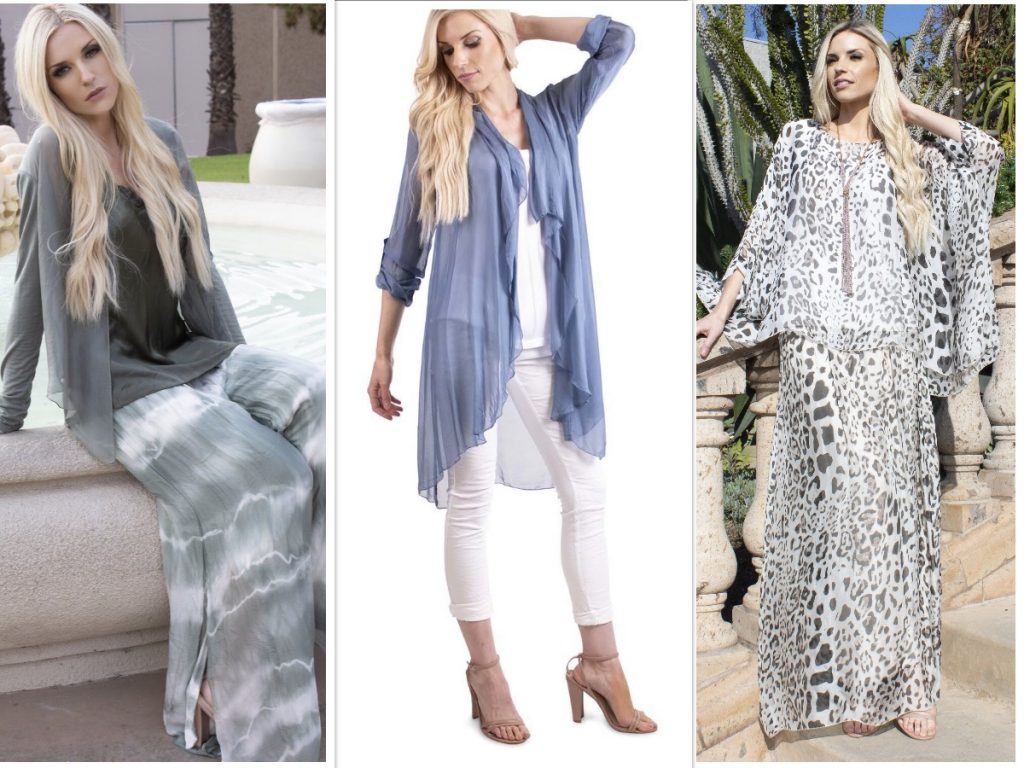
Francine Wathelet: What’s coming next is our beautiful over sized linen jackets that you can wear to the beach. I love ruffles, and we recently did a photoshoot that demonstrated my love of ruffles and linen. It is very beautiful, and we believe our customers will be impressed.

—William S. Gooch

Let Spring/Summer 2020 Athleisure Wear Be One of Your Go-To Fashion Options

Image courtesy of thesportsedit.com

As we are all going a little stir crazy from the nationwide stay-at-home advisory, there is a tiny light at the end of the tunnel—summer is officially only a month away!! Areas that have seen infection rates go down are beginning to relax restrictions, especially on outdoor exercise. You still need to wear a mask and social distance! Do it to save lives.

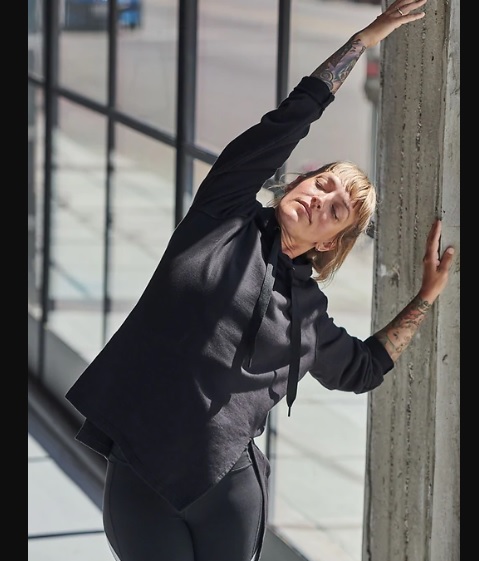
As you get back into the workout swing of things, you may want to update your fitness wardrobe. Ditch the standard gym attire of yesteryear and investigate athleisure wear- clothes that merge athletic components with lounging aesthetics. Athletic wear has come a long way, and now comfortable clothes suitable for exercising can also double as daily outerwear. Many corporate offices even permit athleisure wear since many of the items are fashionable outfits. Consult with your supervisor or HR for guidelines on dress codes.

Fashion Reverie has curated a fantastic list of places to find great athleisure wear. Links will be included so you can mail order your new duds.

Image courtesy of Patagonia

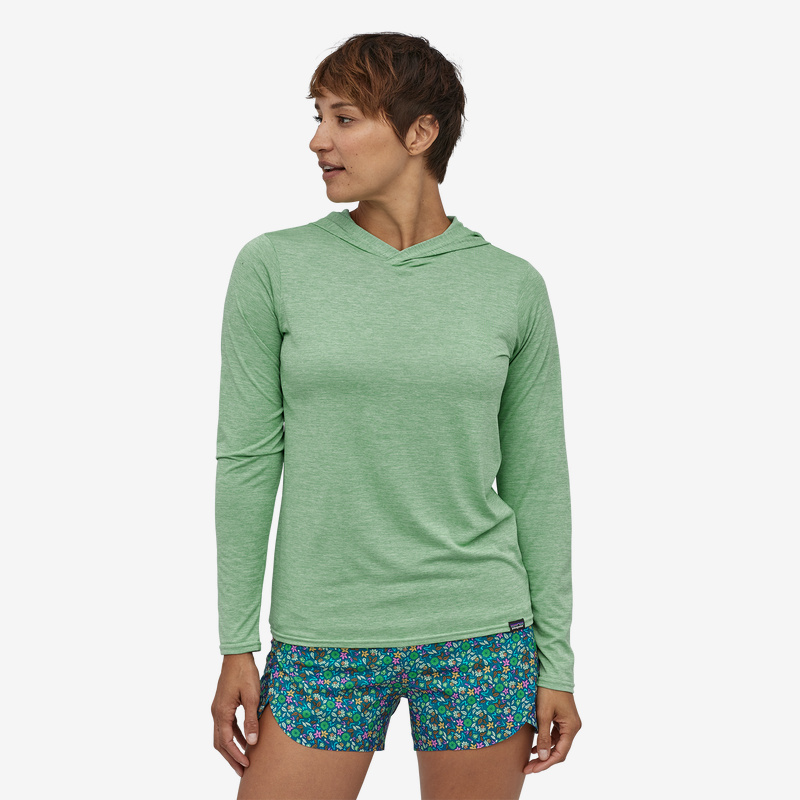
Patagonia – Men & Women

Started in 1973, Patagonia is the first name is outdoor wear and gear. Not only do they create clothing for men and women, but they also feature clothing for kids and even babies! When it comes to the outdoor life, if you can’t find it at Patagonia, it doesn’t exist! As we enter summer, be sure to check out their line of sun-protection clothing. To give customers a break during this COVID-19 pandemic, Patagonia is offering free ground shipping on all orders.

Image courtesy of Athleta

Athleta – Women

COVID-19 has almost everyone being more discerning with every dollar they spend. Looking for stylish threads at a low price? Look no further than Athleta. This company has a huge assortment of easily affordable clothes and recently added a line of cloth face masks!

Image courtesy of Universal Standard

Universal Standard – Women

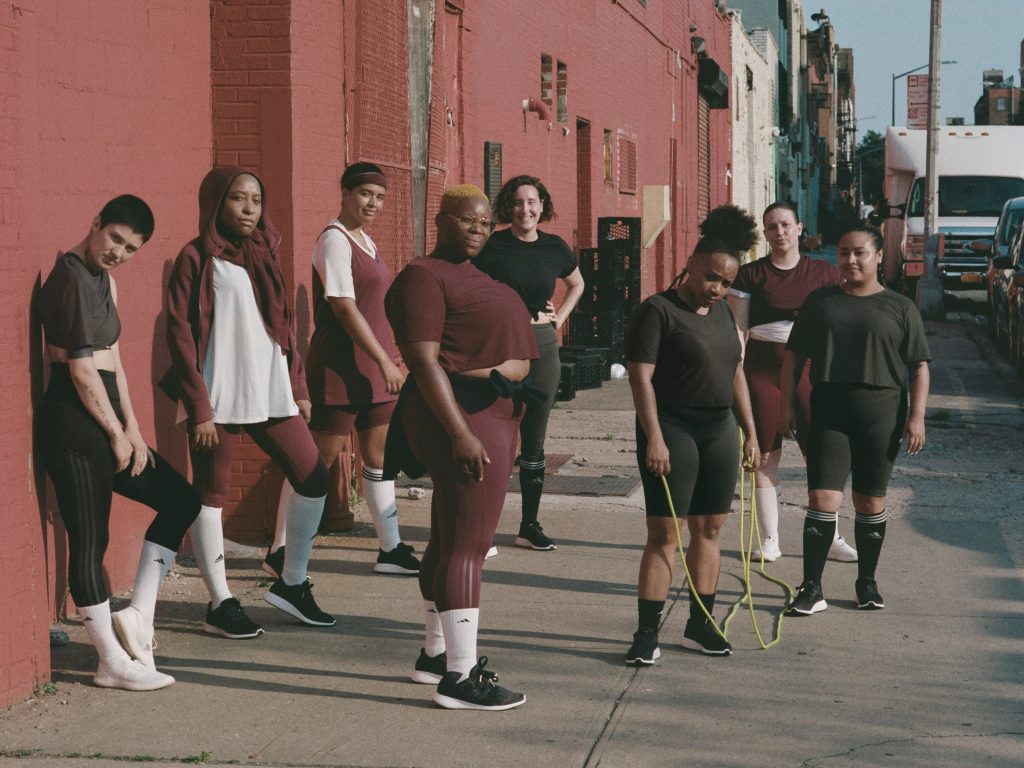
An issue for some women looking for fitness attire is the challenge that a number of brands only sell exercise clothes and leisurewear for women who are already slender! Universal Standard has a large assortment of fashionable and comfortable clothes that go all the way up to 4XL.

Image courtesy of Cos Stores

COS – Women

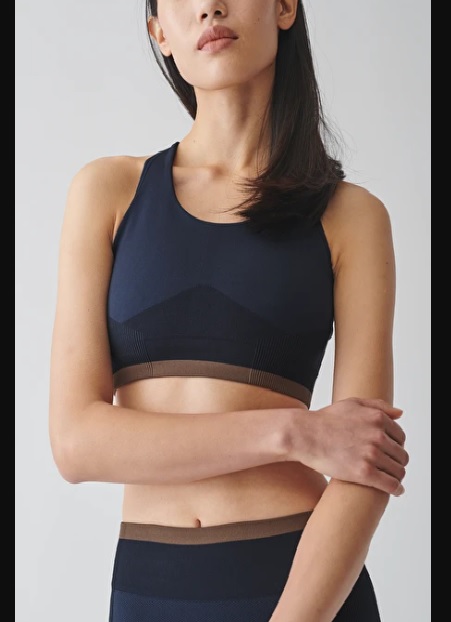
COS has launched a line of athleisure wear. Recycled polyester and nylon are used with organic cotton to create a collection that offers durable pieces that work for both athletic wear and leisure activities for fashion-conscious consumers.

Image courtesy of Girlfriend Collective

Girlfriend Collective – Women

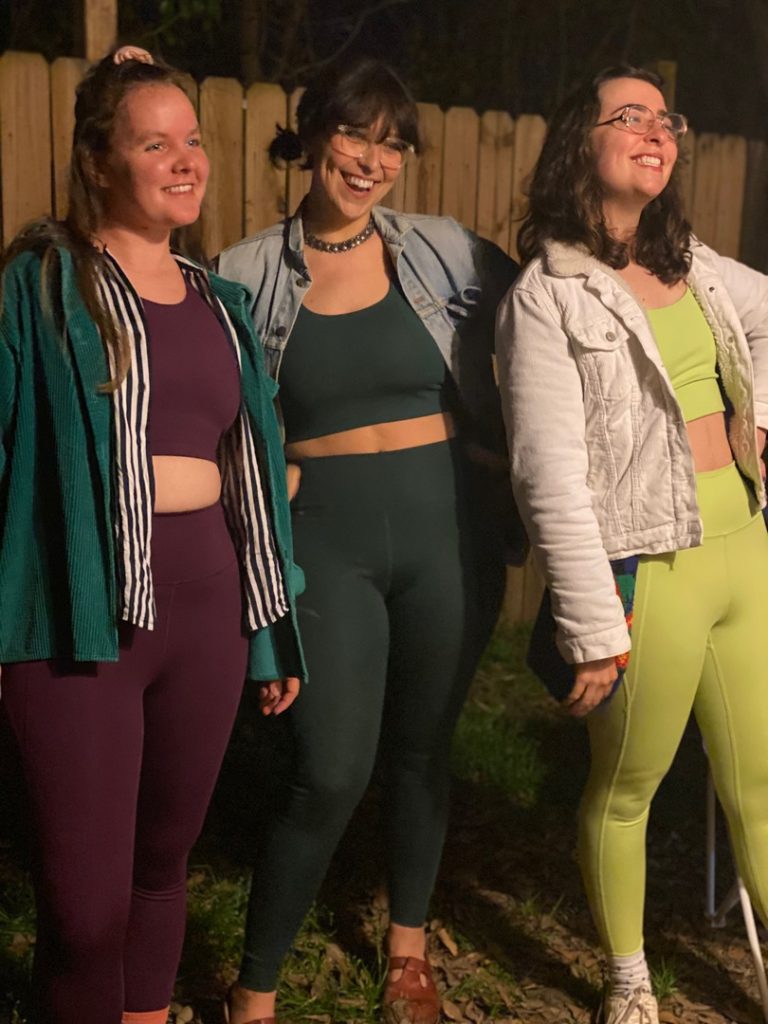
Seattle-based startup Girlfriend Collective, a woman’s only brand, began with a mission to create a fully transparent and ethical business model from the ground up. Manufacturing clothes strictly from recycled plastic, and demanding ethical working conditions without sacrificing style, Girlfriend Collective insists on inclusive representation in their models and many of their clothes go to up size 6XL!

Image courtesy of Fabletics

Fabletics – Men & Women

This activewear juggernaut features items for both men and women, including plus-size options. The company’s goal is to create fashionable, comfortable, high quality clothes at a reasonable price point. You can even take a fun “style quiz: to find your perfect workout gear.”

Image courtesy of hypebae.com

Y-3 – Men & Women

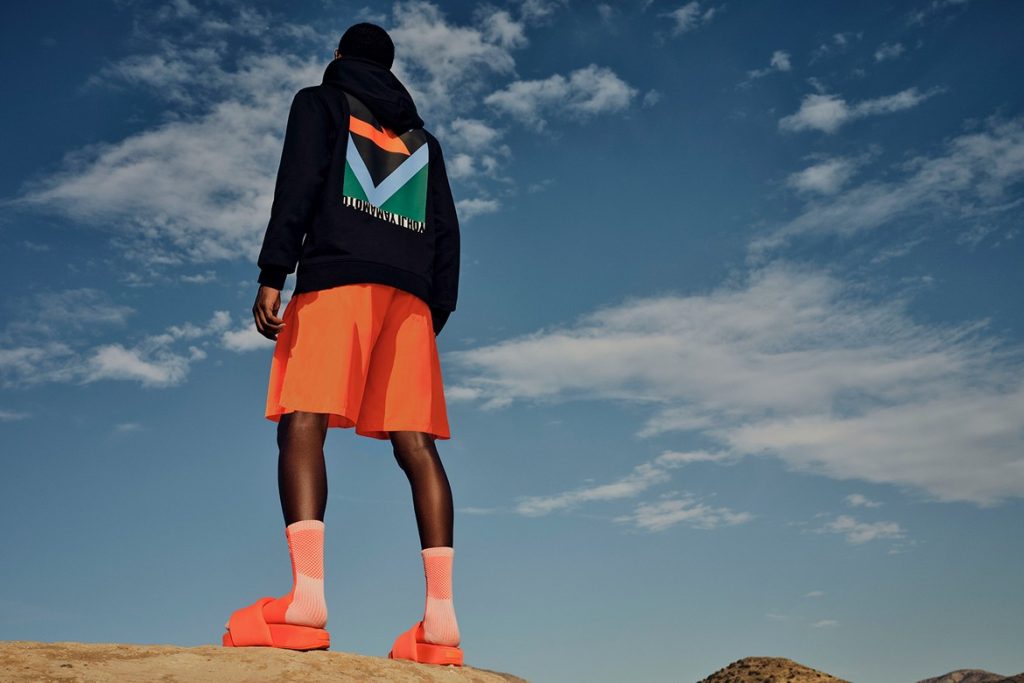
If you’re looking for something super fashionable and truly avant-garde, look no further than Y-3, the Adidas’ collaboration with Tokyo designer Yohji Yamamoto. Combining ultra- chic styling with remarkable functionality, they have married high quality with Vogue-worthy looks. These items are not inexpensive, but they will bring pure style to your workouts or your hangouts for years to come.

Cameron Grey Rose

Fashion Reverie’s Online Workout Guide

Image courtesy of theindependent.com

While the public health crisis of COVID-19 has forced everyone indoors, it has created a secondary issue for a lot of people—boredom. And that boredom has resulted in a lot of excessive snacking … and more than a few extra pounds.

Fitness enthusiasts are longing for their workout routine, but, unfortunately, most gyms are closed due to social-distancing regulations. Although restrictions are now starting to relax in some areas, heading back to the gym may not be the safest or wisest choice. If you have underlying health conditions that put you at risk, or if you live with or near people who do, the best thing to do for your community may be to stay home.

However, it is still important to get some exercise! Not only does it keep you healthy, but it can work wonders for anxiety and depression. So, what are your options? Use the tools you already have at your disposal—your home and the internet. Fashion Reverie has curated a list of online fitness alternatives that you can utilize right from your living room.

Image courtesy of youtube.com

Mirror

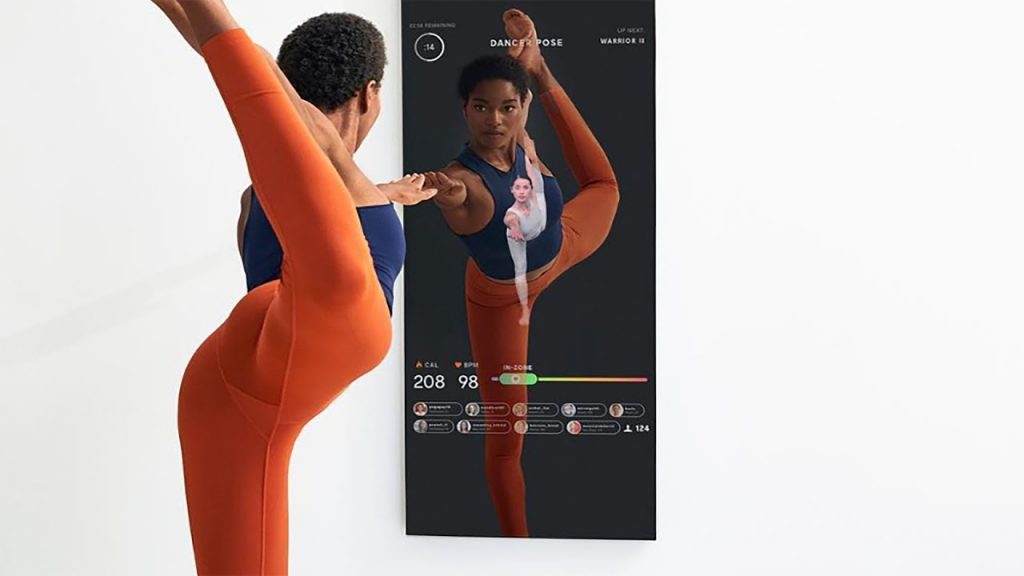
This workout option requires a substantial monetary investment of $1500 for the Mirror itself and $39 a month for classes. But the benefits are big, as it’s a body-alignment tool and virtual personal trainer all rolled into one. You can interact live with instructors, check your form, get feedback and receive personalized programs to help you meet your goals. There are dozens of classes available to download, so you can exercise whenever you want.

Image courtesy of Tone It Up

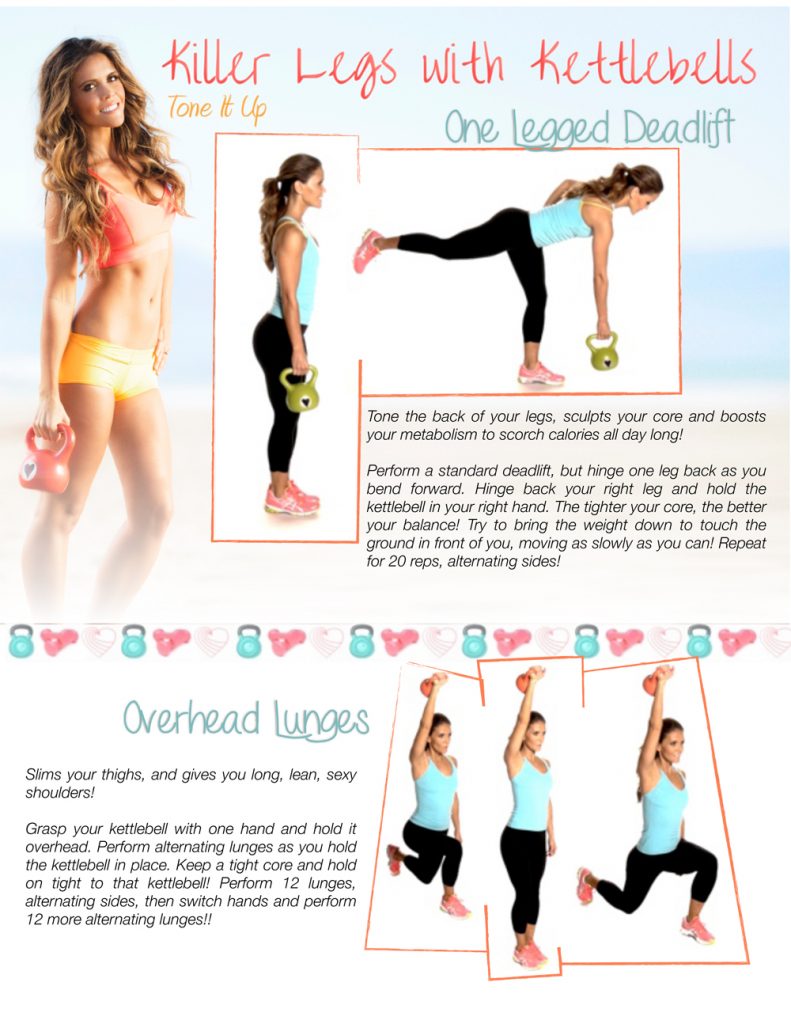
Tone It Up

Tone It Up founders Karena Dawn and Katrina Scott have built a women’s fitness empire that includes everything from protein powders to nutrition programs to exercise equipment. For $12.99 a month, they have expanded to include online classes, adding new classes every week to keep things fresh.

Image courtesy of newscollector.com

All/Out Studio

For $15 a month or $99 a year, you can access hundreds of different workouts from trusted trainers for every skill level. This is perfect for someone who wants to keep mixing it up. To challenge your muscles, experts recommend switching workouts every two months or so.

Image courtesy of Physique 57

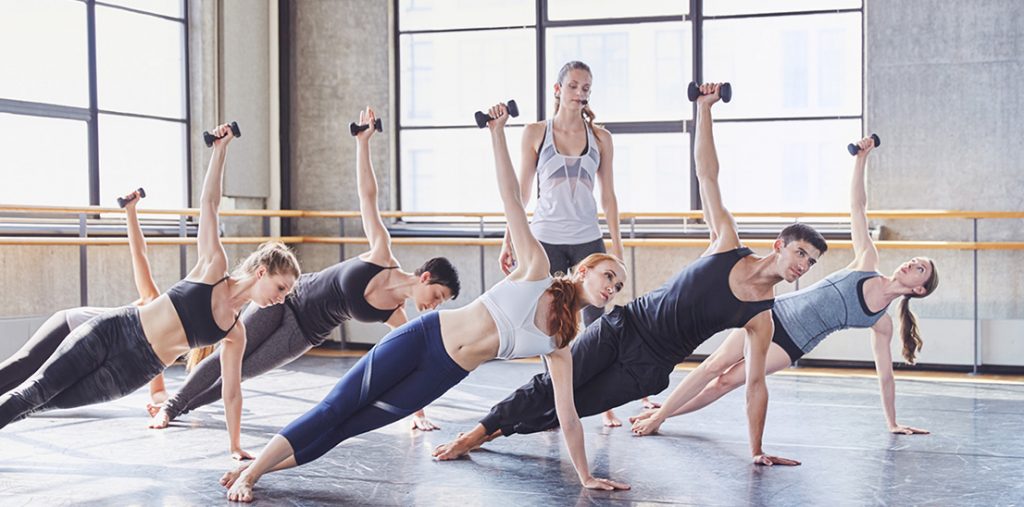
Physique 57

If you have a strong fitness base, and don’t want to lose now that your gym is closed, Physique 57 is for you. Physique 57 is a technique of constant interval training that is so hardcore most devotees report noticeable changes in their bodies after two weeks! The 57 refers to 57 minutes each workout takes. The program is $24.99 a month or $249 yearly.

Image courtesy of doyouyoga.com

DOYOUYOGA

Are you a fitness newbie who has decided to take advantage of all your free time and begin a workout routine? DOYOUYOGA has yoga classes from first-day beginners to extremely advanced. A monthly pass is only $12 or $96 for an entire year.

Image courtesy of sweat.com

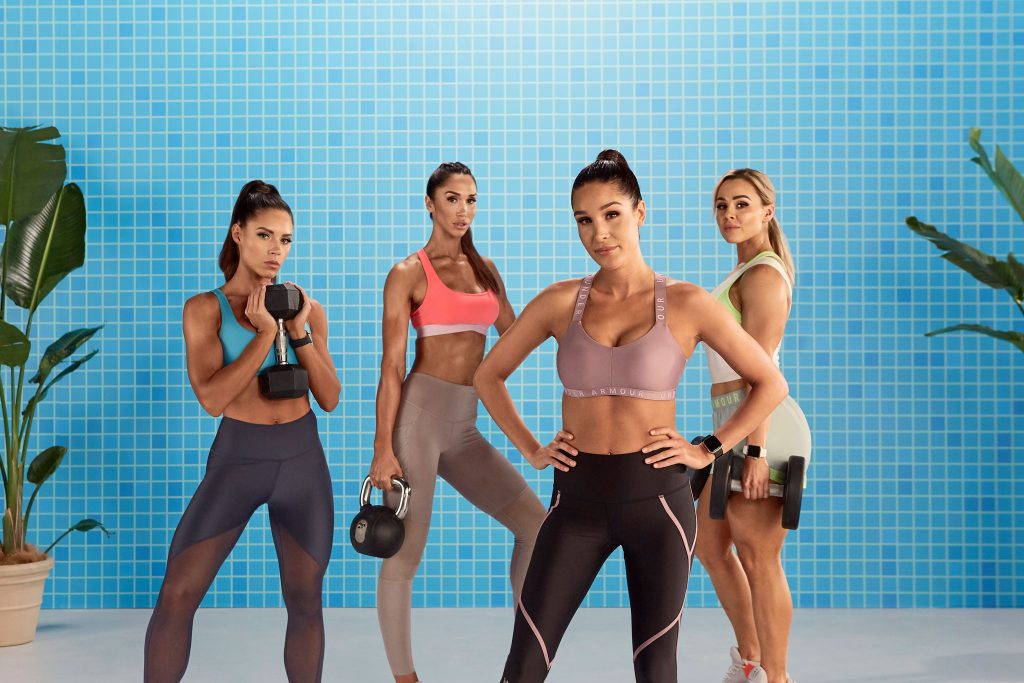
Sweat with Kayla

The Sweat with Kayla movement has exploded across Instagram in the past few years. Make no mistake about it, her workouts are tough! For $19.99 a month, she has designed programs for people of all sizes and fitness levels from post-pregnancy to powerlifting. The app also provides users with weekly clean-eating meal plans and grocery lists.

Here are a few notes to help you along. 1)You should consult with your doctor before you begin a new exercise regimen. If you’re a beginner, make sure you start slow. 2)When working out, a good way to make sure you’re not overexerting yourself is by having a conversation—if you’re too winded to talk, dial it back. 3)It sounds crazy but if you wake up horribly sore after a workout, repeating the previous days workout is actually a good way to alleviate soreness. 4)Wear loose, comfortable clothes, and have a fan ready for warmer weather to avoid overheating. 5)And be sure to drink lots of water!

—Cameron Grey

Innovation and Creativity Make Alterre the Sustainable Footwear Brand of Choice

In case you were not aware, The British Fashion Council (BFC) and the Council of Fashion Designers (CFDA) have announced sustainability initiatives. Bravo for those two fashion governing bodies!! That said; these renowned fashion organizations are late to the sustainability table. But, better late than never.

While the British Fashion Council and the CFDA have been late to the sustainability movement, other brands have injected sustainability business models to their collections for some time. Stella McCartney now utilizes sustainability models, and so does Mara Hoffman. Still, for some fashion brands, sustainability has always been a key part of how they create garments and do business.

Harmony Pilobello and Shilpa Iyengar, co-directors of sustainable footwear brand Alterre, could not imagine creating footwear without an eco-conscious footwear model in place. And for Harmony and Shilpa, sustainability goes way beyond creating non-leather product. Sustainability also includes workers receiving a living wage, cutting down on the global carbon footprint, and a host of other eco-conscious touchpoints.

Fashion Reverie was fortunate to speak with Shilpa and Harmony about their sustainable footwear line Alterre, and why sustainable fashion is quickly becoming the new normal.

Shilpa Iyengar and Harmony Pilobello

Fashion Reverie: Why sustainable shoes? What does that mean and how did you look to create sustainable shoes?

Harmony Pilobello: For us, sustainability is more than making footwear that is not leather based. We think about the effect of our production on the global community at large. We want our product to be a positive product that effects people in a positive way.

One of the reasons we did not make vegan shoes is because many vegan footwear brands use polyurethane, which is non-degradable. Our heels are made from recycled plastic.

FR: Your shoes are made in fair labor markets in Brazil. Could you talk more about that?

Shilpa Iyengar: We spent two years looking for the right manufacturer/factory and it took us a while to find the right fit. It was a challenge to find a factory that wanted to work with young women who had just launched a footwear line.

We were looking for a factory that used fair labor practices and we found that in Brazil. The workplace in Brazil is so cool; they have music playing throughout the day for the workers and most of the workers live within walking distance of the factory. This small commute advantage also cuts down of the global footprint. Also, most importantly, they pay a living wage for that region.

Because many of the workers live so close to the factory, they all know each other. So, in a sense, the factory is its own community. And that was important to us when we were looking for a manufacturer/factory to work with.

FR: Could talk a little bit more about your decision to use recycled plastic?

Harmony Pilobello: Polyurethane, which is a type of plastic coating, is used a lot in vegan products. Though vegan products may be made from non-leather materials, there is usually a layer of polyurethane applied to these non-leather products. We know that polyurethane is not biodegradable. So, even if there are good intentions, a lot of vegan brands are still making new product that hurts the environment.

FR: Harmony, you and your business partner Shilpa Iyengar both met while attending Parsons School of Design. So, how did the two of you come together to form Alterre?

Shilpa Iyengar: Well, we have the same sense of market curiosity and we also share some other oddities. We quickly realized that we bond in certain ways. We have different backgrounds, but similar sensibilities. Before we worked together on a capsule collection at Parsons, Harmony had done mostly women’s eveningwear, and some menswear. I had worked primarily on footwear. Both of us have worked on these different elements of fashion through the lens of sustainability, and that all crystallized when we worked on a capsule collection at Parsons.

FR: So, were you both on the sustainability track when you worked on the capsule collection together at Parsons?

Harmony Pilobello: I attended Parsons at a time when Timo Rissanen has just become a part of the faculty. I learned so much from him. I had always thought about working in a sustainable way, but I was not sure how to be accomplished working that way. I also worked at Patagonia as a retail assistant and that also added to my desire to work sustainability.

FR: How did you come up with the name Alterre?

Shilpa Iyengar: Alterre is a play on the words. It refers to changing and we wanted to elevate the word “alter” to alterre. It took us a while to come up with the name. But we chose “alterre” because you are altering your style buy choosing our sustainable footwear.

FR: Sustainable products are starting to get more traction on the market. What do you contribute that to?

Harmony Pilobello: I think a lot of people are beginning to understand how sustainability affects their everyday life. And with climate disaster, and even with the COVID-19 pandemic, awareness around sustainability is coming more to the fore. I would not be surprised if more people start to consider sustainability when they shop because of the many crises we are living through.

Shilpa Iyengar: There are some consumers who understand that if they are going to spend a substantial amount of money on clothes, they would like the brand to be connected to a worthy cause. This is especially true of some millennials and Gen Exers.

Harmony Pilobello: When millennials entered the workforce, the economy was not booming. So, for many millennials if their pay grade was lower, at least they felt they should be treated with some dignity. And sustainability is more than not using leather on non-biodegradable product, but also income equality and workplace ethics.

FR: What is the design aesthetic of Alterre?

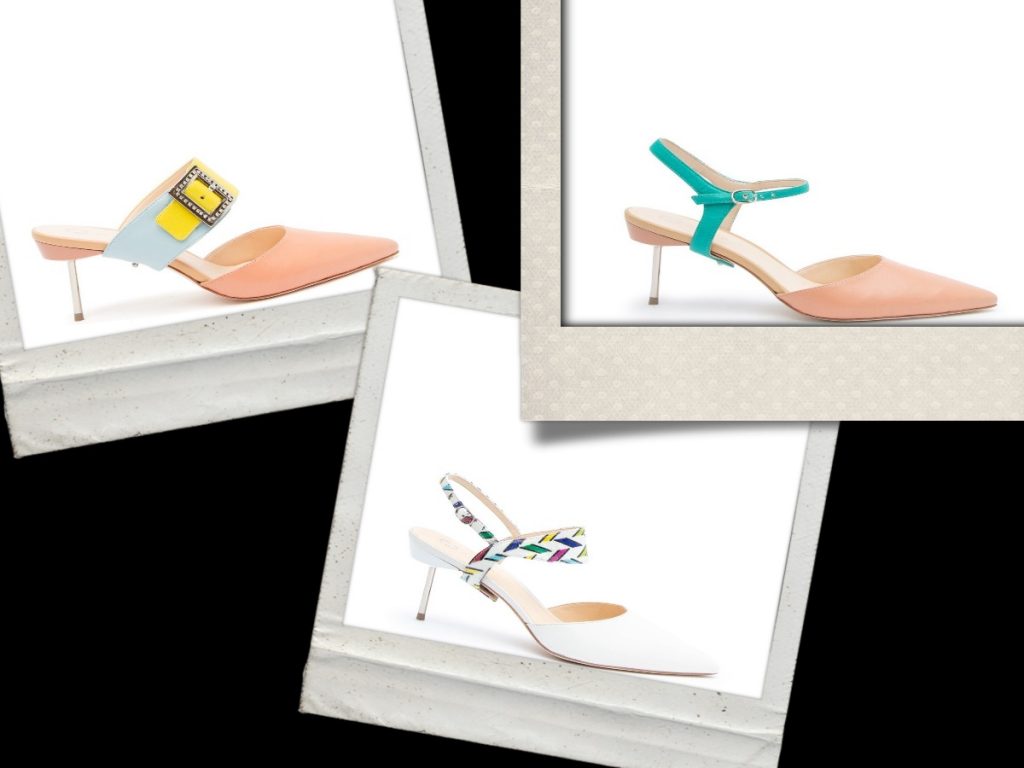
Shilpa Iyengar: It’s kind of flirty and fun. I would say our design aesthetic is bringing the best of runway to consumers, but in a more accessible way.

Harmony Pilobello: Think of our design aesthetic being for the former party girl who has grown up and become an executive. Someone who used to wear stilettoes and platform shoes when they went out on the town; but, needs to wear something more comfortable at this point in her life. However, she still wants to express her individual style.

FR: Who is your customer?

Shilpa Iyengar: Our core consumer demographic is 35 to 65 years old. That said; we do have millennial, Gen Xers, and boomers as part of our consumer base.

Harmony Pilobello: We do attract a lot of consumers who want a professional look. We also attract creative types—actors and opera singers—who need a specific look for auditions. We also have a growing demographic of moms who want to look stylish but need comfortable shoes while taking care of young children.

FR: What are your price points?

Shilpa Iyengar: Our price points start at around $200 and can range up to $600.

FR: Which shoes are your best sellers?

Shilpa Iyengar: Our slides are probably our best sellers—particularly our animal print slides. Our mules are also getting a lot of market traction.

FR: What was the inspiration for your spring 2020 collection?

Shilpa Iyengar: The inspiration behind our spring 2020 collection was Coco Beach, Florida. This collection was a nod to the 1960s space age and the fashion you saw in nightclubs in South Florida. You know the classic TV series “I Dream of Jeannie.” There are lots of pops of color and just a fun, frolicky feel to the collection.

FR: Your design aesthetic includes placing little embellishments on shoes. Could you talk about that?

Harmony Pilobello: Those embellishments are partially trend based which I found in the research I do every season. And from the spring 2020 trend forecasting, we decided to add some special embellishments to the shoes.

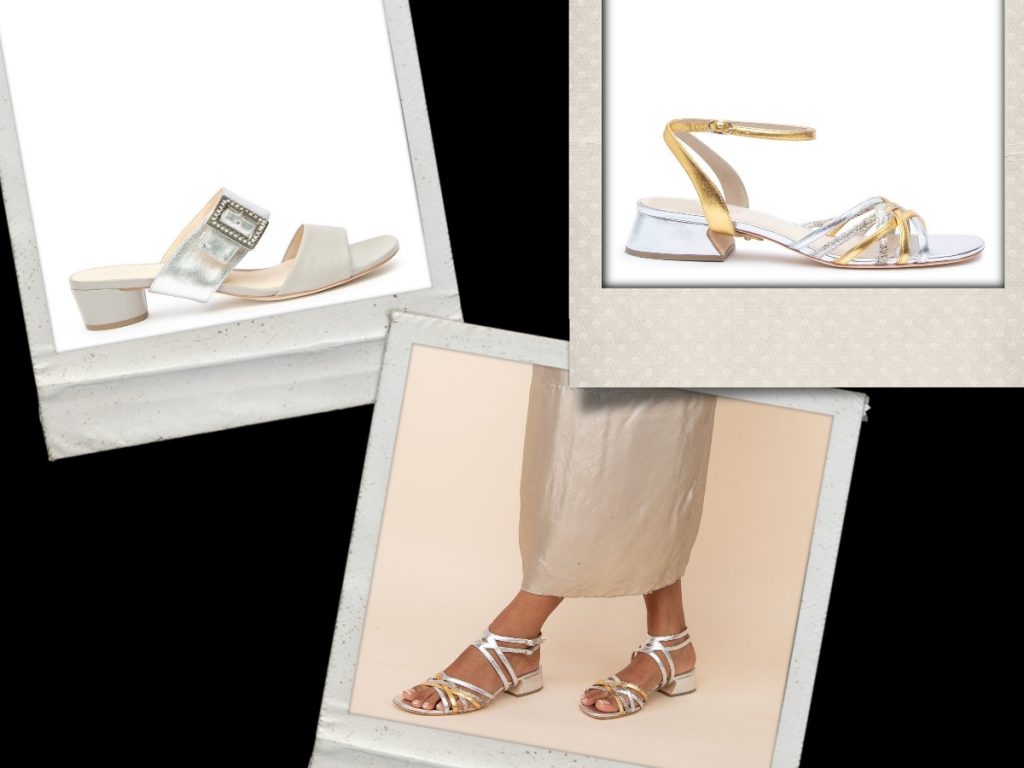
Shilpa Iyengar: The embellishment—some are detachable—on our shoes can be changed and mixed and matched to different shoes in the collection. Some of the straps are detachable and some of the charms are detachable. You can also put the detachable ones on other accessories.

All images courtesy of Alterre

FR: How has COVID-19 affected your business?

Harmony Pilobello: Shoes are the thought about when you are working from home. The best part of being a small business is that there are so many components that we don’t have to worry about. As a small business, sometimes you can pivot very quickly and come up with backup plans when there is a major shift in the industry.

In 2019, Alterre got a lot more traction than in previous years. And when COVID-19 hit, we had to figure out how we could come out of this crisis in good shape.

Shilpa Iyengar: Like Harmony detailed, we are usually extremely busy this time of the season. So, since everything has slowed down, this lull has given us time to work on some things we never have time to work on.

Harmony Pilobello: One of the things that we’ve been concentrating on since COVID-19 is getting our shoes into video games. That was already happening before this health crisis. We were looking for ways to connect to different communities, and this opportunity presented itself.

Sixty percent of gamers use avatars. And some like to dress those avatars in specific clothing. Other gamers can see and comment on what avatars are wearing. Believe it or not, this can lead to sales because many gamers want to dress like their avatars or avatars they like.

We have just partnered with a gaming company to dress avatars. We feel this is a great opportunity because a lot of gamers are staying home more because of this pandemic and playing more online games. Some of these games have events, balls, parties, etc. and gamers dress their avatars to go to these invited events.

Because we are a small business, we can make the shift to something like this without a lot of fuss and muss. That said; there are some good things coming out of this crisis.

—William S. Gooch

Copyright © 2012-2025 | Fashion Reverie Publications, LLC - All Rights Reserved