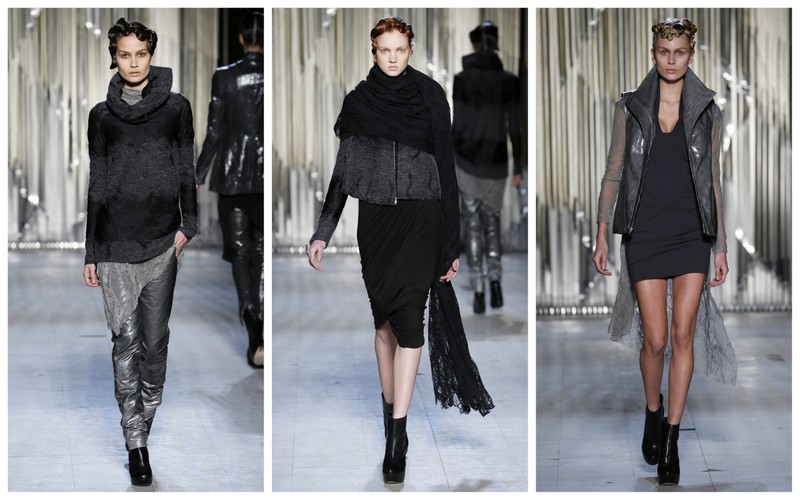
 When you have fashion icon, Anna Wintour sitting in the front row, it’s safe to say that this collection was looking to leave an unforgettable impression for not only the audience but industry professionals who can promote or stultify a career. Studying the complexities of the human psyche, animals and insects gave Kimberly Ovtiz inspiration for her new multi-layered collection this season. She says she “explored the intricacies of the illusional protection systems seen in animals and insects” and her academic excursion gave her the idea for a unique concept for her stylish, chic designs. Her research helped her shape a collection that takes you through a shadowy journey using abstract prints against a dark color palette of blue, grey, and black to illustrate a high-end collection of clothes right out the space-age.
Images courtesy of wwd.com
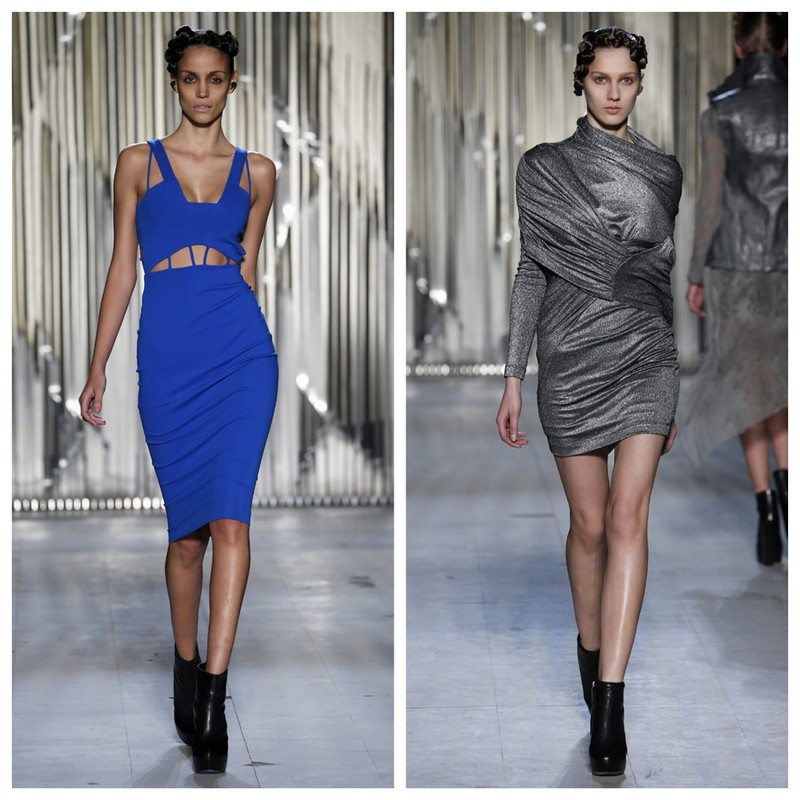
The feminine silhouettes morphed from a sexier aesthetic to some of the more body-conscious designs. Two standout electric blue cutout mini dresses were the talk of the front row that seemed out of place in the otherwise fluid collection. Ovitz’s peculiar concept inspired a creative assortment of daring, innovative ready-to-wear items for the quirky fashionista.
—Dana E. Givens
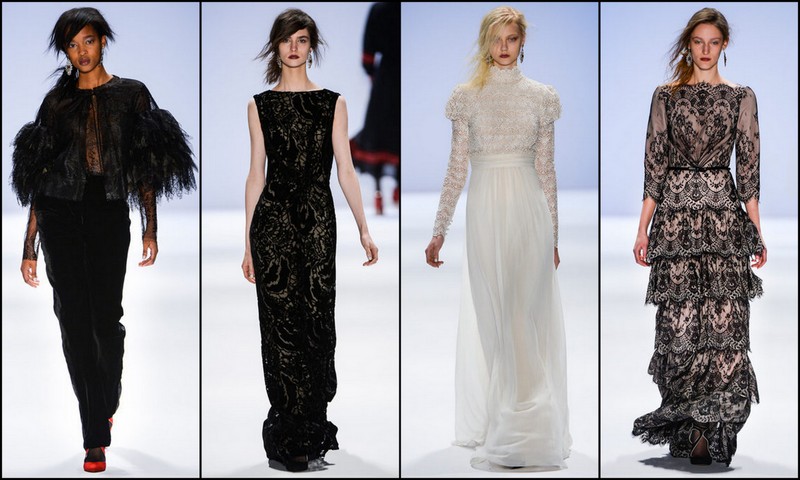
 For over a decade now, Tadashi Shoji has been one of the go-to designers for red carpet and formal looks. However, this season Shoji turned his focus more toward innovative new fabrics such as neoprene and looks that were not solely for the red carpet or formal events.
 In stride with collections of the past few seasons, Shoji still has a predilection for lace-embellished fabrications combined with diaphanous fabrics, and is this collection, velvet. Still, Shoji expertly has expanded upon the lace trend by mixing in different fabrications and choosing different feminine silhouettes each season. This season the silhouette of choice was high-necked gowns with ‘czarina’ sleeves, also-simple A-line dresses with lots of volume in the back, and Russian-inspired turn-of-the-century gowns.
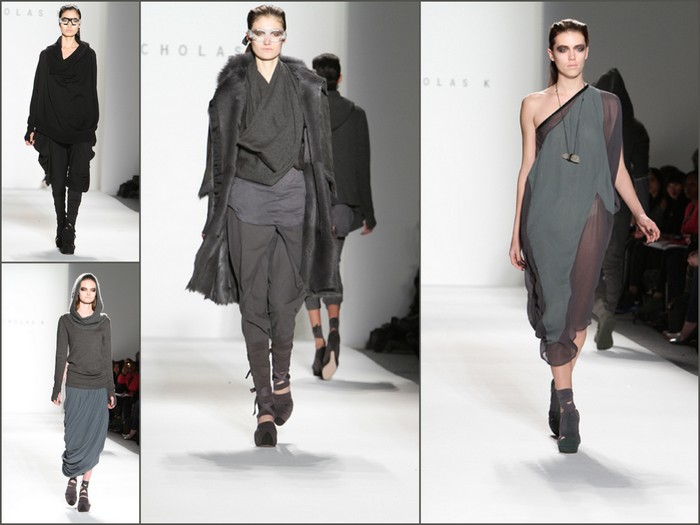
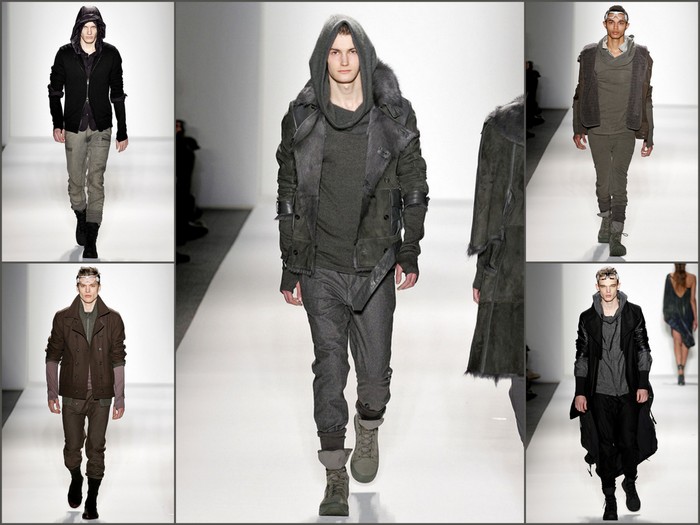
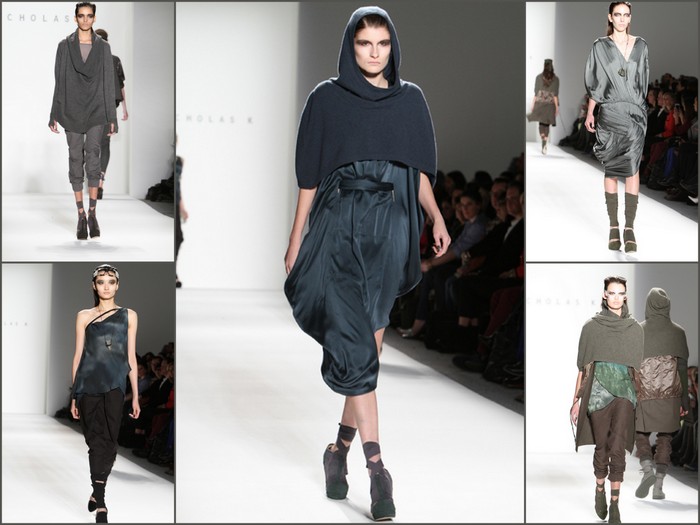 Season after season, Nicholas Kunz finds inventive ways to expand upon the draped, boho-chic, layered aesthetic of the brand. Though praise should be given for this accomplishment, for fall/winter 2013 the signature look of Nicholas K seems to be relying too heavily on what has worked in the past without much direction toward what consumers currently want to buy.
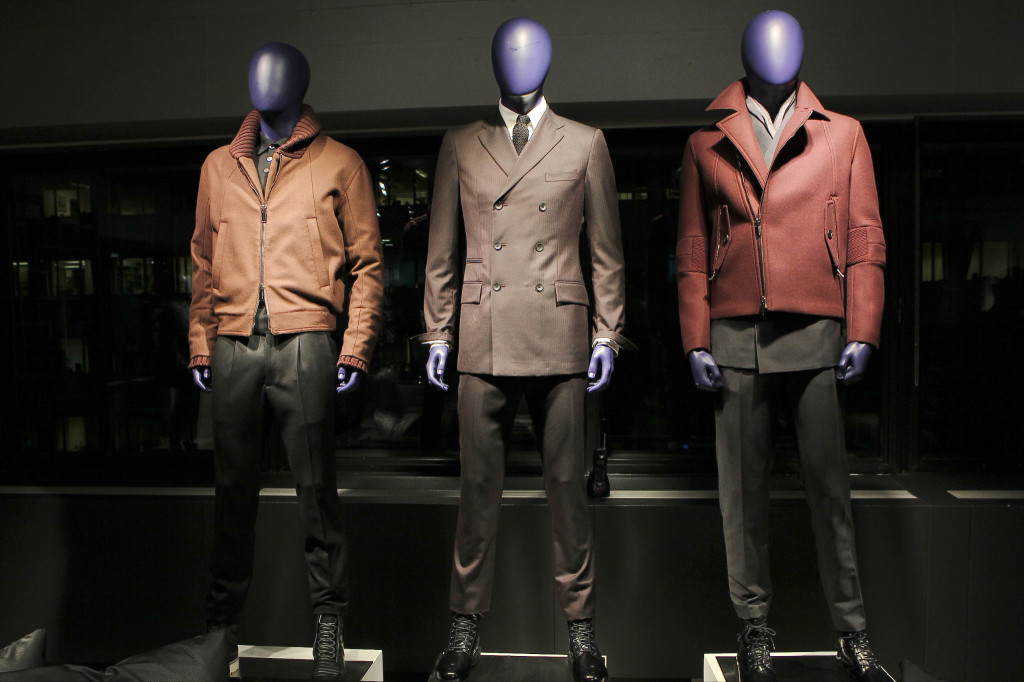 For fall/winter 2013 Joseph Abboud opted for a presentation minus the top models we have come to expect from previous outings. Instead, this season creative director Bernado Rojo kept it very simple by placing this fantastic collection on mannequins. Though Rojo’s fans and photographers would have been thrilled to see his collection on live models, the collection, as a whole, was so outstanding that the model-free presentation was not diminished by the lack of live male models.
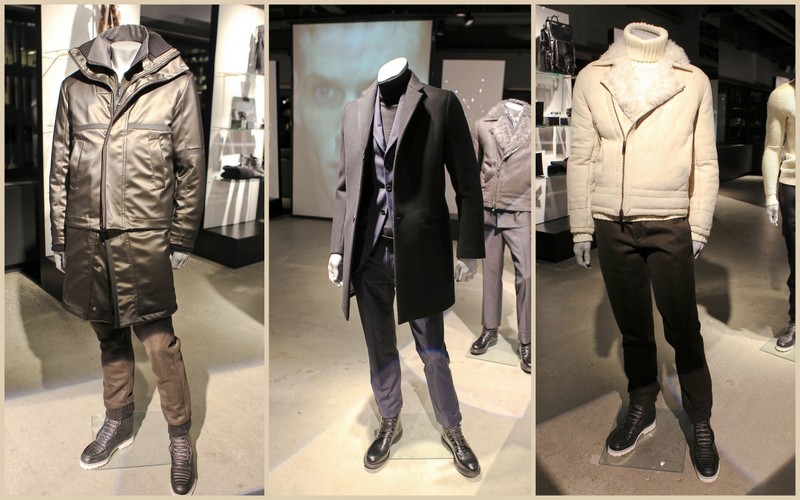
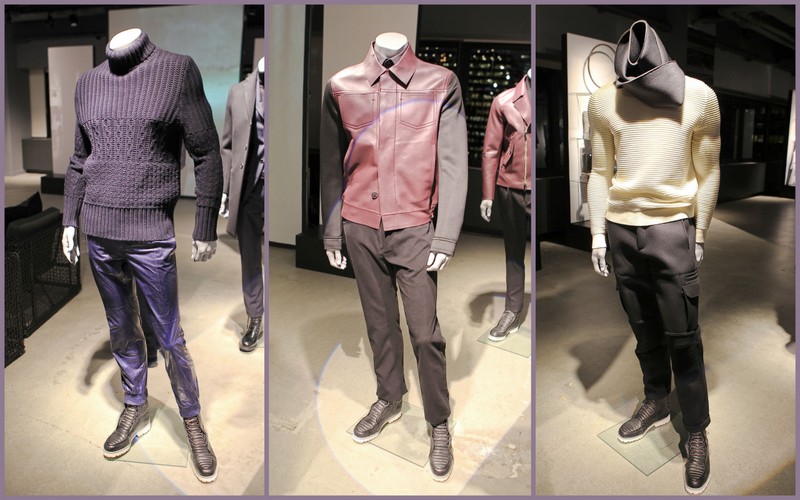 In this outing, Rojo sought to capture the American spirit of adventure as seen through the explorative, innovative 1960s. Imagine NASA’s Space Program, man’s first walk on the moon, the futuristic white curves of TWA’s Flight Center. “It is about precision in design, purity of lines, and genuine utility to garments, capturing the mood of an iconic moment in American ingenuity, while looking towards technology’s ever-changing future,” details Rojo.
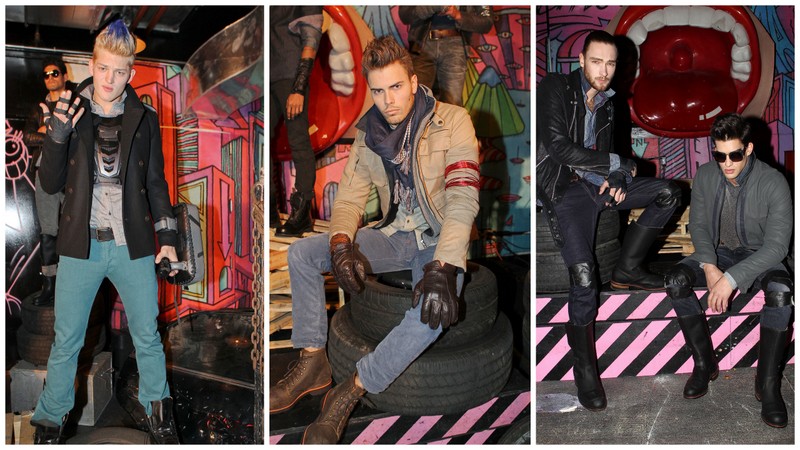 Gilded Age creative director Stefan Miljanic always looks to explore casual menswear through a prism of climate extremes. A couple of seasons ago, Miljanic referenced North Pole explorations in a collection that included interesting Nordic weaving patterns in sweaters and outwear mixed with shearling coats and thigh-high boots.
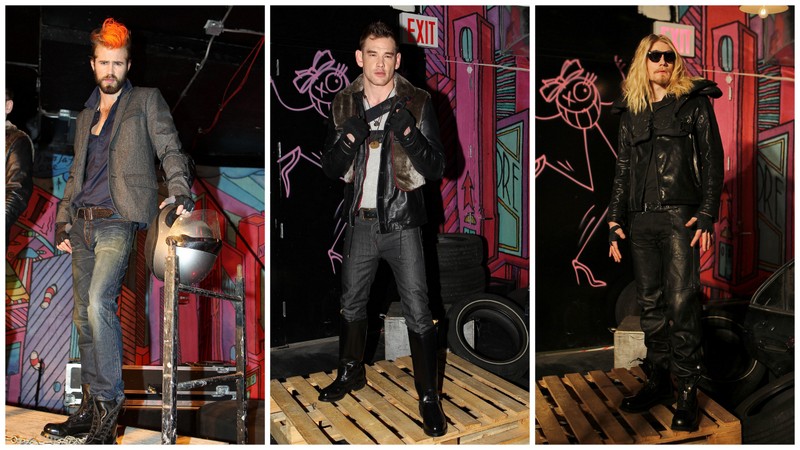 Miljanic used the background of the dingy Bowery bar, Chez André, as the setting for his exploration into post-apocalyptic menswear. Though this collection relied heavily on a palette of grey, black and other neutrals, Miljanic did through in some pale orange, rustic red and shades of muted blue, elevating the collection to beyond just another walk on the wild side.
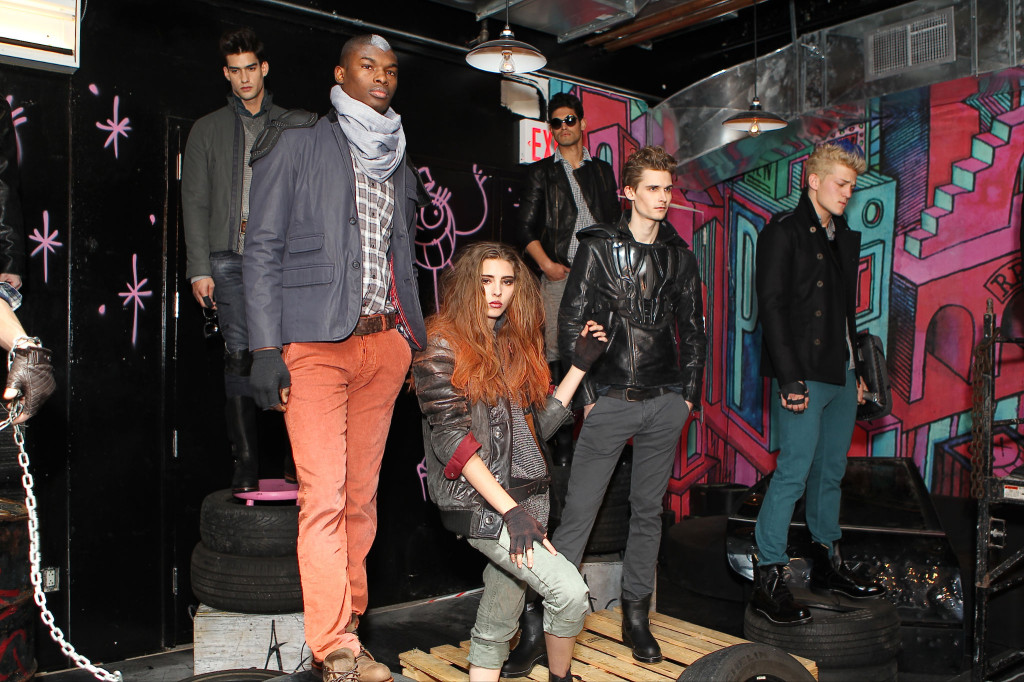
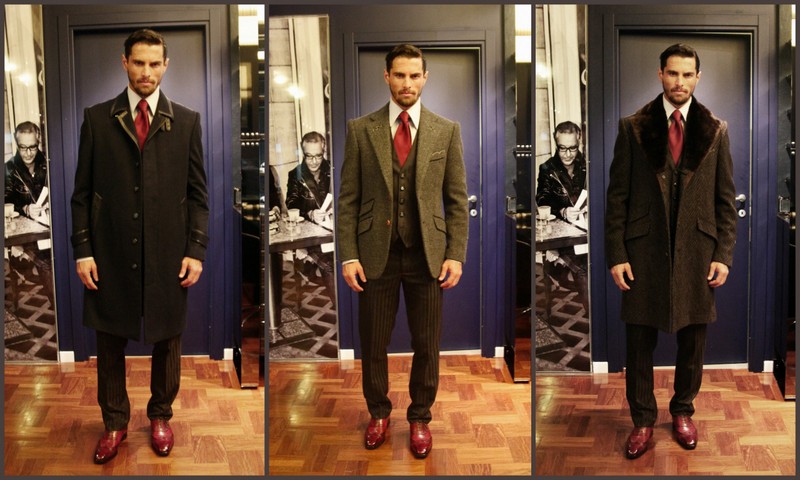
 Angelo Galasso’s evolution from primarily a men’s couture shirt designer to a ready-to-wear menswear designer of note is nothing short of revolutionary. It has been well documented that expanding a brand to include ready-to-wear collections is not an easy process. Many European couture houses have struggled with that transition, and it usually takes years to get it just right. Still, Galasso, in a relatively short amount of time, has handily adapted his design aesthetic to include ready-to-wear garments that a variety of men with deep pockets would want to wear.