Photos courtesy of fashionista.com
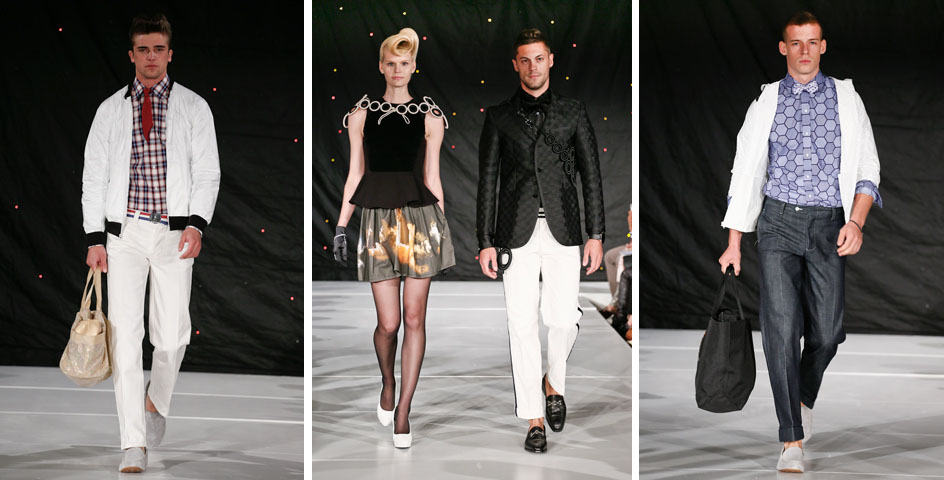
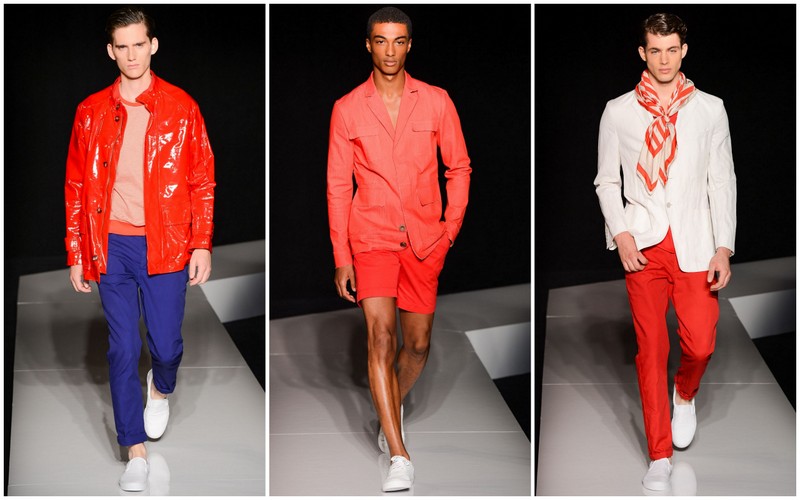
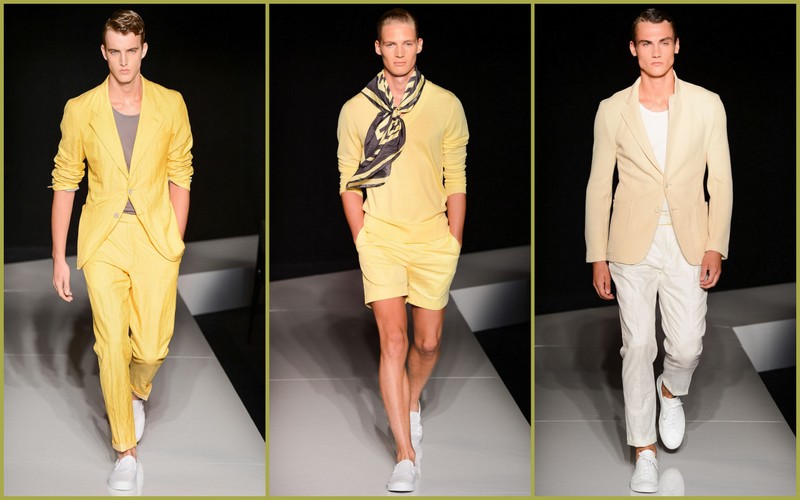
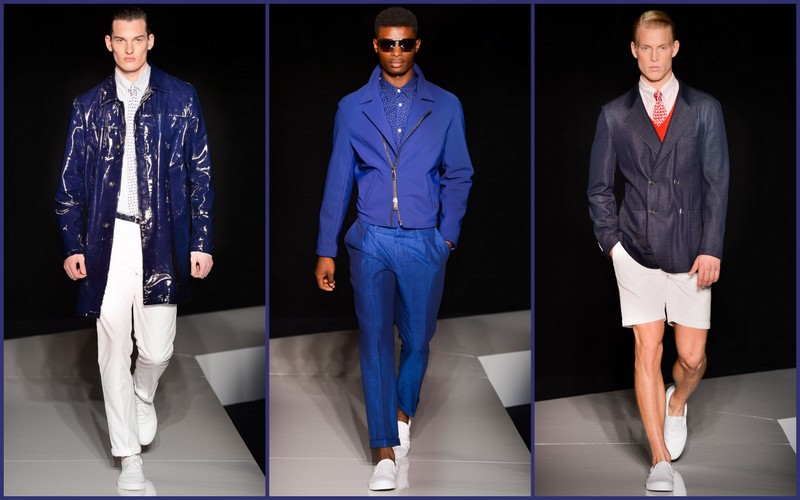
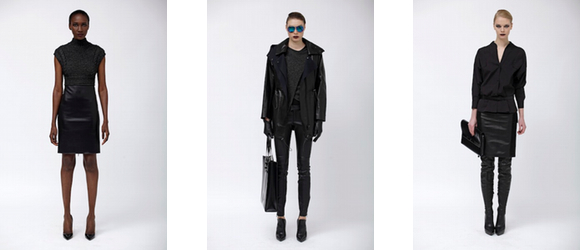
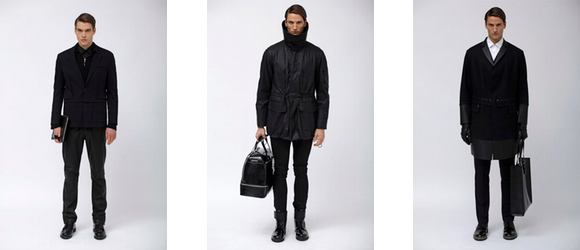
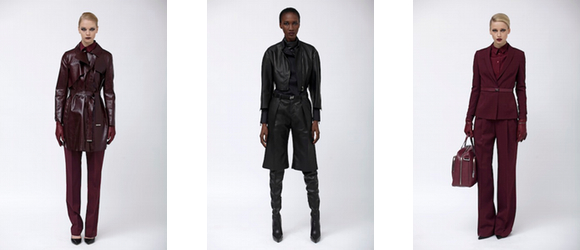
Porsche Design took their fall/winter collection in a more minimalist direction with a structural aesthetic in mind. Just like many of their sports cars, this collection was slick, sexy and sleek. Creative director Thomas Steinbruck showcased a black neutral palette into suits, parkas, and duffle coats.
Photos courtesy of fashionista.com
Titled“The Urban Modernist”, there was a very structural reference to 50s Russian communist architecture. Anorak and toggle coats were used to modernize utility while incorporating various pieces of leather and nylon.
Photos courtesy of fashionista.com
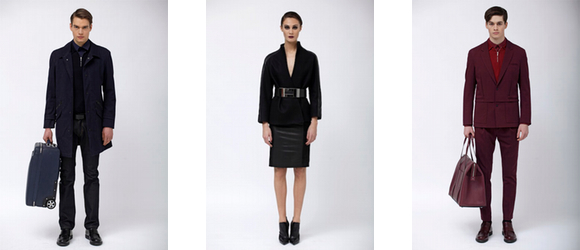
The garment’s detailing is what will make this collection one of the go-to collection this fall. Double lapels and straight-edged shoulders show design detailing at its finest with puffer jackets using dramatic collars giving volume to several pieces in the collection.
Porsche Design’s attention to detail extended even to its accessories. From leather bags to sleek duffels, the accessories were just as award winning as the collection itself. Many of the bags were unisex in design making them a classic addition to any fashionista’s closet.
Photos courtesy of fashionista.com
Steinbruck also incorporated two other colors, majolica blue and windsor wine, that added a more trendy, editorial point of view to the collection. This added color palette did not derail Porsche’s signature look or point view, but only added a sense of versatility and more options to the brand’s consumer base.
—Cory Orlando
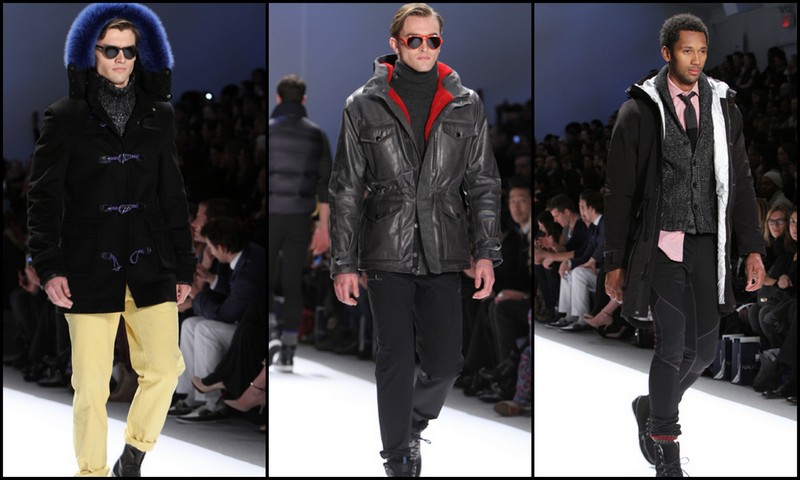 For its 30th Anniversary Nautica did something it hasn’t done in a long time; a runway show during Mercedes-Benz Fashion Week. And they chose the stage arena at Lincoln Center to celebrate their anniversary.
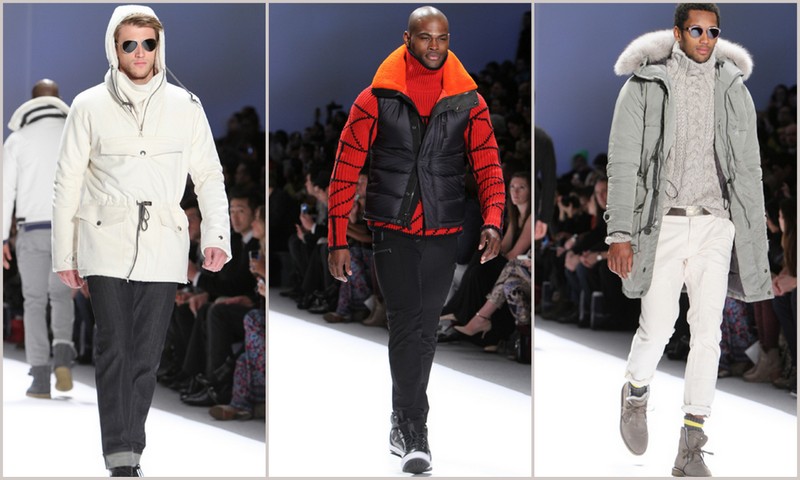 Creative director Chris Cox looked to the seafaring expeditions of Artic explorer Sir Ernest Shackleton for inspiration. This reference was evidenced in fur-trimmed parkas and other outerwear with fur. There was also a substantial amount of vibrant colors in this collection, from bright yellow and variations on red and rust orange to the standard Nautica blue.
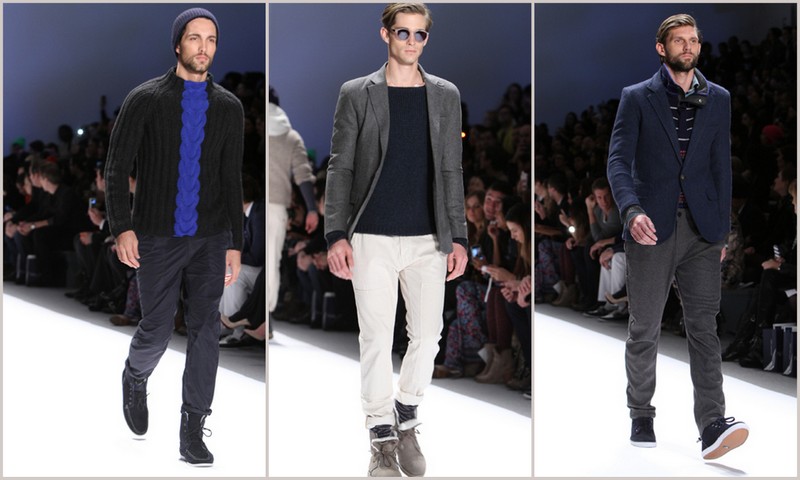
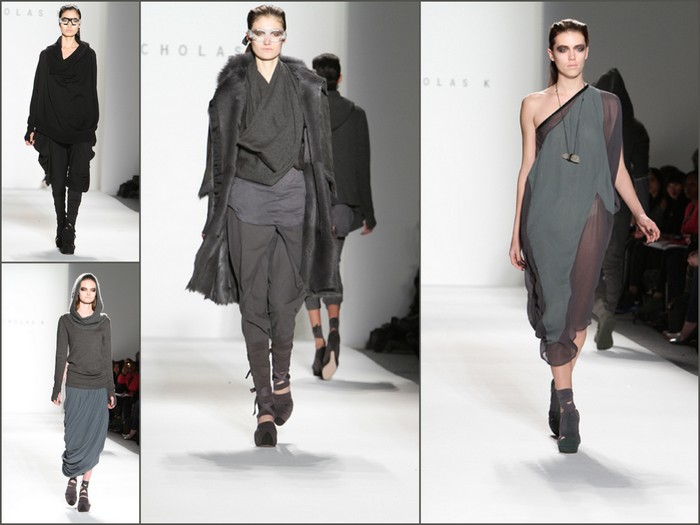
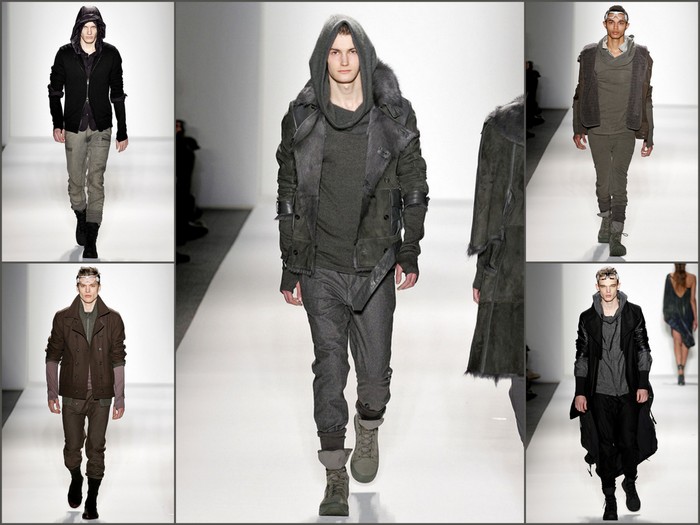
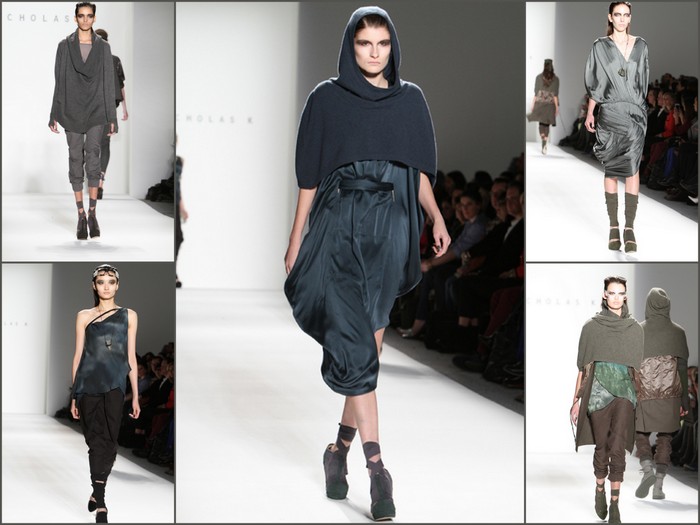 Season after season, Nicholas Kunz finds inventive ways to expand upon the draped, boho-chic, layered aesthetic of the brand. Though praise should be given for this accomplishment, for fall/winter 2013 the signature look of Nicholas K seems to be relying too heavily on what has worked in the past without much direction toward what consumers currently want to buy.
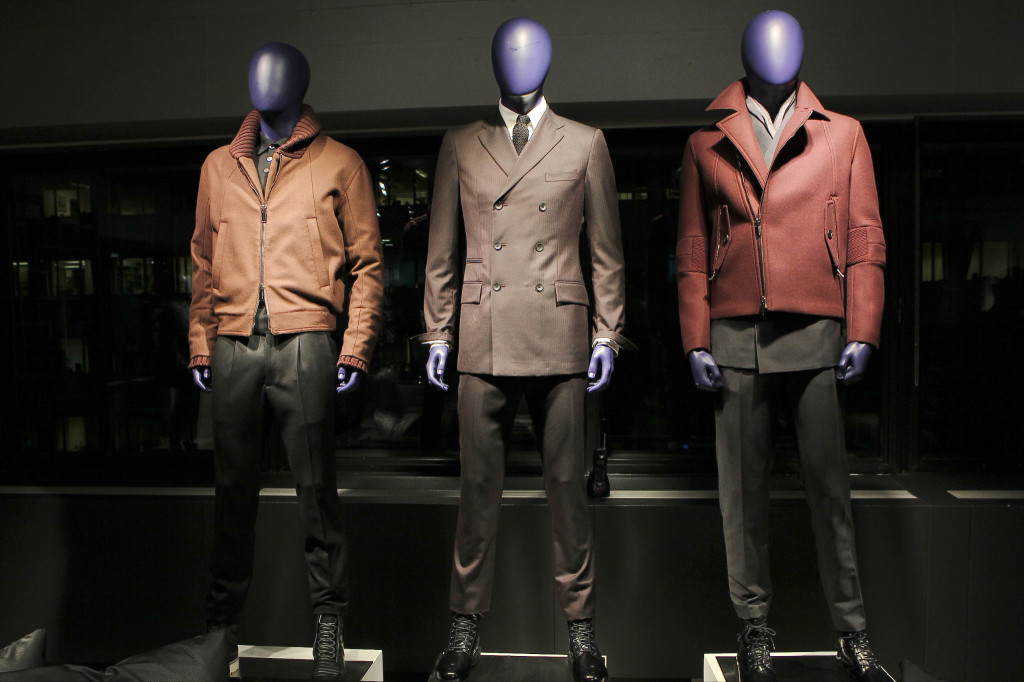 For fall/winter 2013 Joseph Abboud opted for a presentation minus the top models we have come to expect from previous outings. Instead, this season creative director Bernado Rojo kept it very simple by placing this fantastic collection on mannequins. Though Rojo’s fans and photographers would have been thrilled to see his collection on live models, the collection, as a whole, was so outstanding that the model-free presentation was not diminished by the lack of live male models.
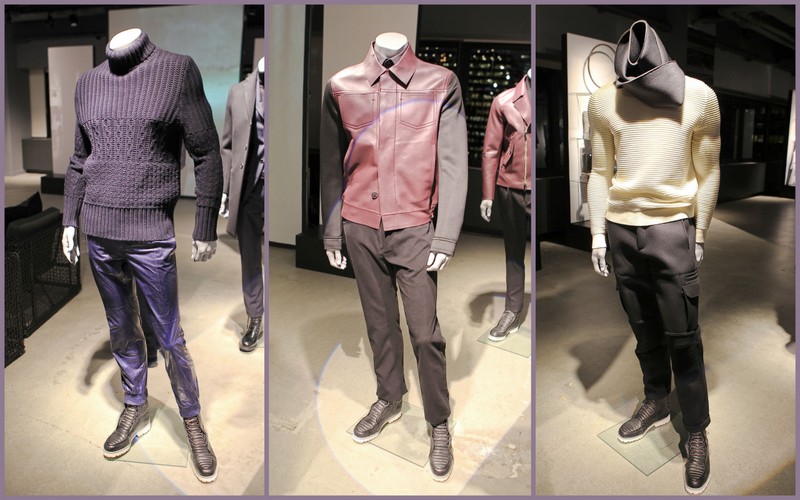 In this outing, Rojo sought to capture the American spirit of adventure as seen through the explorative, innovative 1960s. Imagine NASA’s Space Program, man’s first walk on the moon, the futuristic white curves of TWA’s Flight Center. “It is about precision in design, purity of lines, and genuine utility to garments, capturing the mood of an iconic moment in American ingenuity, while looking towards technology’s ever-changing future,” details Rojo.
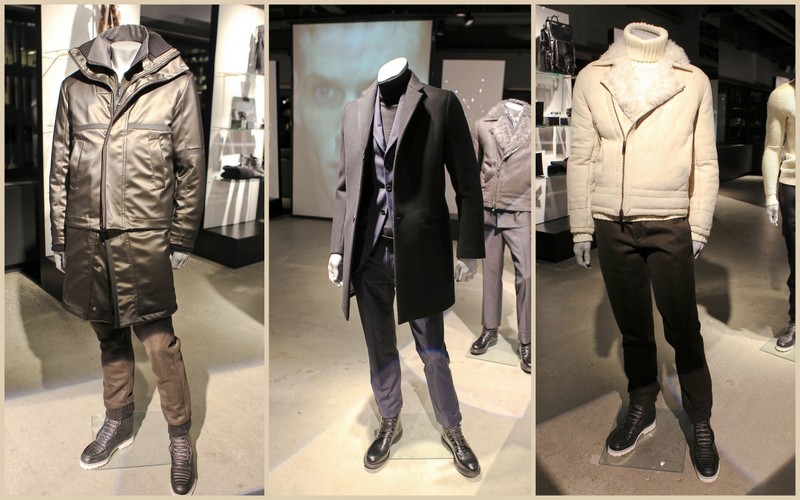
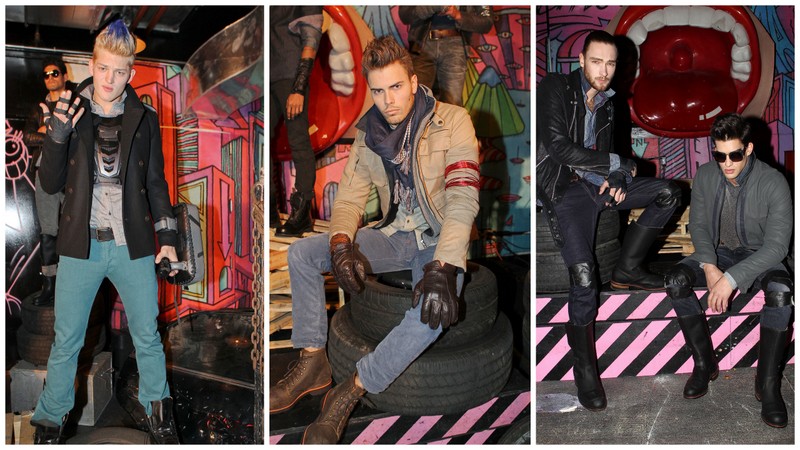 Gilded Age creative director Stefan Miljanic always looks to explore casual menswear through a prism of climate extremes. A couple of seasons ago, Miljanic referenced North Pole explorations in a collection that included interesting Nordic weaving patterns in sweaters and outwear mixed with shearling coats and thigh-high boots.
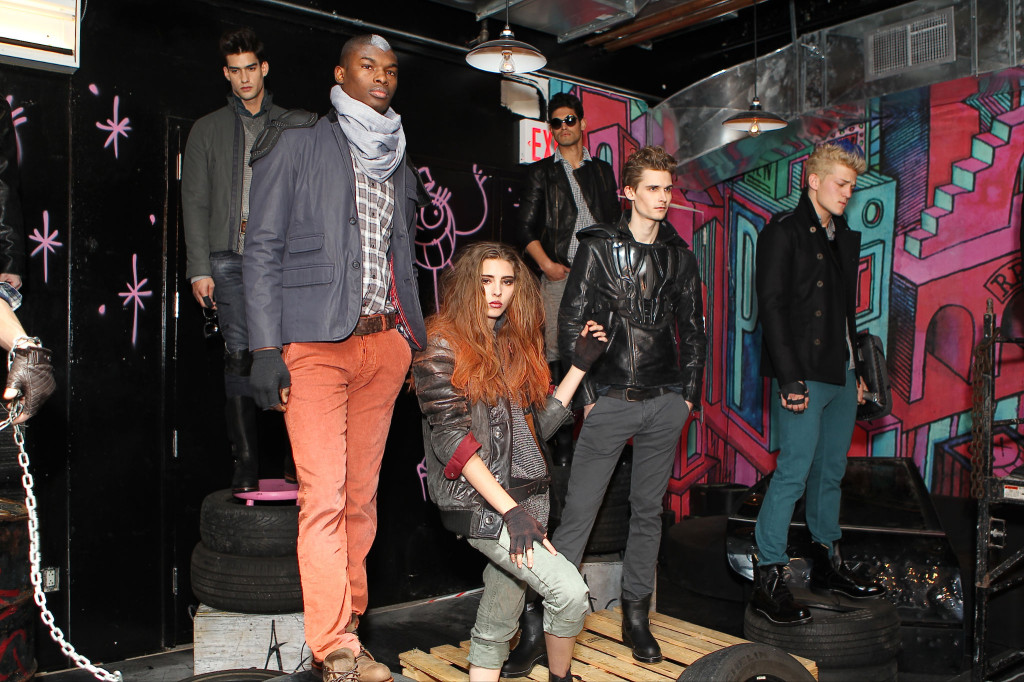
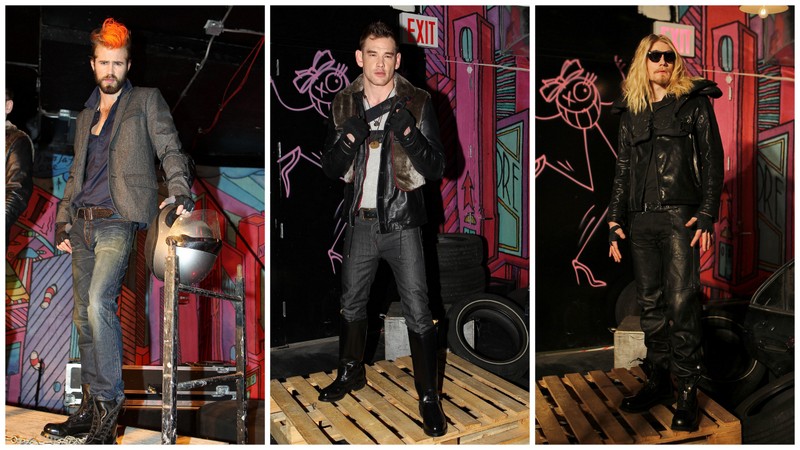 Miljanic used the background of the dingy Bowery bar, Chez André, as the setting for his exploration into post-apocalyptic menswear. Though this collection relied heavily on a palette of grey, black and other neutrals, Miljanic did through in some pale orange, rustic red and shades of muted blue, elevating the collection to beyond just another walk on the wild side.
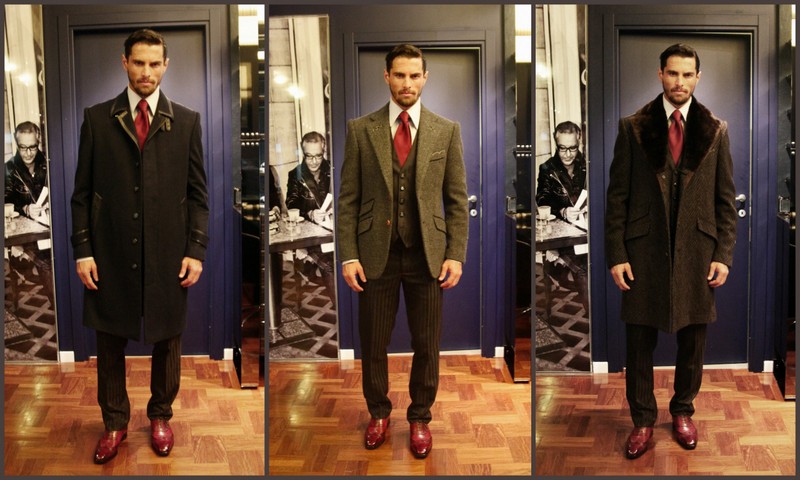
 Angelo Galasso’s evolution from primarily a men’s couture shirt designer to a ready-to-wear menswear designer of note is nothing short of revolutionary. It has been well documented that expanding a brand to include ready-to-wear collections is not an easy process. Many European couture houses have struggled with that transition, and it usually takes years to get it just right. Still, Galasso, in a relatively short amount of time, has handily adapted his design aesthetic to include ready-to-wear garments that a variety of men with deep pockets would want to wear.