New York Fashion Week Venues Expand Beyond “The Tents”

Image courtesy of style.com

Image courtesy of style.com

There’s more to New York Fashion Week than “The Tents” at Lincoln Center.

Indeed, one of the biggest changes to New York Fashion Week over the years has been the number of high quality alternative spaces to “The Tents” that have become in vogue. Of course, there’s the Milk Studios that now sponsors its own series of events known as MADE. Other popular standbys include the Metropolitan Pavilion and the Hudson Hotel.
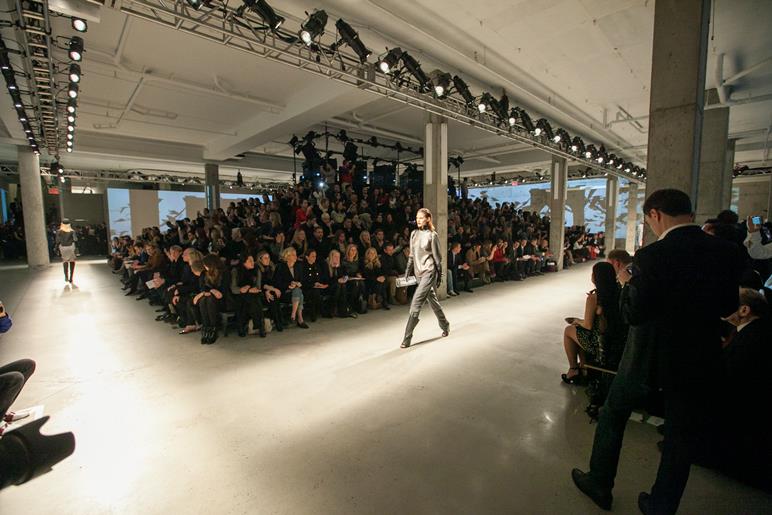
Skylight Modern-Kenneth Cole

Skylight Modern-Kenneth Cole

One of the more unique players in the alternative space game has been Skylight Group, a company that specializes in turning untraditional (for fashion) spaces, into customized designer dreamscapes. The group, headed by business mogul Jennifer Blumin, has provided spaces for a list of fashion’s boldfaced names for more than 17 seasons including Olivier Theyskens for Theory, Kenneth Cole, Prabal Gurung, Rag & Bone, Proenza Schouler, Tommy Hilfiger, and Phillip Lim.

This season, Skylight will host nine events in three different spaces in Manhattan— Skylight at Moynihan Station which is located at what is known as the main post office building on Eighth Avenue; Skylight Modern, a space located in the Chelsea gallery district, and the newest space—Skylight Clarkson Sq, which is located in west Soho.
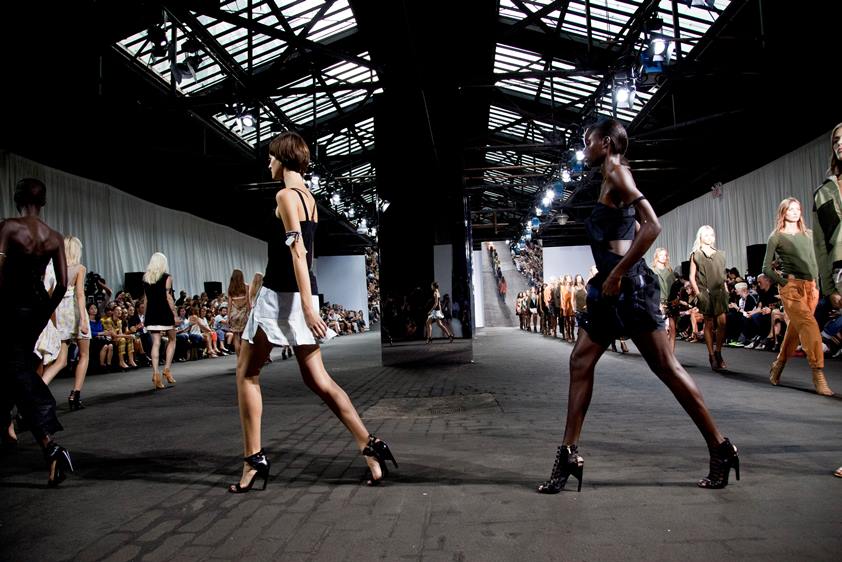
Skylight Moynihan Station-EDUN collection. Image courtesy of Natalie Poette

Skylight at Moynihan Station-EDUN collection. Image courtesy of Natalie Poette

Stephanie Blake, president of Skylight Group, said the growth of fashion shows in spaces like those offered by Skylight Group, is evidence of how fashion shows in New York have evolved.

“Fashion has really changed. And designers in New York are really looking to present their pieces almost like an art show or presentation,” she said. “They’re able to use our spaces which are like blank canvases, and create an experience. These are not the type of spaces where you come in a couple of hours before. These designers are taking two to three days to create a beautiful layout and atmosphere.”

Blake said the process is anything but simple. Because the spaces are raw, the designers must hire their own production teams to do everything from creating seats, to adding floor coverings to determining lighting details and schematics that may involve installing a dropped ceiling or adding chandeliers. Blake also explains that many designers also like the fact that the Skylight spaces are repurposed spaces with historical background.

Skylight Moynihan Station-Diesel setup. Image courtesy of Alan Zepeda

Skylight at Moynihan Station-Diesel setup. Image courtesy of Alan Zepeda

“We call it urban archaeology. There’s something really interesting about using these buildings that really played a past in New York City history,” she said. “A lot of designers will weave that history into their larger narrative of what this line may be. You can see the wheels turning as we walk into a space. A lot of designers will come in and they don’t want to cover up the metal pipes or skylights. They really want to work with the existing building while giving the space their own aesthetic.”

Here are the New York Fashion Week events happening this season at Skylight facilities:
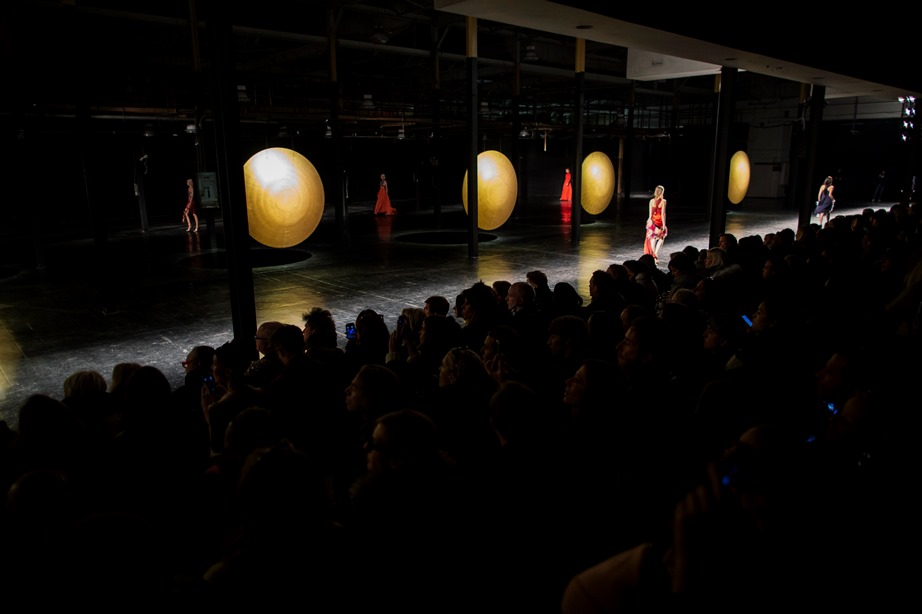
Skylight Moynihan Station-Prabal Gurung. Image courtesy of Matthew Craig

Skylight at Moynihan Station-Prabal Gurung. Image courtesy of Matthew Craig

Thursday, September 4, 2014

7pm – Altuzarra for Target Launch Celebration, Skylight Clarkson Sq


Friday, September 5, 2014

2pm – Sally Lapointe, Skylight Modern


Saturday, September 6, 2014

12pm – Prabal Gurung, Skylight at Moynihan Station


Sunday, September 7, 2014

6pm – EDUN, Skylight Modern


Monday, September 8, 2014

3pm – 3.1 Phillip Lim, Skylight Clarkson Sq

8pm – Rag & Bone, Skylight at Moynihan Station


Tuesday, September 9, 2014

10am – MM6, Skylight Modern

1pm – Diesel Black Gold, Skylight at Moynihan Station


Thursday, September 11

10am – Ralph Lauren, Skylight Clarkson Sq


—Karyn D. Collins
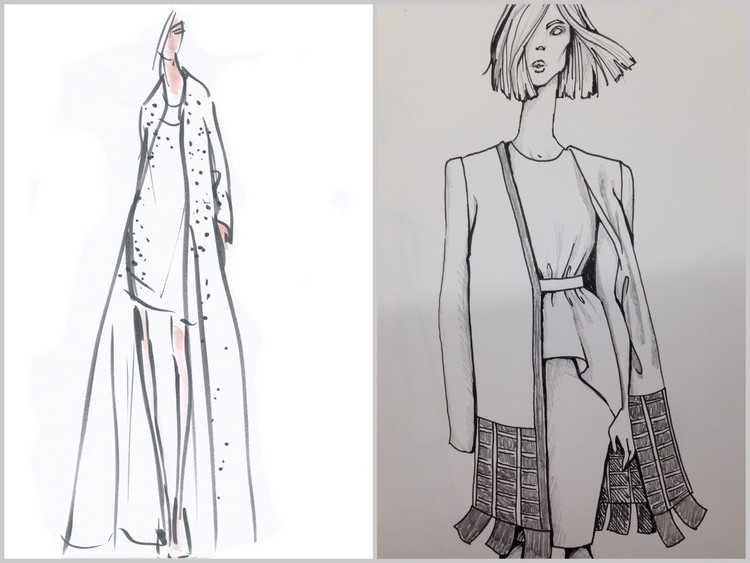
 

NYFW Fashion Feature: Spring 2015 Sketch Exclusive

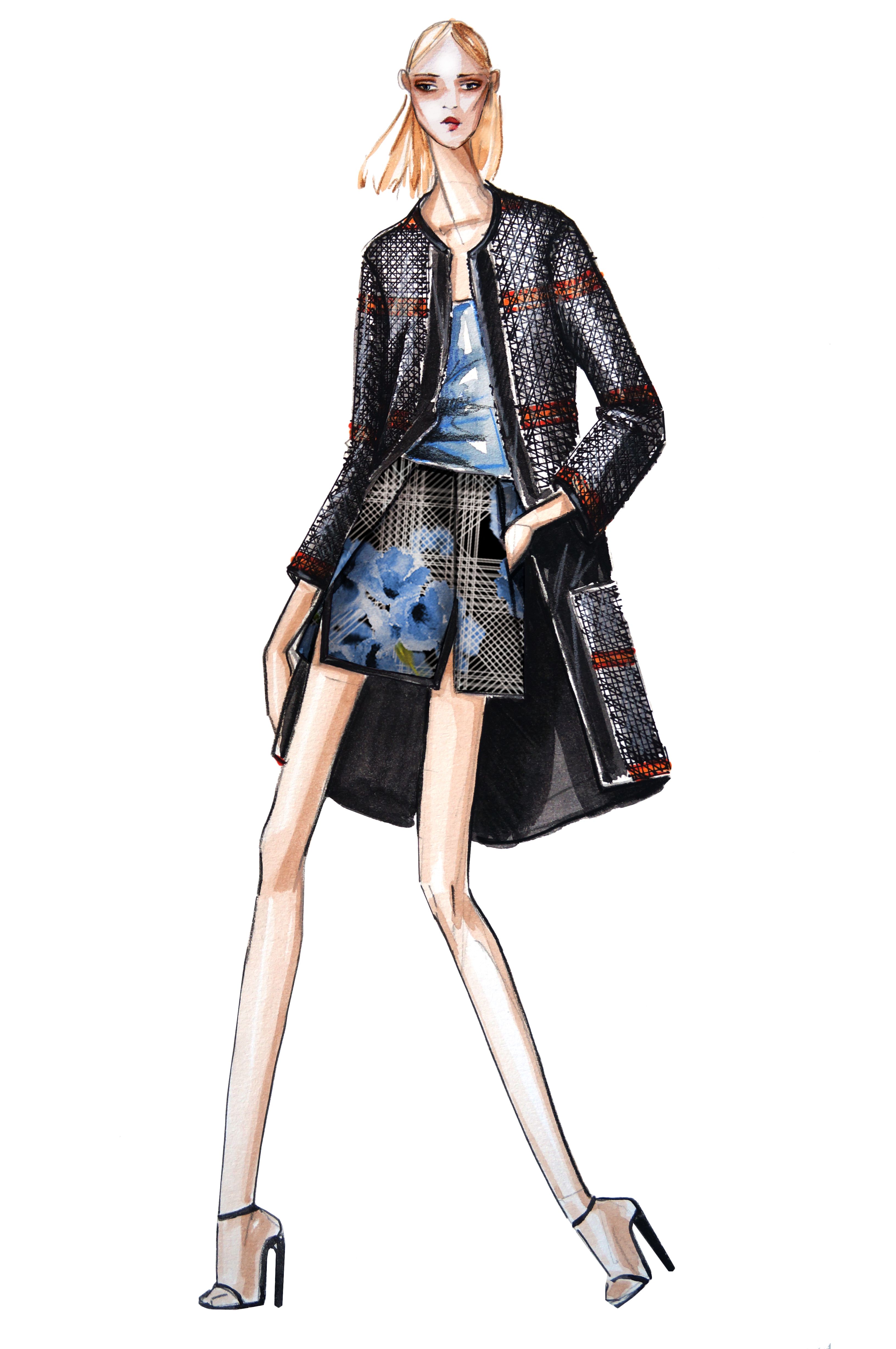
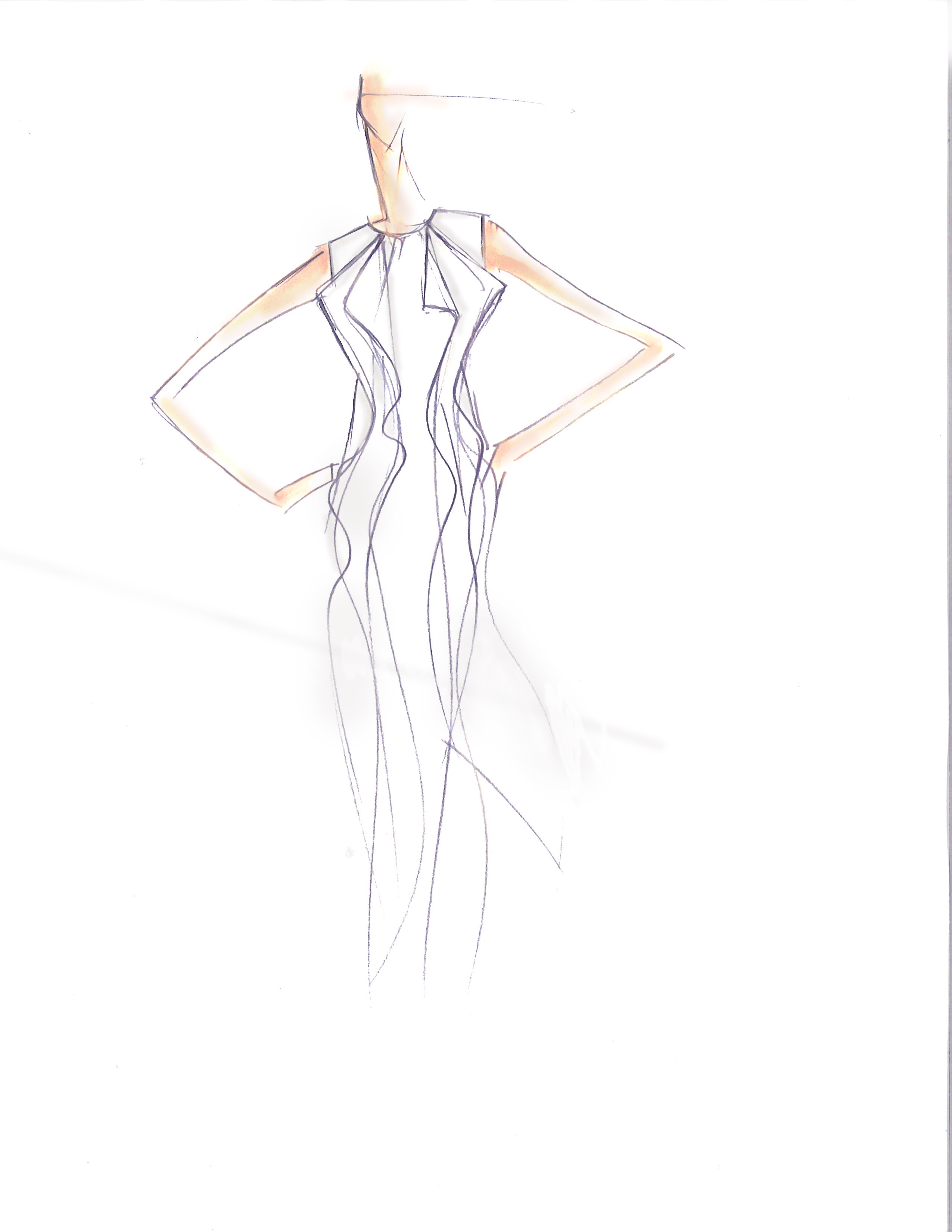
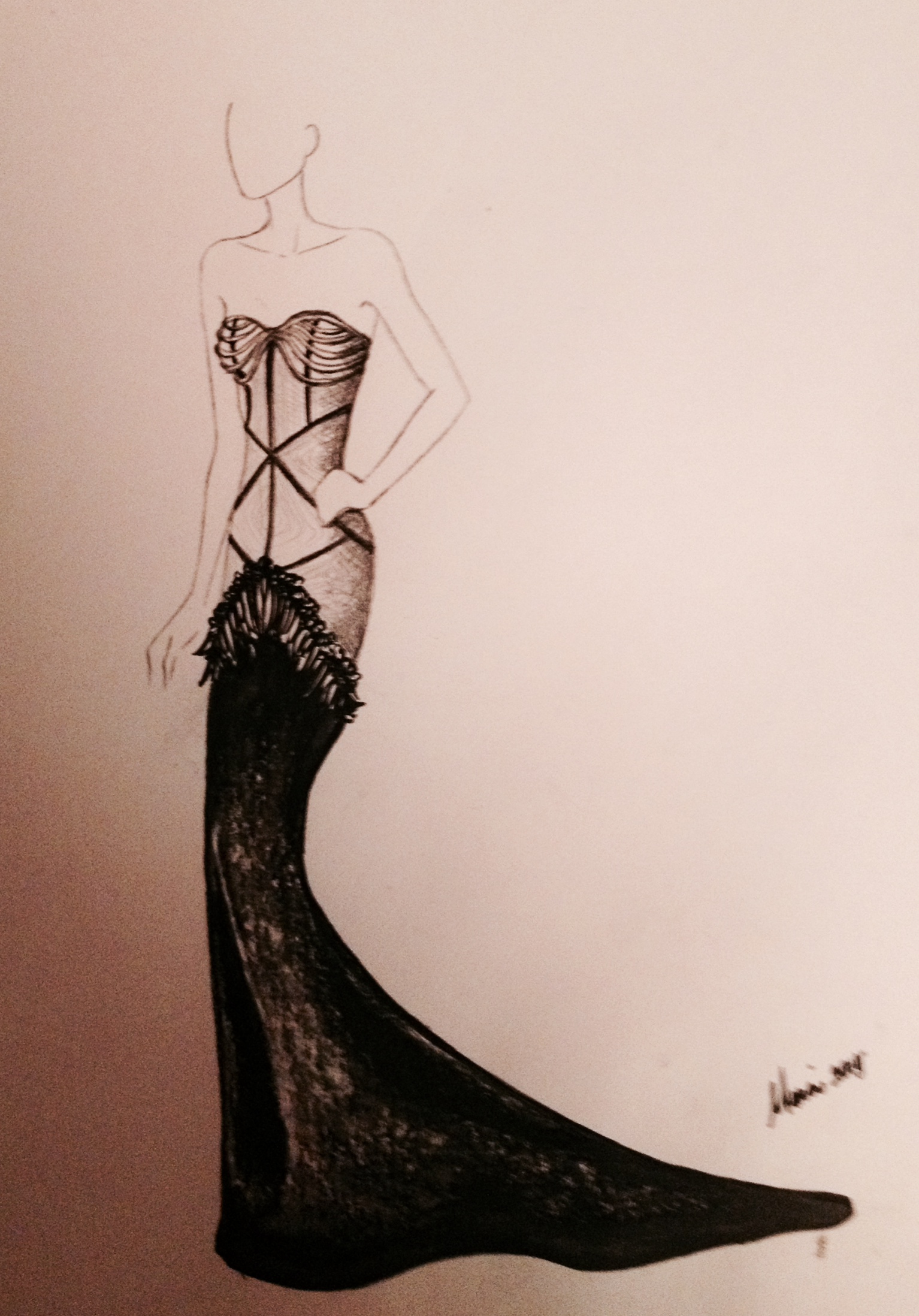
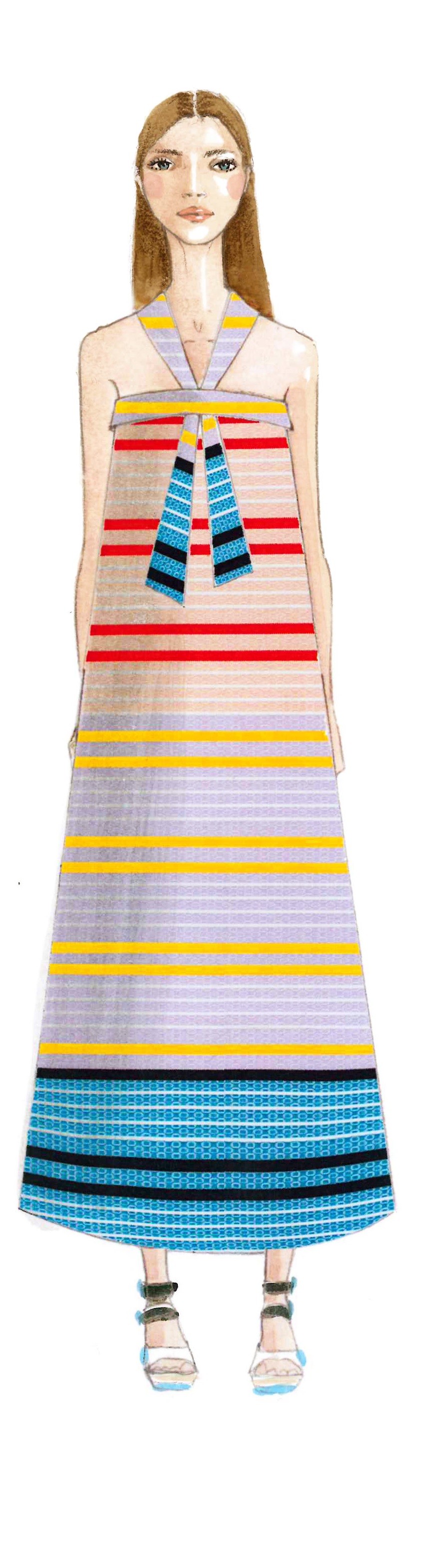
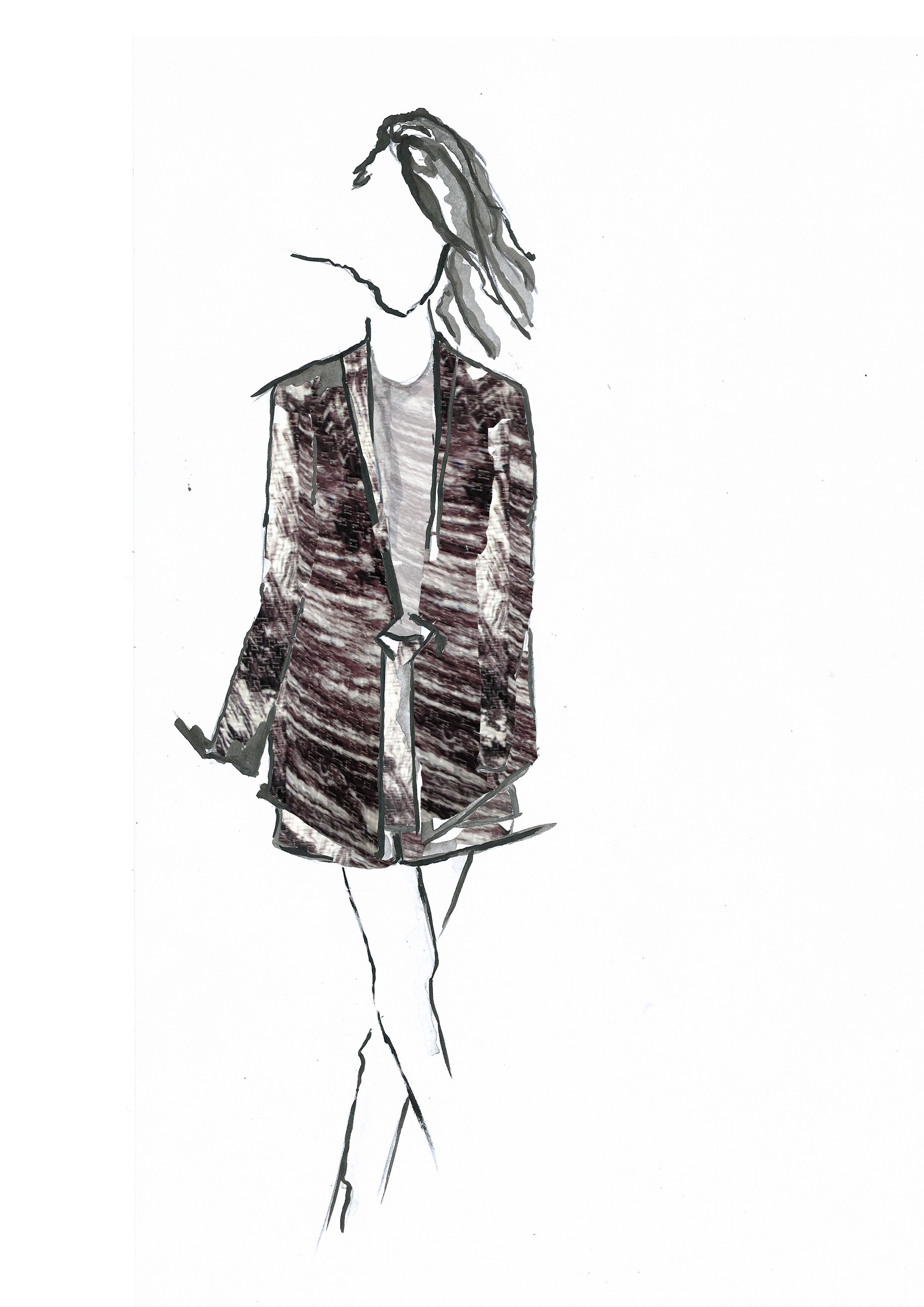
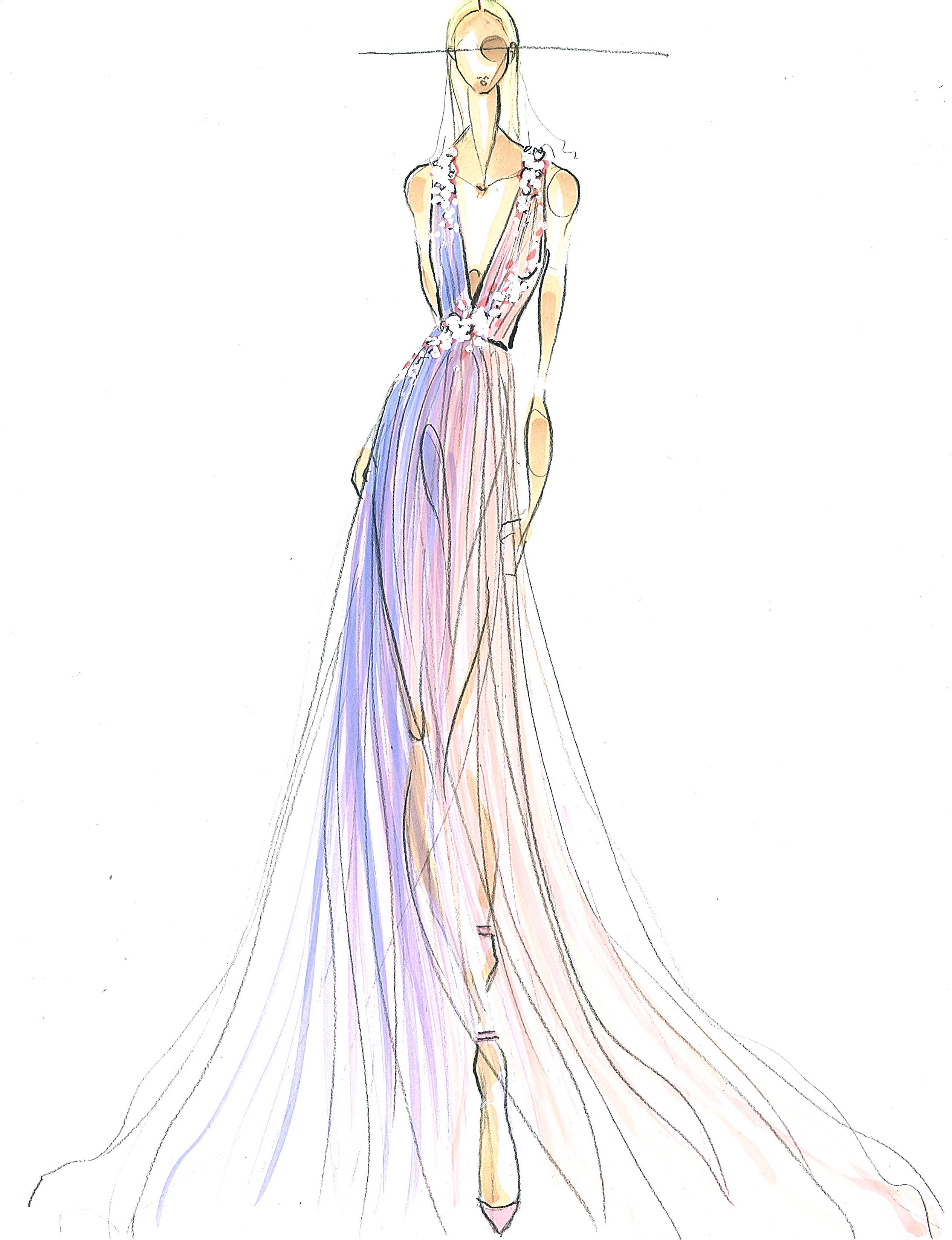
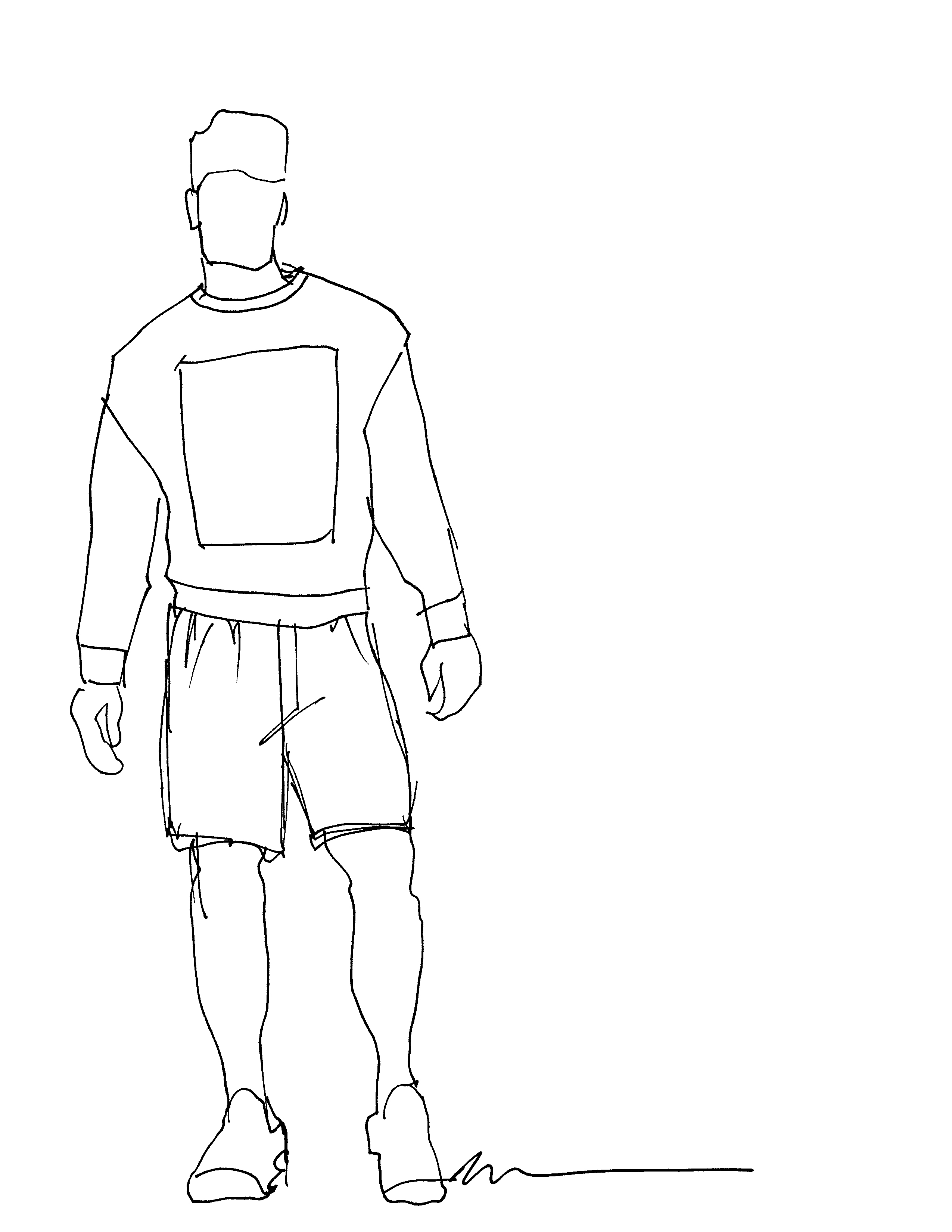
Rita Visnieris spring 2015, Mathieu Mirano spring 2015, respectively

Rita Visnieris spring 2015, Mathieu Mirano spring 2015, respectively

Just weeks before the fashion season begins industry insiders anxiously begin chattering their predictions of what will be designers’ newest visions.   Fashion loves the future as we all hope to be on the inside track of what is to come. So, by Labor Day, New York Fashion Week is front and foremost and everyone’s hot topic. Each season, fashion editors find it elating to forecast fashion trends. Will silhouettes be voluminous or architectural? Will color palettes be neutral or vibrant? Who will join LVMH?

Yet, as part of the artistic process, a designer must first create a sketch to outline ‘the look.’  An idea first fleshed out on paper is the key ingredient or closest clue to the real soul of the collection. And of course, before there was fashion photography there was the fashion sketch. Hence, fashion illustration is the starting point of a vision that still holds tons of truth.

Fashion Reverie revers the creative process of the designer, which later translates from the runway to amazing creations, spawned from smaller inspirations. That said; Fashion Reverie has collected illustrations from our designer favorites and included up and comers who we also believe have an interesting story to tell for spring/summer 2015.

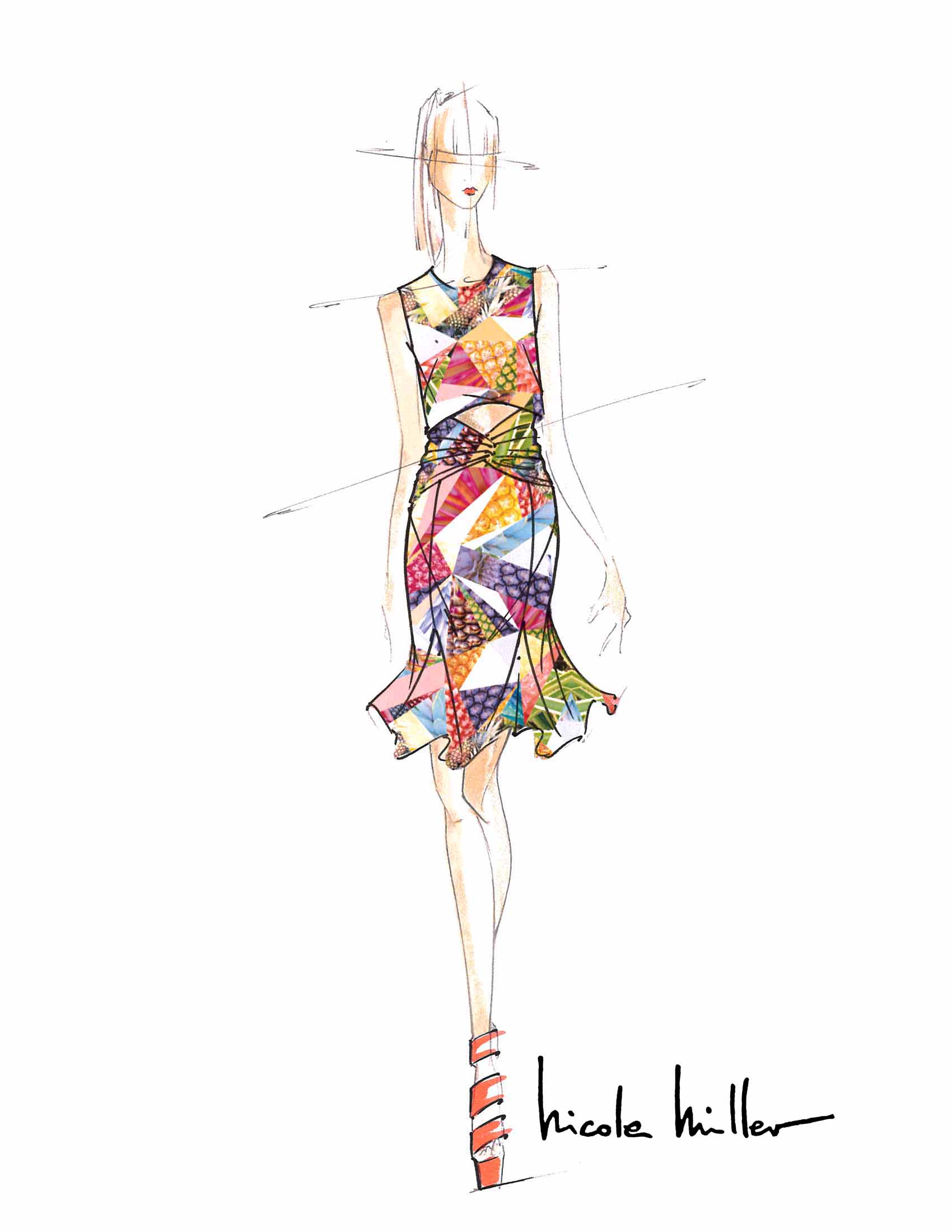
sketch sp15 NM

Nicole Miller spring 2015 sketch

Nicole Miller

Art, culture, rhythm and rhyme

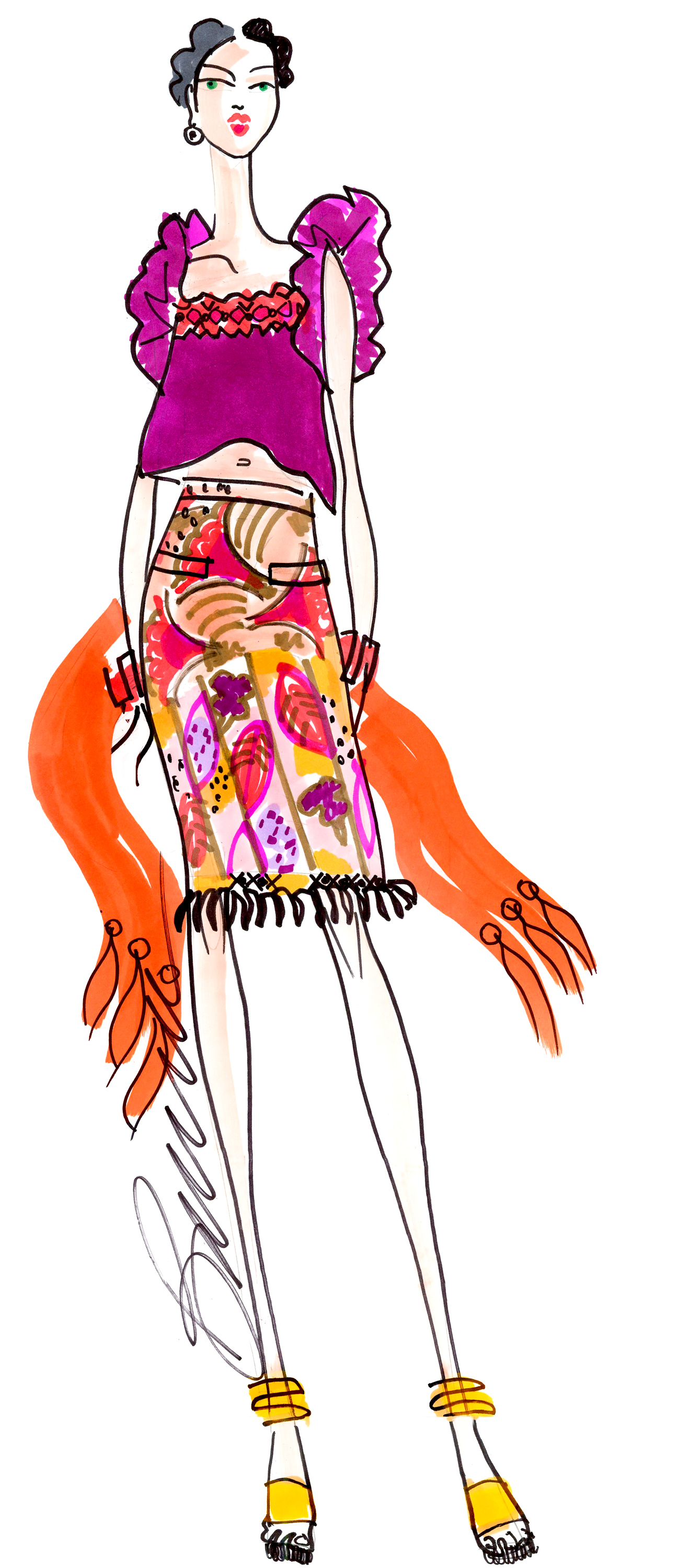
S15-Yoana Baraschi

Yoana Baraschi spring 2015 sketch

Yoana Baraschi

African sunsets and the bold mix of colors, the aesthetic of the African continent

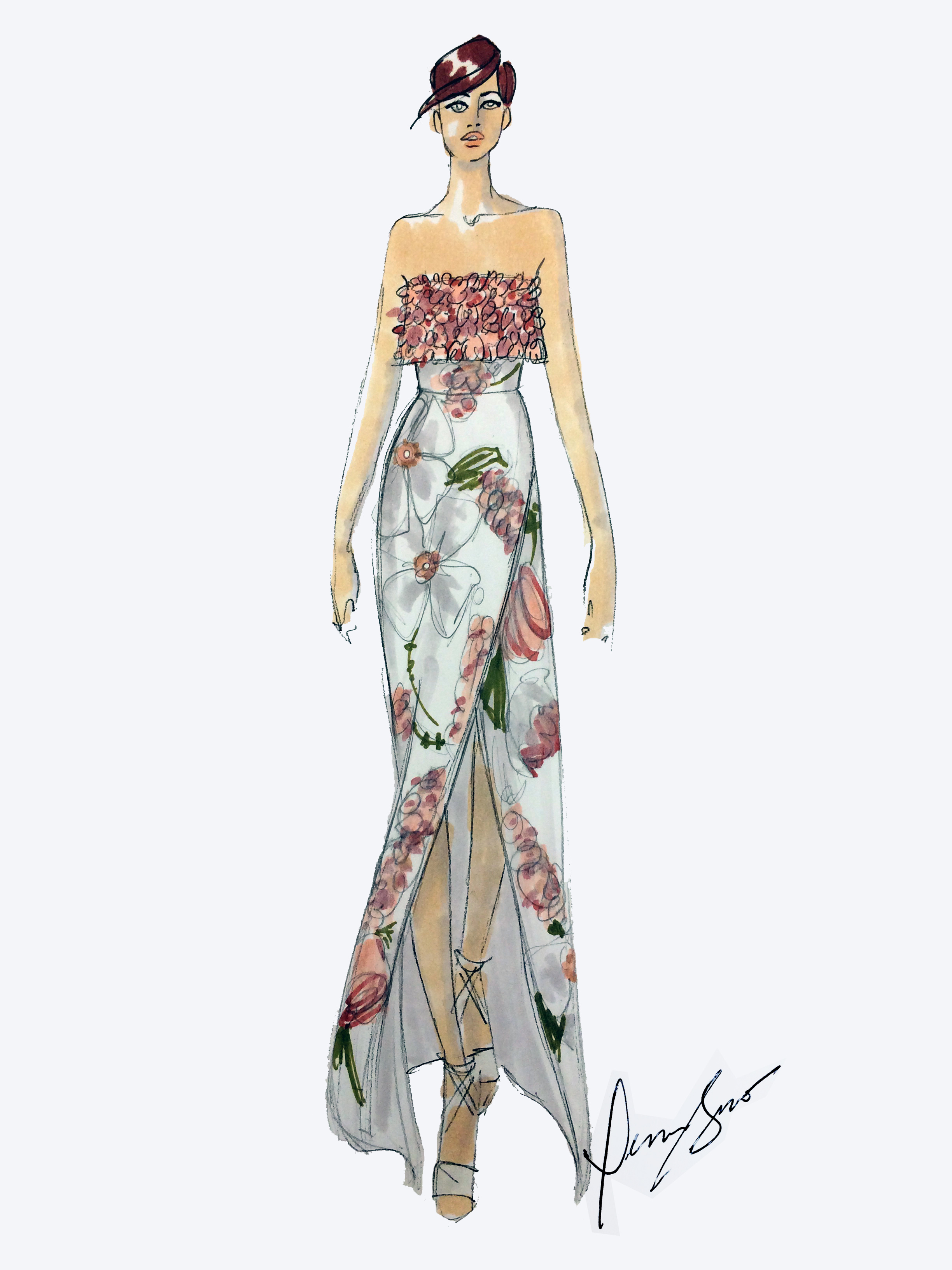
Dennis Basso SS1

Dennis Basso spring 2015 sketch

Dennis Basso

The collection represents warm sultry Mediterranean evenings.

ASBURY_Bibhu_S15_redone

Bibhu Mohapatra spring 2015

Bibhu Mohapatra

Inspired by the muse, Nancy Cunard, and women who follow their hearts and make their own destiny.

BCBGMAXAZRIA_1

BCBG MAXAZRIA spring 2015 sketch

BCBG MAXAZRIA

Sun-bleached prints, earthy textures, and soft pastel shades create a chromatic experience.

MauricioAlpizar

Mauricio Alpizar spring 2015

Mauricio Alpizar

‘Summer Nights’ is about the individuality, freedom and mysterious essence of a woman. 

SUNO SS15 Sketch 2

Suno spring 2015 sketch

Suno

Inspired by Louise Bourgeois and Georgia O’Keefe—their works femininity—what defines it and how we express it.

Zoe Jordan Sketch_redone

Zoe Jordan spring 2015 sketch

Zoe Jordan

A tribute to the grown up tomboy in her urban environment

PAMELLA ROLAND SPRING 2015 REGIONAL PRESS SKETCH 1

Pamella Roland spring 2015 sketch

Pamella Roland

The fusion of Japanese design and landscape as seen in the gardens of Kyoto.

perry_ellis-michael_maccari-05

Perry Ellis spring 2015 sketch

Perry Ellis

The collection plays with the duality of sportswear fabrics in active silhouettes and performance fabrics in tailored silhouettes.

—Kelly Mills 

Fashion Reverie Exclusive: 13-Year Old Teen Sensation Shows during NYFW


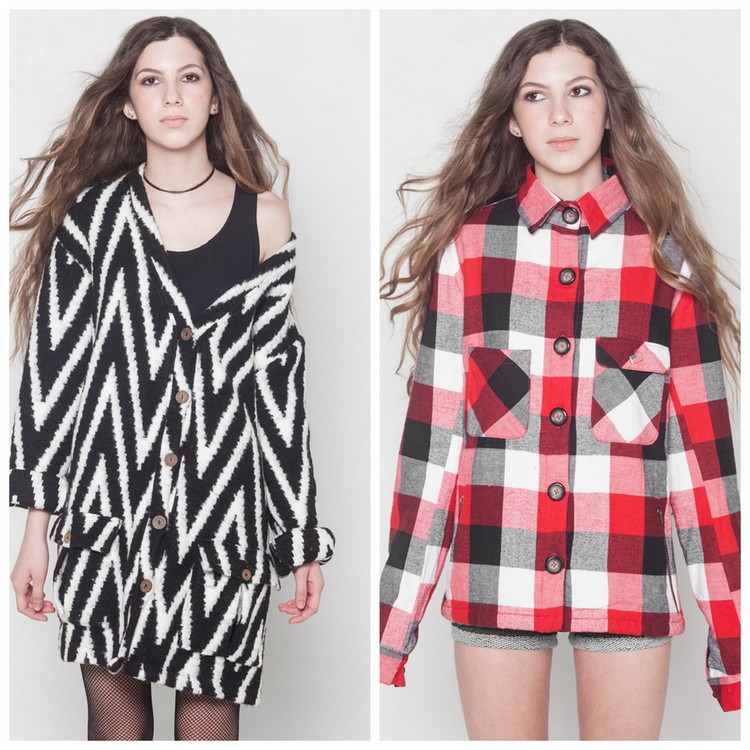
Image courtesy of Nordstrom

Image courtesy of Nordstrom

What were you doing when you were 13?  Hanging out at the Mall, talking endlessly on your cell phone, or just goofing off. Well, thirteen-year-old Isabella Rose Taylor will be showing her spring line during New York Fashion Week (NYFW). The Sept. 9 show will be presented at the Style 360 Lounge

This isn’t kid’s play. Taylor already has a 13-piece fall line for juniors being carried in Nordstrom stores across the country.

A MENSA-candidate, Taylor has been painting since she was 3 and took her first sewing class at age 9 when she wanted to start incorporating textiles into her artwork. She has been selling her designs through her website that she runs out of a home office. Her line regularly sells out at trunk shows held at local boutiques.

According to a CNBC.com story, Nordstrom heard about Taylor through one of the teen’s television appearances and liked the fact that Taylor was the age of her customer but also had a fashion-forward approach to her work.

Image courtesy of styleite.com

Image courtesy of styleite.com

Jennifer Jackson Brown, a corporate merchandise manager for Nordstrom, said Nordstrom officials also liked that Taylor had a vision for how the pieces in her collection should be in sync.

“She’s actually quite a visionary at the age of 13,”  Jennifer Jackson Brown said in the CNBC.com story.

Here, Taylor answers questions from Fashion Reverie about her career in fashion.

Fashion Reverie: Your line debuted this month in Nordstrom. Congratulations. What has working with Nordstrom been like? Did you have complete control? What did they tell you they wanted from you?

Isabella Rose Taylor: It has been great being able to work with Nordstrom.  It has always been a dream of mine to be in Nordstrom and I’ve been a long-time fan and shopper. It is surreal to actually be there this fall.  Nordstrom is carrying my clothing line that I developed. They did not tell me that they wanted a certain look or vibe. In fact, they encouraged me to just be myself. I presented them with my lookbook and tech packs, and from the complete collection, they chose the pieces they wanted to carry, then we started production of those pieces. The whole experience has been an amazing learning experience, from finding the right factory to making sure the product was delivered as expected.

FR: Is there another line for Nordstrom in the works?

Isabella Rose Taylor: I have nothing concrete right now. My next collection, spring 2015 will be showcased September 9th during NYFW, and we’ll be talking to potential buyers.

FR: Why fashion? What is it about fashion that appeals to you?

Isabella Rose Taylor: Well, who doesn’t love fashion? Why do we love chocolate? I’ve always loved dressing up, but for me, as a designer it also serves as a means of expression and a way to bring to life my artistic interests. I see fashion as art transformed from 2D to 3D and the fabrics/textiles that you can work with. Painting remains my other passion and I try to paint several days a week. Ultimately, I see them as being linked to one another.

Images courtesy of nordstrom.com

Images courtesy of nordstrom.com

FR: What is the biggest misconception/mistake that the fashion world makes when it comes to fashion for Tweens and Juniors?

Isabella Rose Taylor: I think that there is a balance of too young and too mature that is difficult.  Many Tweens do not want to dress like a younger sister, but the clothes her older sister might be wearing are not for her either.

FR: What is the biggest misconception about you?

Isabella Rose Taylor: The biggest misconception people have about me is that my life is perfect, but no one’s life’s is perfect.  Many times girls reach out to me through social media and they make comments like: “I want to be you” and things like that. One of the things that I’m really interested in is encouraging other girls to have dreams and work really hard to make those dreams a reality, but at the same time, they need to find their own dreams. What do they want to do? Maybe another misconception is that everything comes easy. I work really hard and try to do the best I can, but inevitably not everything works out perfectly.  I think it is very important to do things that challenge us. That’s how we keep improving.

FR:  Where do you draw inspiration? Where do you get your ideas?

Isabella Rose Taylor: There are a few sources: I see what the trends are in my market, and I am my own demographic. I stay on top of what’s hot by reading blogs, magazines, movies, and staying on top of what happening in our current culture. I also have been lucky to travel a lot with my family and I think that also helps create my vision. Finally, and maybe most importantly, I am an artist. I have been painting for years and I have a well- developed sense of what my aesthetic is. In most of my collections I somehow end up incorporating some of my art, either directly my printing, my painting onto the fabric and designing my own textiles or more indirectly. Most of the time it’s a gut feeling that incorporates all of my experiences.

Images courtesy of nordstrom.com

Images courtesy of nordstrom.com

FR: Tell us a little about your process. Do you sketch all the time?

Isabella Rose Taylor: I do sketch and paint a lot, but usually I come up with a mood board that narrows what my color palate and “vibe” will be. These are usually images I collect and put together in a sort of collage. Then I decide what pieces, tops, bottoms, etc., I want the collection to have. Some are practical decisions: What does a collection need to have in order to be a complete collection and sell well? Some are more artistic decisions like what pieces are necessary to tell the story I want to convey with that collection. Then I sketch the individual pieces. Fabric sourcing for the correct fabric is a big challenge and many times I design my own. However that biggest challenge happens when I have to edit the final collection. That’s when pieces are dropped or added to make sure it all fits together.

FR: What is your life like? Do you still go to a regular school? How do you juggle all of this?

Isabella Rose Taylor: I think my life is just like that of any girl my age. There’s school and schoolwork and then there’s what you do after school, including extracurricular activities and social life and family. It just so happens that for me school means community college, and extracurricular actives means painting, designing and learning as much as I can about running and growing a fashion business. I don’t think I am any busier than my friends who are in high school. They usually have to practice piano, dancing, cheerleading, etc for many hrs a day, and usually they are the ones who are busy when we can’t get together to go to a movie. I do have to travel a little more but it’s all about balancing.

FR: You’ve had a lot of big moments, met a lot of famous people. What’s been the best so far?

Isabella Rose Taylor: I have been lucky enough to meet so many wonderful people who have believed in me.  It is very hard to say who or what has been the best so far because I have met amazing designers like Norma Kamali, Cesar Galindo, and Charlotte Ronson. They have been generous with their time and advice.  I have met people like Steve Harvey who was so funny and world-class news anchors including Mara Schiavocampo, and Katie Couric, who are very, very nice people.  I had the amazing privilege to speak at TEDxHollywood and the Dell’s Women Entrepreneur Network (DWEN), and it was there I was able to meet inspirational and very wise people who now advise and mentor me.  Honestly, the best part so far is being able to meet so many different people who show me what is possible and what I can aspire to.

Image courtesy of stylecaster.com

Image courtesy of stylecaster.com

FR: Will your NYFW show be your current collection for Nordstrom or something different?

Isabella Rose Taylor: Nordstrom is carrying my fall 2014 collection. During NYFW, I will present my next collection, spring 2015.

FR: Who in fashion do you look at and say, “I want my business to be like his or hers”?

Isabella Rose Taylor: I would love my business to be like several people—Donna Karan for one, she has been such a great businesswoman with excellent style.    I admire Sophia Amoruso of Nasty Gal for being able to grow her business to such a large scale in a relatively short time with the benefit of technology and the ability to reach her consumer directly.  I see myself combining a digital strategy with a traditional one to grow my business and my reach.

—Karyn D. Collins


NYFW Profile: Nicole Miller Up-Close and Personal

nicole-miller-premiere-bad-teacher-01What’s it like to be a designer the week before New York Fashion Week (NYFW)? Designer Nicole Miller gave Fashion Reverie a window into her world. The designer is currently preparing for a September 5 showing of her Brazilian-themed spring 2015 collection.

Fashion Reverie: Next week you’ll be showing at Mercedes-Benz Fashion Week (on September 5). Where are you at with your preparations?

Nicole Miller: Everything is piled up and backed up; everyone is busy sewing away. Most of our stuff has come in from overseas so we don’t have to worry about that. Shoes are really the biggest panic, but those are in so that should be okay.

FR: What’s your spring 2015 collection about?

Nicole Miller: I was inspired by Brazil. I was listening to some song about Rio and was feeling a bit nostalgic about it. And then I got news about an art opening there. So that’s really how it started.

FR: What’s the most important thing you’ve learned about the fashion business?

Nicole Miller: Well, ever say never, and you can’t kill a trend. When you think you’ve had enough of a trend and it’s going to make you ill—like peplums, and then, the next day, everybody is doing peplums and you’re like “Oh, my God, I just threw those out.” Platform shoes; are they going out? No. Nothing goes away anymore.

FR: What’s been the biggest change you’ve observed/experienced in the fashion industry since you got into the business?

Nicole Miller: Global sourcing for sure. When we started making clothes, there was just not a lot of techniquey things available. Now, all this beading we get done in China and India was just not available in those days. So global sourcing has, I think, upgraded the quality of clothes in America.

Nicole Miller pre-fall 2014 image courtesy of fashioners.com

Nicole Miller pre-fall 2014 image courtesy of fashioners.com

FR: A lot of people have been talking about how much NYFW has changed and not necessarily for the better. Why do you still show during NYFW and what do you feel you get out of it?

Nicole Miller: I think the minute you stop showing everybody forgets about you so that’s never a good idea. I know all the editors complain about how there are too many shows and (designers) should do presentations. I disagree. I like to have a show. There are always new kids on the block and a lot of them fall through the cracks. There’s always a constant recycling of new people and people falling out of the ranks. I think there are too many shows. But the thing is (as a designer) you just can’t stop having shows because then you would just fall off the planet.

FR: I also have heard designers comment about how much the business has changed—so many seasons, etc. Your business is so expansive. But it seems like that’s a necessity to stay in “the game.”  Has that been your mindset?

Nicole Miller: We’ve always had a 12-month calendar … so it really doesn’t make any difference to me. You have to do everything. I think we want to have longevity and if you want longevity it’s important to be in all the different categories.

Nicole Miller spring 2014 images courtesy of becomegorgeous.com

Nicole Miller spring 2014 images courtesy of becomegorgeous.com

FR: What will you do once the show is over? Vacation? Take time off from the business?

Nicole Miller: We get so excited and my whole team gets excited about the collection. It’s just a real high when we have the right inspiration and everyone is coming up with ideas and doing research. It’s such a great team spirit thing. We always have such a great time.

We never think about it as a business. Sometimes we’re not professional enough because we get so excited about the idea and the concept. And then (we have to) try not to be too literal.

But we have a great time. I have a great team. These girls are great. They’re like my best friends. And we just love the team spirit of when we’re all pow-wowing and coming up with ideas.

Everybody does talk about the fashion shows being a nightmare and they are a nightmare for a lot of reasons like getting your shoes an hour before (the show), or where a girl trips on the runway, or worrying about if your sweaters are coming in on time. The last week is chaotic. We have 20 girls who have to come in for fittings and the sewers are here until midnight. So it’s a very chaotic and stressful week. It is a nightmare. But within the nightmare, it is fun.

And we complain about it, but if we didn’t do it, we would be looking at each other like “Oh, those people are doing it. Why aren’t we doing it?” We would feel left out if we didn’t do it.

—Karyn D. Collins


Mercedes-Benz Fashion Week Spring 2015 Pre-Coverage

MBFW_NY_STAR_STACKED

That time is almost here, again. When the sound of stilettos clacking against the white stone of the Plaza at Lincoln Center becomes a normal assault on the ears, you know Mercedes-Benz Fashion Week (MBFW) has arrived.

From September 4–11 over 400 designers will present their spring/summer 2015 collections in New York City with over 80 of these designers presenting at Lincoln Center. For spring/summer 2015 there’s a mélange of new names presenting at Lincoln Center and several venues throughout New York City. From the New York debut collections of Versace Versus, August Getty Atelier, Anya Caliendo, Stella Nolasco, Serena Williams, Grungy Gentlemen, CuteCircuit, to Oudifu, Luis Antonio, Damon Dash Presents, Taoray Wang, Deola, Snoopy & Belle in Fashion, and Argyleculture by Russell Simmons, this season promises to be filled with innovative silhouettes, color combinations and distinctive points of view.

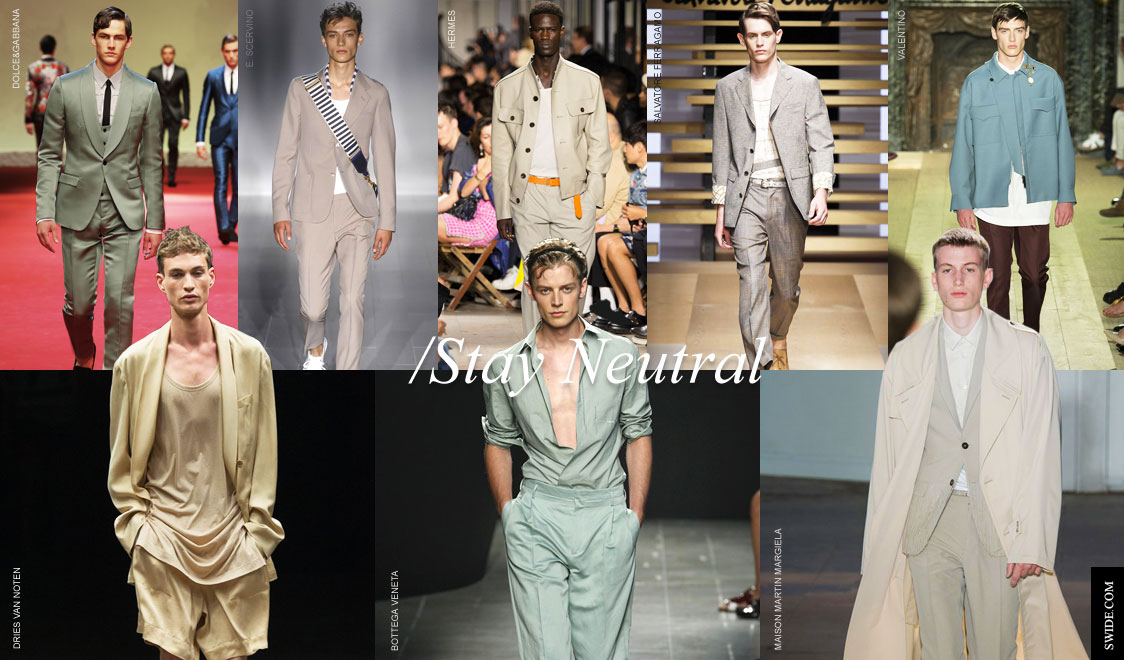
men-trends-spring-summer-2015-from-milan-london-paris-fashion-weeks-neutral-coloursThis fashion week also welcomes the return of L.A.M.B, Falguni and Shane Peacock, Antonio Azzuolo, Barbie, Korto Momolu, Nina Skarra, and many others. Still, the overarching question this season is if IMG—the authoritative, governing entity of MBFW—has worked out some of the controversial issues of last season.

For fall/winter 2014 over 3,000 fashion industry professionals were cut from the media credentials lists. And though some of the shows were at capacity, others were only half full. Many bloggers and ancillary media folks were outraged and expressed their displeasure on a variety of blogs and online sites, slamming IMG for its decision to clean house, so to speak. There was also much debate and conversations about the new and improved look of “The Tents.” While some industry professionals approved the new streamlined, chic look, others felt the redesign was cold and alienating.

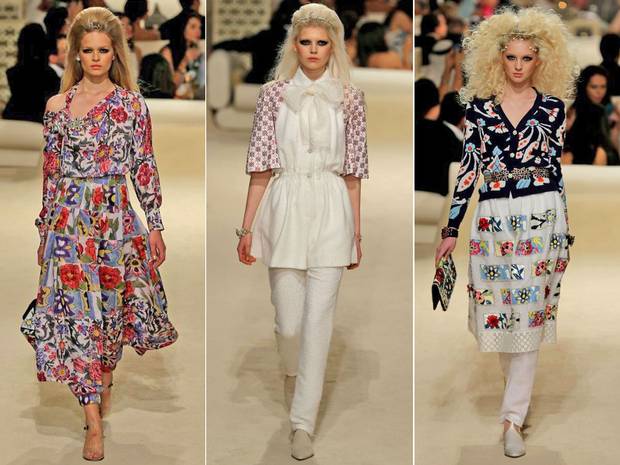
chanel-dubaiControversy aside, Fashion Reverie will be front and center, bringing our readers detailed coverage from the front row, backstage and the street. And we will also have some interesting surprises. Stay tuned!!

—William S. Gooch

Fashion Reverie Exclusive: Anelle Miller Brings Diversity and Inclusiveness to the SOI

Image courtesy of nytimes.com

Image courtesy of nytimes.com

In 2007, Anelle Miller was appointed the Director of The Society of Illustrators (SOI).  Historically assembled in 1901 by prominent artists of that time (with visiting guests including Mark Twain and Andrew Carnegie) the Society’s vocation has remained to promote and exhibit the art of illustration. This, in turn, has provided the public with all sorts of events: exhibitions, sketch nights, lecture series, historical catalogs of work and all replete with a decorous congregational dining hall in which to enjoy such experiences.

soi1Entering the 20th century, the Society still served more as a men’s club and well-kept neighborhood secret that only few acknowledged.  Thus, a former SVP of Estee Lauder and part-time weight-lifting champion may have not been the initial choice to usher in SOI’s mission into the 20th century. But, like any visionary or makeover specialist, Anelle Miller has liberated SOI from its outdated masculine reputation transforming its presence into a celebration of all things and people illustrative.

Fashion Reverie sat down with Anelle Miller to discuss her story and how her passion for illustration eventually brought her back to her roots and first love.

Fashion Reverie: Anelle Miller, there is something special about you. Tell me about your background?

Anelle Miller:  I was born and raised in Queens, so I am a New York girl. My education really started in high school, when I started to commute into Manhattan. I went to the high school of Art and Design to study fashion illustration. Later, I got a scholarship to Parsons School of Design where I continued my studies of fashion illustration.

Most of my professional career—which has been an extraordinary career—was spent at Estee Lauder. Later, I ended up studying art and creative direction as opposed to focusing solely on illustration. I started at Estee Lauder as an Assistant Art Director and worked my way up over 28 years where I was able to help create the cosmetic brand Origins, with William Lauder and an incredible team of people.  I headed the entire creative team for Origins and later became Senior Vice President and helped to launch the brand around the world.

FR: When did Orgins originate?

Anelle Miller: 1990

FR: What made you want to create something at that time that was organic?

Anelle Miller: That idea came from Leonard Lauder. He wanted to create this concept that was an alternative to traditional cosmetics.  Where the packaging was recyclable, the product was made from essential oils, so Origins was the last division that was created internally at Estee Lauder.

SOI's Main Gallery image courtesy of the Society of Illustrators

SOI’s Main Gallery image courtesy of the Society of Illustrators

FR: Going back to your childhood, what made you want to be a fashion illustrator and not a fashion designer?

Anelle Miller: I was an always an artist. I was drawing at a very young and my parents were supportive and sent me to art lessons and they always knew that there something artistically special.  I got into fashion because I loved clothes and my father was in the shoe business, so we were always surrounded by tons of shoes. My mom also loved clothes and collected jewelry.

FR: So did you see yourself when entering college as a future fashion illustrator with a career of attending couture shows in Europe and sketching the designs?

Anelle Miller: I really didn’t know what I wanted to do and at the time I was focusing on fashion illustration, which was such a tumultuous period for fashion illustration. It was in the late 70’s, when fashion photography was taking over—so, there was less of a demand for fashion illustrators.  In the early 70’s it was all about Antonio Lopez, George Stavrinos and all these amazing people, which I thought I was going to be following in the footsteps of, but then realized I needed to make a change in my career if I wanted to be lucrative.

FR: You knew that at Parsons?

Anelle Miller: I did know that at Parsons towards the end and that’s when I decided to move towards art direction, but I always came to the Society of Illustrators for sketch night even when I was at Parsons. To this day, I still attend Sketch Night.

FR: So art direction was birthed from fashion illustration. How do the two correlate?

Anelle Miller: It was about type design and graphic design—page design and I was able to take the creative part of me and shift it into another space. Yet, when I was fortunate to get the Estee Lauder position I was surrounded by cosmetics and beauty and that was so much a part of my fashion illustration background, so I felt very at home being in that environment—and then also learning how to run a business, create a business-through Origins.

FR: When did you transition out of Estee Lauder?

Anelle Miller:  I transitioned out in 2005, about 9 years ago.  I wanted to again make a change. I wasn’t sure about what I wanted to do. I needed to be more creative and surround myself with creativity. I started two companies on my own.  One company did creative marketing for nonprofits. I was still consulting with Estee Lauder working on the archives for Origins and then started another company called Original Women that focused on female artisans around the world. I did that for two years and then I got a call from a headhunter who wanted to know what I was doing and where I was. She mentioned there was a top position at the Society of Illustrators and of course, I was beside myself, because I had been coming here to draw for 30 years.

Image courtesy of tebeau.com

Image courtesy of tebeau.com

FR:  SOI, before you was a boys club; you came to drink brandy out of a sifter and everything seemed smoky and warlike. They also hired a woman; so, what made Chairman Richard Berenson change his mind.

AM: I think they were all ready for a change. Now, I have been here seven years.

FR:  Tell me about some of the big projects that you have helped cultivate at SOI?

Anelle Miller:  Well, the biggest project was working to get young people and diversity in the Society.  People didn’t necessarily feel comfortable coming to the club and specifically young people and I knew the only way to continue the legacy was to embrace the young people and embrace diversity, which has happened in a big way.

FR: So you’ve introduced people to a New York historical institution, which many never knew existed. How do you meet these new people?

Anelle Miller:  It is word of mouth, a matter of networking, putting on different kinds of exhibits and lectures, events with new and different people, like having the Line of Fashion exhibition with Robert Richards, who also brought in a whole other audience and diversifying in that way. Always bringing new and different people is the key.

DSC_0011_redone

Image courtesy of the Society of Illustrators

FR: So, ‘Sketch Night’ which is a huge part of the clubs diversity is what exactly?

Anelle Miller: Sketch Night is every Tuesday and Thursday, 6 to 9:30. However, on Thursday night we have themed nights and we bring unbelievable diverse people to pose—and the dynamic is changing and the fall lineup is really amazing.

FR: So an original New York girl brings the real New York into the SOI?

Anelle Miller: (laughs) Yes, I guess so.

Image courtesy of the Society of Fashion Illustrations

Image courtesy of the Society of Fashion Illustrations

For more information on the Society of Illustrators go to societyillustrators.org.

—Kelly L. Mills

Fashion’s Om-nipresence

Downloads370The newest brand-marketing plan is a clear sign of the times. Combine philanthropy with fashion and businesses can create a strong fanbase with sales.

The growing need for fashion philanthropy shatters the stereotype of the vapid, self-loathing, anorexic teenager or the dramatic designer craving overpriced, over-constructed gowns. In order to save itself from its own bad reputation, fashion now considers itself a part of community. Fashions omnipresence means the same polo shirt can be sold for the next twenty years, whilst maintaining its value, if produced for the ‘greater good.’ Since brands are the new designers, corporations have revamped their business plans and missions to include charitable donations for communities in order to maintain interest in sales.

Stepping into the Age of Aquarius, the new era of  one-consciousness represents the oneness of humanity and making an impact. Fashion is no longer clickish and for the chosen few. Fashion is for everyone. Thus, the millineul consumer is more socially conscious than he or she was ten years ago.  Because of the expansion of the internet, corporations like to build communities.  Whole Foods, whose existing customer is a 21st century patron between the ages of 18–34.

Image courtesy of Warby Parker

Image courtesy of Warby Parker

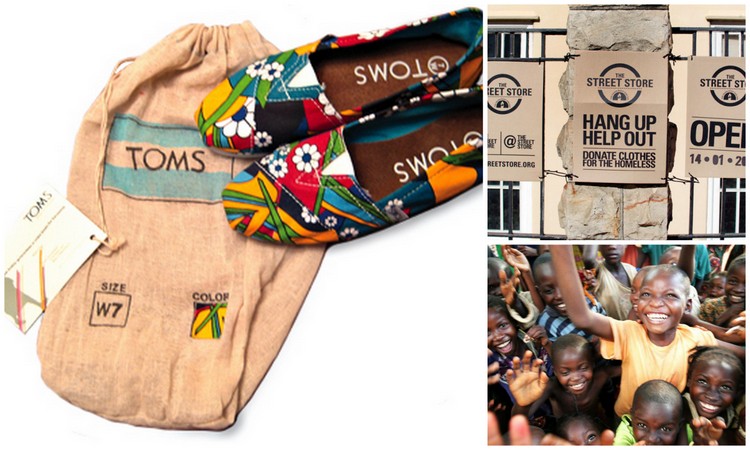
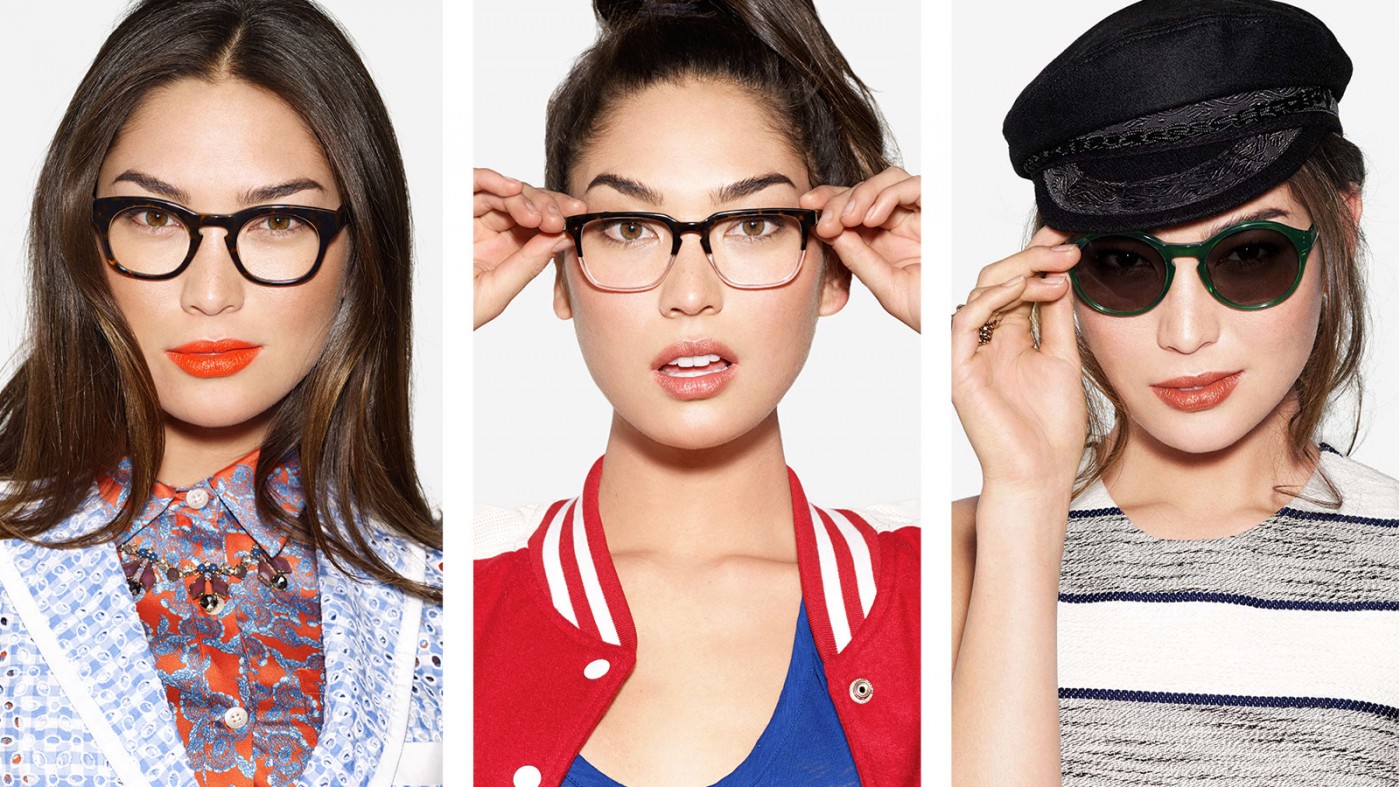
Toms is a brand that first impacted the fashion industry by selling in lifestyle marketplaces, like Whole Foods. Their successful One for One campaign later inspired a strong following of shoe monks and since has inspired  more of the same concept with other company’s, notably Warby Parker and their Give a Pair program providing chic spectacles to nonprofit organizations.

21st century fashionistas,  whether consciously aware or not, favor brands that give regularly and participate in charities.  Corporations like Ebay or Nasty Gal value these consumers and with the use of savvy technology and online shopping have created million dollar launch pads for thrifting  communities, buyers and sellers that take pride in recycling clothes and connecting with others in the same vein.

a

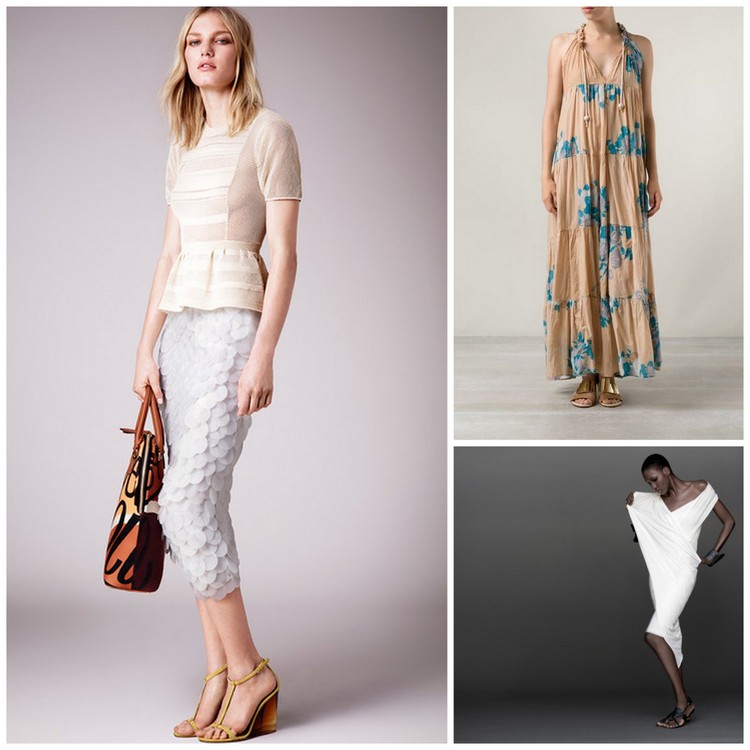
Images clockwise: Burberry, Yvonne S., and Urban Zen

The fashion industry will always represent itself as a product of its envrionment.  However, being consciously consumed is the industry’s only mantra to justify shopping in an economically depressing present. We are completely aware that fashion first is a commodity that must be sold and so, developing products  with the intent of charity and giving back becomes a win-win in an industry ‘s new found ‘oneness.’  In this day in age, the fashion companies that will survive will do more than create desire, they will exist to inspire.

 —Kelly Mills

Charles James: America’s Couturier

Charles James portrait by Cecil Beaton 1936 and Charles James portrait by Michael Vaccaro 1952. Images courtesy of the Metropolitan Museum of Art

Charles James portrait by Cecil Beaton 1936 and Charles James portrait by Michael Vaccaro 1952. Images courtesy of the Metropolitan Museum of Art

“It’s the air that’s sculpted, not the silk; it touches the body in only two or three variable places. The rest of the silhouette you can vary as much as you desire.”

—Charles James


As you walk among the galleries at the Metropolitan Museum devoted to the work of designer Charles James, you cannot help but be struck by the realization that James truly was an architect and sculptor.  That in itself should be enough to lure fashion fans to the Metropolitan Museum before the exhibit, “Charles James: Beyond Fashion” closes after Aug. 10.

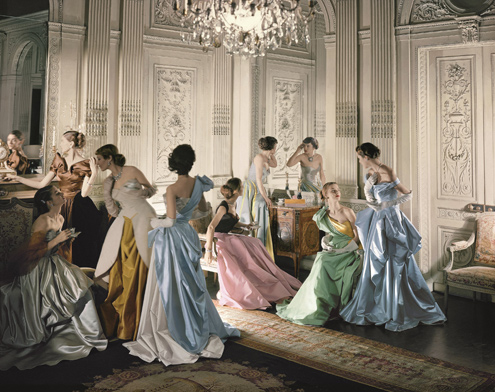
Charles James Ball Gowns by Cecil Beaton 1948, copyright Conde Nast. Image courtesy of the Metropolitan Museum of Art

Charles James Ball Gowns by Cecil Beaton 1948, copyright Conde Nast. Image courtesy of the Metropolitan Museum of Art

Charles Wilson Brega James (1906–1978), was a British-born designer who gained renown in the United States as America’s Couturier. Vogue magazine once described James as a, “master of color comparatives, of the cut and fold of exceptional cloths.” James used his training as a milliner and architect to craft his garments with masterful precision with careful attention to construction and proportion. He was most well known for his extravagant ball gowns, worn by some of the most important  American socialites, as well as his seamed coats.

In a pre-recorded interview for the museum’s website, Harold Koda, curator-in-charge of The Costume Institute and co-curator of the James exhibit, said it was fitting to have the James exhibit be the inaugural exhibit for the newly renovated Anna Wintour Costume Center at the museum.

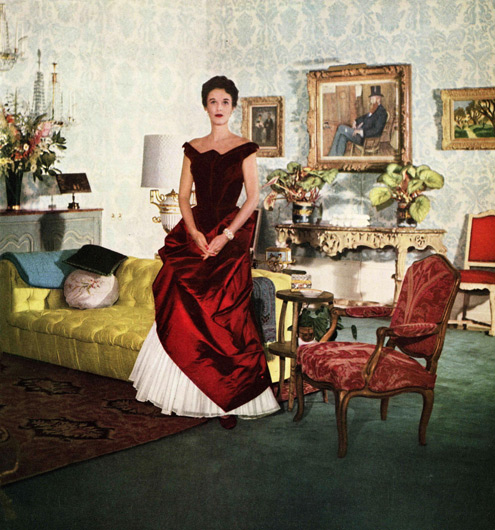
Babe Paley in Charles James' gown 1950, copyright Conde Nast. Image courtesy of the Metropolitan Museum of Art

Babe Paley in Charles James’ gown 1950, copyright Conde Nast. Image courtesy of the Metropolitan Museum of Art

“If you wear a down jacket, if you’ve ever had a wrap dress, or the strapless gown—all of those things were innovations by James, perhaps the only, and certainly the greatest, couturier that worked in New York City,” Koda said. “He was an artist who happened to be working in fashion as his medium.”

The Met Museum exhibit actually takes up three gallery spaces.

Charles James Butterfly Ball gown, Black Evening dress and Black Taxi dress images courtesy of the Metropolitan Museum of Art

Charles James’ Butterfly Ball gown, Black Evening dress and Black Taxi dress images courtesy of the Metropolitan Museum of Art

In the main Costume Institute gallery, located on the museum’s lower level, visitors can study a profusion of coats, day dresses, and cocktail dresses. Large wall projections scattered throughout this gallery show extreme close-up shots of some of the fabrics used and of different sections of some of the garments on display.

An adjacent, smaller gallery—the Carl and Iris Barrel Apfel Gallery—includes photographs, intricate notes by the designer, sketches, hats James created for his collections, and some of James’ signature dress forms which he created to revolutionize that element in construction of his garments.

Those items alone would be enough for an exceptional exhibit.

Images clockwise: Nancy James in Swan gown 1955, Charles James' Butterfly gown 1954, and Charles James' model photographed by Cecil Beaton 1948. Images courtesy of the Metropolitan Museum of Art

Images clockwise: Nancy James in Swan gown 1955, Charles James’ Butterfly gown 1954, and Charles James’ model photographed by Cecil Beaton 1948. Images courtesy of the Metropolitan Museum of Art

But a separate display of 15 gowns in the new Lizzie and Jonathan Tisch Gallery on the museum’s main level truly make seeing “Charles James: Beyond Fashion” a true visual experience.

“As you move past, we have introduced an analytical component: monitors and robotic arms devised by (exhibition designers) Diller, Scofidio and Renfro—tracing out details of the garment, balancing the romance with all of the science that went into creating that effect,” Koda said.

The Tisch Gallery presents each gown in its own individual spotlight with a computerized robot arm tracing over each detail of an individual gown. As the arm moves over different sections of a gown, observers can see close-ups of the fabric used and watch an animated graphic of the fabric, as it is cut it into shapes. A succession of animated graphics then show the understructure’s construction, the shapes being sewn together and, finally, the fabric being draped to create the final garment.

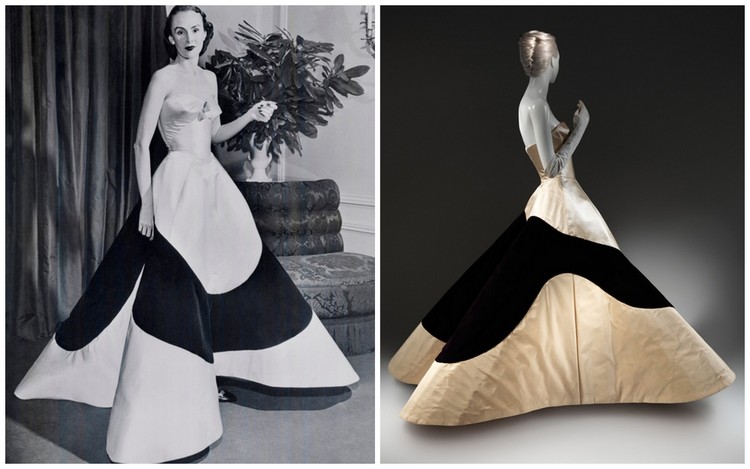
Jan Reeder, co-curator for the James exhibit, said the Tisch Gallery gowns are actually divided into four sections, each showing a different technique that James employed. Some of his gowns were named based on a particular shape or inspiration, such as his Swan gown, the Tree, and the Clover Leaf ball gown.

“He was very influenced by late Victorian bustle dresses, and the ‘Swan’ gown is a wonderful example,” Reeder said in the pre-recorded press interview. “James’s iteration, though, is a very light gown that he created with chiffon and beautiful transparent tulle. The ‘Umbrella’ dress is the first dress that he created using a real understructure, and one of the very first strapless gowns.

Austine Hearst circa 1953 in Charles James' Cloverleaf gown. Images courtesy of the Metropolitan Museum of Art

Austine Hearst circa 1953 in Charles James’ Cloverleaf gown. Images courtesy of the Metropolitan Museum of Art

“The ‘Clover Leaf’ ball gown incorporates his wonderful artistry as a sculptor and as a romanticist with the rigor of his understanding of engineering cut, and construction in a way that made it wearable.” And if you look closely, you’ll see more of James’s sayings on the Tisch Gallery’s walls.

“[James] was someone who was, throughout his career, evolving in his ideas about construction, but never deviated from the fact that he felt that the artifice of fashion could, in fact, improve the human body,” Koda said. “If there was anything that worked against him as a business person, it’s that he saw his design output as artistic creation, rather than something for commercial benefit. His whole methodology, his whole career, was dedicated to an artistic practice. He was a sculptor in cloth.”

—Karyn D. Collins


Project Runway Season 13: Fuss and Muss or Creative Brilliance?

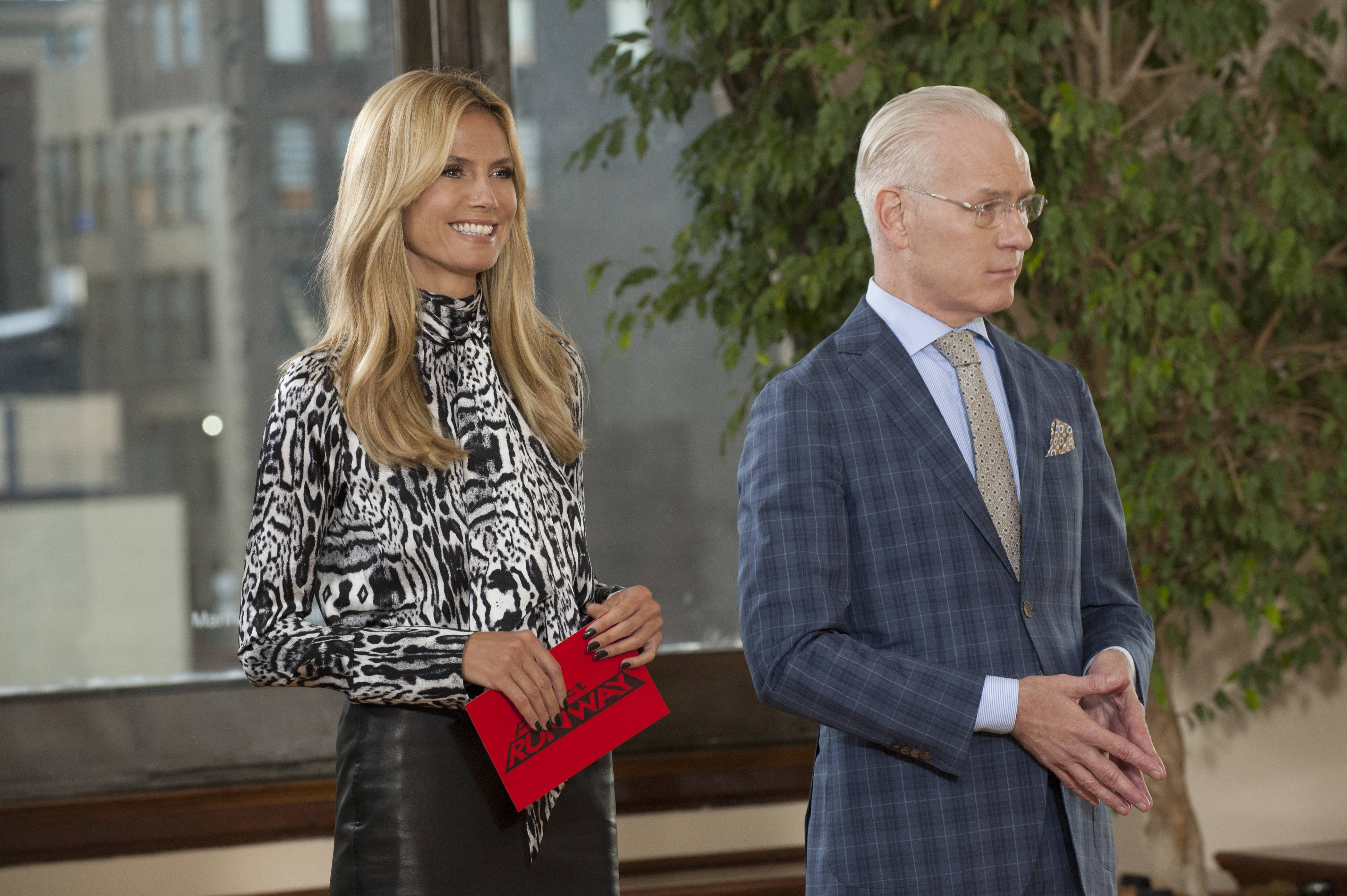
projectrunway13heidiandtim_redoneSeason 13 of “Project Runway” debuts tonight on Lifetime at 9 p.m. ET, providing fashion fans with another round of debates about who’s in, who’s out, and should we care.

While it’s still up in the air which one of this new crop of designers will join the list of past winners, long-time observers know it’s anyone’s guess which of these designers will be able to parlay their exposure on national television into some modicum of success in the fashion world. Those who have crossed that bar include names like Christian Siriano, Chloe Dao, Malan Breton, bridal designer Austin Scarlett, and Emilio Sosa, who has found success designing for Broadway.

projectrunway13judgespanel_redoneWhile not much is known about this new season, here are some things we do know:

  • Tim Gunn will be back in his customary role as an adviser to the designers and a voice of reason and background information for the judges. He will also have his one-time save power again.
  • The regular judging panel will feature Nina Garcia, Zac Posen, and Heidi Klum. Expect a stream of fashion and pop culture figures to filter in as guest judges.
  • While there will always be the usual “Project Runway” surprises and gimmicks, one gimmick—last season’s disastrous team format—appears to be history. Expect the team challenge to only be for one week, not the entire season.
  • There is one designer—Amanda Valentine from Season 11—who was selected by fans to return for a second try.
  • The premiere episode, which aired Thursday, actually featured 18 designers but only 15 actually made the cut to compete for the season.
  • Lifetime also has scheduled an odd show called “Undone” which billed itself as an after-show for “Project Runway” but seemed to be a wan imitation of Bravo’s “Watch What Happens Live.” (The commercials for “B.O.R.N. To Style” on the new fyi network were much more entertaining; that’s a show worth watching, folks).
"Project Runway" Season 13 contestant Mitchell Perry

“Project Runway” Season 13 contestant Mitchell Perry

So what’s all the fuss about anyway?

For one thing, despite the naysayers who point out—correctly—that the show has yet to produce a Michael Kors or Marc-Jacobs–level fashion superstar, “Project Runway” does give previously unknown designers exposure to an international audience. Presumably, the finalists will, as in past years, get to show a line in September during Mercedes-Benz Fashion Week, for additional exposure.

"Project Runway" Season 13 contestant Kristine Guico

“Project Runway” Season 13 contestant Kristine Guico

And the official prizes are considerable including:

  • $100,000 from Red Robin to launch a business (okay, after business, that’s not a lot, but it’s enough to maybe purchase some materials or go on a great trip for inspiration)
  • The opportunity to design a fashion accessory for all the Red Robin servers
  • A complete sewing and crafting studio from Brother International Corporation
  • A fashion spread in Marie Claire magazine
  • A brand new Lexus
  • A year’s worth of beauty products for their fashion shows from Mary Kay
  • Travel and hotel freebies from Best Western International
"Project Runway" Season 13 contestant Korina Emmerich

“Project Runway” Season 13 contestant Korina Emmerich. Images courtesy of Lifetime Entertainment

The Project Runway Season 13 designers are:

  • Alexander Knox, 22 – Hometown: Chicago, IL; Resides in Chicago, IL
  • Angela Sum, 32 – Hometown: Toronto, Canada; Resides in Los Angeles, CA
  • Carrie Sleutskaya, 24 – Hometown: San Diego, CA; Resides in Los Angeles, CA
  • Char Glover, 37 – Hometown: Detroit, MI; Resides in Detroit, MI
  • Emily Payne, 40 – Hometown: Temple, TX; Resides in San Francisco, CA
  • Emmanuel Tobias, 29 – Hometown: Dallas, TX; Resides in Dallas, TX
  • fäde zu grau, 45 – Hometown: Coral Gables, FL; Resides in Coral Gables, FL
  • Hernan Lander, 33 – Hometown: San Francisco De Macoris, Dominican Republic; Resides in New York, NY
  • Jefferson Musanda, 25 – Hometown: Lynn, MA; Resides in Brooklyn, NY
  • Kiniokahokula Zamora, 30 – Hometown: Kapolei, HI; Resides in Honolulu, HI
  • Korina Emmerich, 28 – Hometown: Eugene, OR; Resides in Brooklyn, NY
  • Kristine Guico, 26 – Hometown: Naperville, Illinois; Resides in Brooklyn, NY
  • The Mitchell Perry, 25 – Hometown: Jacksonville, FL; Resides in Fort Lauderdale, FL
  • Nzinga Knight, 33 – Hometown: Brooklyn, NY; Resides in Brooklyn, NY
  • Samantha Plasencia, 27 – Hometown: San Antonio, TX; Resides in San Antonio, TX
  • Sandhya Garg, 28 – Hometown: Birmingham, AL; Resides in Birmingham, AL
  • Sean Kelly, 25– Hometown: Wellington, New Zealand; Resides in Brooklyn, NY
  • Tim Navarro, 32 – Hometown: Rochester, MN; Resides in Minneapolis, MN
  • Runway Redemption Contestant – TBA

—Karyn D. Collins


A Fashion Reverie Exclusive: Fashion Illustrator Robert Richards

orig_tn_photo-46533-848668Robert Richards is …

One word can’t describe one individual, because people live to tell many stories. Robert Richards is known as an illustrator, to try and summarize his profession, but Robert’s magnetic character and innate wisdom express more than just that one word, illustrator.

Louboutin ShoeRobert Richards recently curated a show of sexy erotic illustrations from gay mags from 1950 to 1990 at the Leslie Lohman Museum, America’s only gay museum, brilliantly entitled Stroke: From Under the Mattress to the Museum Walls. One rainy weekday Robert invited me into his fascinating New York City Soho apartment, decorated with works of art, hundreds of books and mounds of fashion magazines, to discuss music and its influence on fashion, culture and the nitty-gritty in between. Afterwards, we traveled uptown to Below 54, the redesign of the infamous Studio 54 and in a NYC basement our conversation was reactivated by Broadway star Vivian Reed, another magnetic example of music, NYC fashion history and legendary attitude.
Fashion Reverie: Well, let’s jump right into it! Why is music so important to people?

Robert Richards: Well, to start with a cliché—music does soothe the savage beast. But, also fires up the savage beast. For women soothing the beast is probably better. For men firing up the beast is more accepted.

FR: More accepted. Hmm. Do you think someone like Justin Beiber fires up his beast as a musician?

Robert Richards:  No, I think he is playing up to girls who don’t know what the beast is just yet. Beiber is a product.

Images courtesy of Robert Richards

Images courtesy of Robert Richards

FR: Let’s talk about products in music.

Robert Richards:  Well, I think probably the most outstanding product out now is Lana del Rey. Who seems to be the girl of the moment—who also seems to be well glued together with other pieces of other times, other looks, other sounds.

FR: So Lana del Rey is manufactured from the (build-a-star) factory and has a good gig going on for the next 2 to 3 years?

Robert Richards:  What could probably save her is that if people perceive her work as adult.

FR: OK, so her fan base grows with her and then the “idea” of her reputation precedes her?

Robert Richards:  When she first came out, she was heavily derided. She was a joke. Now it’s not a joke.  However, if she’s not perceived as dealing with silliness and childhood crushes—if she is perceived as a woman—and her emotions are perceived as being those of a woman, she will have a longer career.

FR: I can see that. The emotion of her music is more mature, even though it can be deathly and depressing as hell at times.

Robert Richards:  Yes, every woman is about to die; she is still a product.

FR: I think the brilliance of her marketing is that they have psyched everyone into thinking that she is Not a Product. When she is similar to the promotion of the trucker cap in 2004. It’s the resale of Middle American luxe.

Robert Richards:  Now, there is an interesting concept.

Illustration of Suzanne Bartsch in kimono

Illustration of Suzanne Bartsch in kimono

FR: It’s amazing if you keep feeding the masses, eventually they do overeat.

Robert Richards:  Well, I hate to disappoint the masses even Donatella, but Lady Gaga has no connection to fashion, other than being the face of Versace this year.

FR: Wow! Lady Gaga! She did outrageous fashion this year, but nobody paid attention. What’s the next gimmick?

Robert Richards: A Peter Pan collar, capri pants and ballet flats.

FR: What was your initial introduction into fashion? Was it through music, art, and family?

Robert Richards:  I was always into fashion. I always had an inclination towards style. I lived in Maine in a desolate place, and all I wanted was Vogue. So I don’t know where it comes from. Genetics? Maybe the nurse pulled me out of the womb and had on red lipstick.  I know I always wanted nice clothes, and they weren’t always available. Times back then were very tough. I grew up in a factory town. My mother always knew if you have a pair of grey slacks and a little navy blue jacket, that you’re OK, but of course I wanted a pink one!

FR: We should’ve known!

Robert Richards:  Fashion was always something I wanted to be fun. It wasn’t about dressing anyone. I liked the satisfaction of creating something fun, artistic on myself.

Robert Richard’s illustration of Lena Horne

FR: Did the discovery of your own personal style lead you to realize you were an artist?

Robert Richards:  Yes, but music was also such a major influence just as much as visual art. Music helped me to develop an interest in the arts, because if you were interested in one art you are mostly interested in all of them. If you like music you will like theater, you like to go to the movies and so on. One thing has to inspire you and then it opens up the world to you.

FR: So music was a window? Hearing a song is like taking a journey.

Robert Richards:  Music helped me to see other possibilities. I wasn’t necessarily living in a cultural whirlpool in Maine. I was from the ghetto; I didn’t speak English until I was about 7 years old. I spoke “Canadian” French.  It was hideous. Then one day a neighbor’s son invited me over and he played Sarah Vaughn’s “Black Coffee” and I thought, “wow, I am sure people told her she shouldn’t do this.”

FR: Why? Was Black Coffee too sultry?

Robert Richards:  Yes, and before I had never heard anything like that, so that became my inspiration.

FR: Did you ever get a chance to meet Sarah Vaughn?

RR: We became good friends. Once I became interested in her I discovered she had a body of work. I would hitchhike into town to purchase her records for 89 cents and hitchhike back just in time for dinner.

When I first came to NYC I read that she was going to be at the Rainbow Grill. (Live shows happened in those days.) My friend and I went to see her. After the show was over, my friend and I sat at the bar. I had also bought her flowers. When I purchased the flowers they asked if I wanted to write a note and I thought No, because she will not know it’s from me. Well later, after the show while we were seated at the bar to relive what we had just experienced and Sarah walked in and over to me and said, “Did you send me flowers?”  I said, “Yes.” She asked, “Why didn’t you put your name?” I said, “Well, I thought you won’t know my name,” and she said, “You know what, that’s true!”

FR: Wow! How did she know it was you?

RR: Afterwards, she invited me to her table and we became friends. We were friends for 27 yrs until the day she died.

FR: I want to talk about Abbey Lincoln, because you’ve introduced me to her and she is such an inspiration. She is an amazing poet, and I love the strength of her Black Power style.

Robert Richards:  Yes I have so much more Abbey Lincoln to share with you. Abbey was pre-Black Panther Party, because she was freedom Now!!

151FR: I love that era of fashion going into the 70’s.  So Abbey’s early sixties? What was going on Uptown in Harlem at this time in relationship to the Beatniks in the Greenwich Village? Were you there? Were people mixing?

Robert Richards:  There was enormous rebellion in the air. White people emotionally were very constricted at this time. There were few choices and a lot of privilege.

So, jazz clubs had to mix, because the music was black. When you began to mix it offered more choices. Also, Black men were the first men beyond Louis XIV to understand the “peacock.” Black Men always understood the power of clothes and dressing up. Even as despicable as it is, the pimp culture of that time had a definite style. It was a style and you would adhere to it. No pimp went around town in a Brooks Brothers suit. Black women in the era were much more connected to allure than white women. White women were very frozen. Black women were giving body; they were giving curves.

I just curated a fashion illustration show at the Leslie Lohman gallery in Soho. Many people gravitated towards the works of artist Antonio Lopez who was the first fashion illustrator to blend black models into high fashion.  He drew Yves Saint Laurent on black girls and those black models did not have Babe Paley’s little body; they had curvaceous bodies. During the Stroke show, I was at the gallery as much as possible; I had something to say and wanted to be there to say it. I had a lot of tour groups and visitors come in, many diverse, swirly groups and immediately all of the black kids would gravitate towards Antonio Lopez, they understood the message and it didn’t have to be spoken. They got it. The art is for and about them.

FR: What is your favorite fashion decade?

RR: The 70’s!  Platform shoes, color, Vidal Sassoon, Afros, fond memories of sketching fashion couture from the runway in Paris and Rome and Western Union; the sketches back to the US papers at night.

RICHARDS by Glen Hanson

RICHARDS by Glen Hanson

FR: Oh the freedom, they shut that down, and brought us into the 80’s with Jeri curls; how wack!

Robert Richards: Nothing is worse than having to reactivate!


—Kelly L. Mills

Copyright © 2012-2025 | Fashion Reverie Publications, LLC - All Rights Reserved